Imagine transforming your backyard into a magical haven where kids can explore, play, and create unforgettable memories. Backyard play area ideas are incredibly popular because they turn outdoor spaces into fun-filled retreats that encourage imagination, physical activity, and family bonding.
In this article, you’ll discover a variety of exciting ideas to personalize your backyard, from whimsical playhouses to adventurous obstacle courses. Whether you have a small yard or a sprawling garden, these ideas will inspire you to craft a safe and entertaining environment tailored to your child’s interests and your outdoor space.
1. DIY Treehouse Retreat with Cozy Rope Ladder
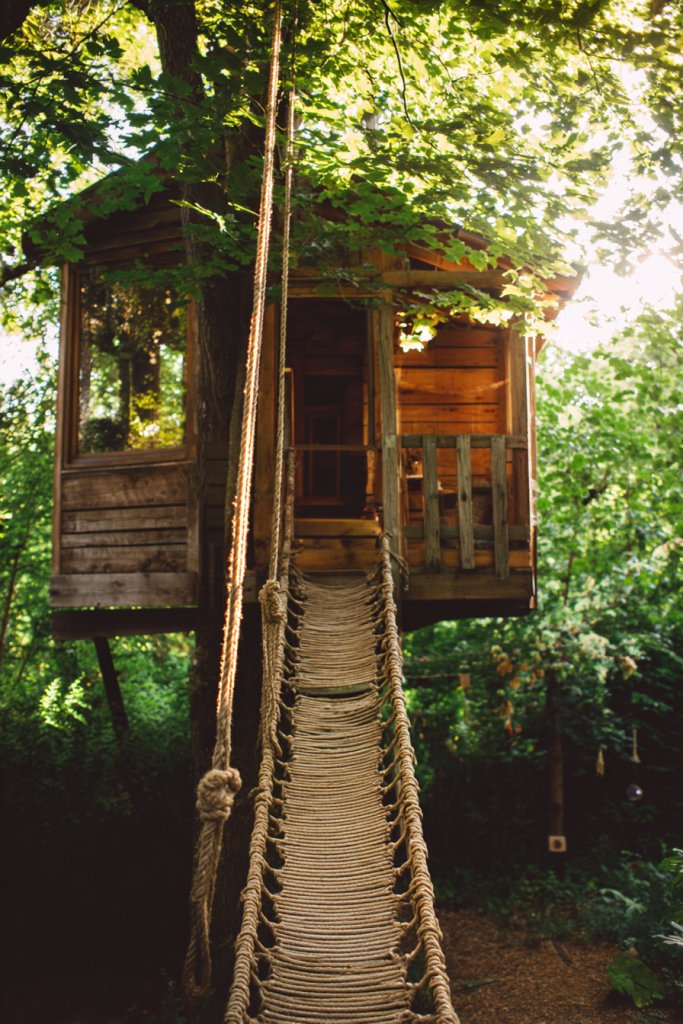
Kids often dream of having their own secret hideaway where they can escape, imagine, and play freely. Parents want to foster creativity and outdoor movement without constant supervision. Building a cozy treehouse taps into that childhood fantasy while adding a sense of adventure right in your backyard. It’s a solution for kids craving independence and a special retreat to call their own.
Imagine a charming little wooden house nestled among leafy branches, with a sturdy rope ladder swinging invitingly. The structure is crafted from reclaimed wood, giving it a rustic, authentic feel. Small windows let in dappled sunlight, and a tiny balcony offers a vantage point for spying on the yard below. Soft cushions or a colorful blanket peek through the open door, making it look like a cozy secret spot for endless stories.
You can customize the treehouse with themes like fairy-tale castles or jungle forts, depending on your kid’s interests. Seasonal touches, like string lights or weather-resistant fabric curtains, make it inviting year-round. If space is tight, consider a compact design with a single room or a multi-level setup for extra fun. Use vibrant paint or natural finishes to match your backyard’s style.
Start by choosing a sturdy, healthy tree with strong branches that can support the structure. Gather reclaimed wood, weatherproof screws, and safety rails. Use a ladder or scaffolding for assembly, following safety guidelines. Secure the frame properly to prevent wobbling, and add a soft ground cover underneath like mulch or rubber mats for safety. Regular inspections ensure stability over time. If DIY feels overwhelming, professional help can make the project smoother.
Decorate with a hanging flag of your child’s favorite colors or a personalized nameplate. Add a chalkboard panel outside for drawing or notes. Incorporate a small outdoor shelf for books and toys, or install a pulley system for easy access to snacks or supplies. Change accessories seasonally to keep the space fresh and exciting. Personal touches turn this treehouse into a true reflection of your kid’s personality.
Creating a treehouse encourages outdoor play, problem-solving, and independence. It becomes a magical retreat that boosts imagination and confidence. Plus, it’s a proud project for parents and kids to share, fostering teamwork. Once built, it’s a lasting gift of adventure and joy that grows with your child. Ready to turn that backyard tree into a childhood paradise?
2. Colorful Swing Set with Modern Design
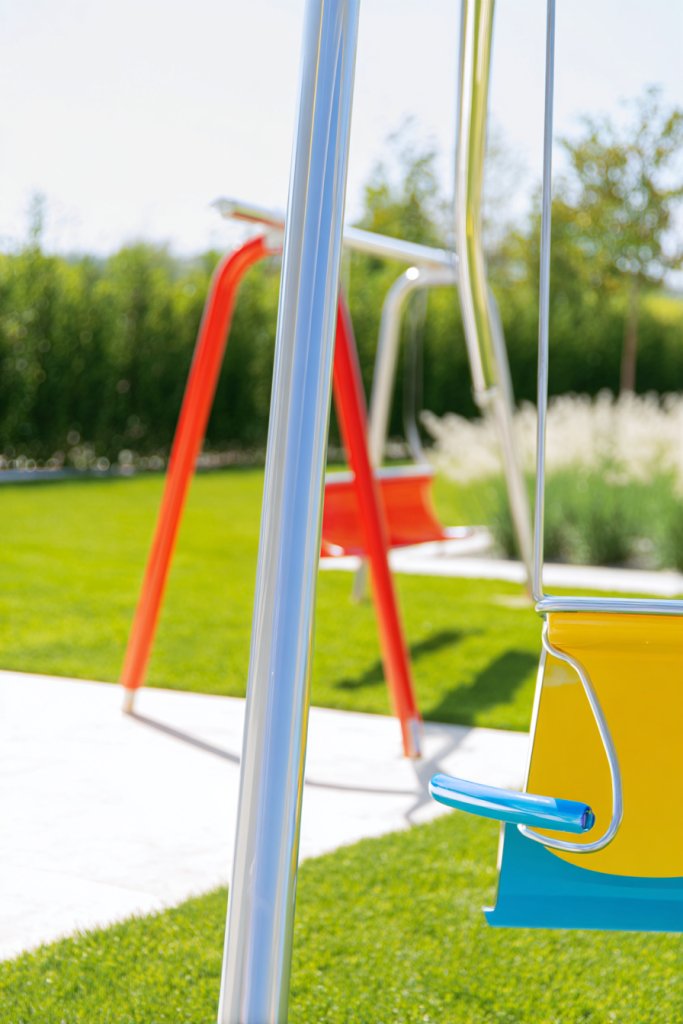
Kids love swinging—it’s a classic for a reason. But many swing sets look bulky or outdated, not matching your sleek backyard aesthetic. Parents want something fun yet stylish, durable, and safe. A modern, colorful swing set promises all that, blending playful energy with contemporary design. It’s about creating a lively space that appeals to both kids and adults.
Picture a streamlined metal frame painted in vibrant hues like turquoise, coral, and lime green. Multiple swings hang from sturdy, weather-resistant ropes, with a bright red slide offering quick access to fun. The set is positioned on a soft, cushioned surface—think rubber tiles or synthetic turf—adding safety without sacrificing style. Kids giggle as they sway and slide, surrounded by a cheerful splash of color that energizes the yard.
Choose a color palette that matches your outdoor decor or your child’s personality. For smaller yards, opt for a compact design with just a couple of swings and a slide. In larger spaces, consider adding a climbing wall or a trapeze bar for extra variety. Seasonal accessories like weatherproof cushions or decorative flags can give it a fresh look throughout the year.
Start by selecting a sturdy, level spot with ample clearance. Choose a set with high-quality, rust-resistant materials for longevity. Prepare a safety surface underneath—rubber mulch, foam tiles, or artificial grass—all of which absorb impact and prevent injuries. Follow assembly instructions carefully, tightening all bolts and checking for wobble. Regular maintenance involves checking for loose parts and cleaning to keep it looking vibrant. For DIY enthusiasts, many kits come with straightforward instructions, but professional setup can save time.
Personalize with custom name plaques or themed accessories like pirate flags or fairy banners. Add a climbing net or a rope ladder for more challenge. Use colorful outdoor banners or banners made from weatherproof fabric to add a festive touch. Incorporate a small picnic table nearby for snacks and socializing, making the whole area a play hub.
A modern swing set encourages active play and social interaction, boosting confidence and coordination. Its sleek design complements a contemporary yard, making your outdoor space look intentional and stylish. Watching your kids swing high and slide down with joy reminds us that playful moments build lasting memories. It’s more than just equipment; it’s a centerpiece for family fun and outdoor bonding.
3. Miniature Nature Trail with Stepping Stones
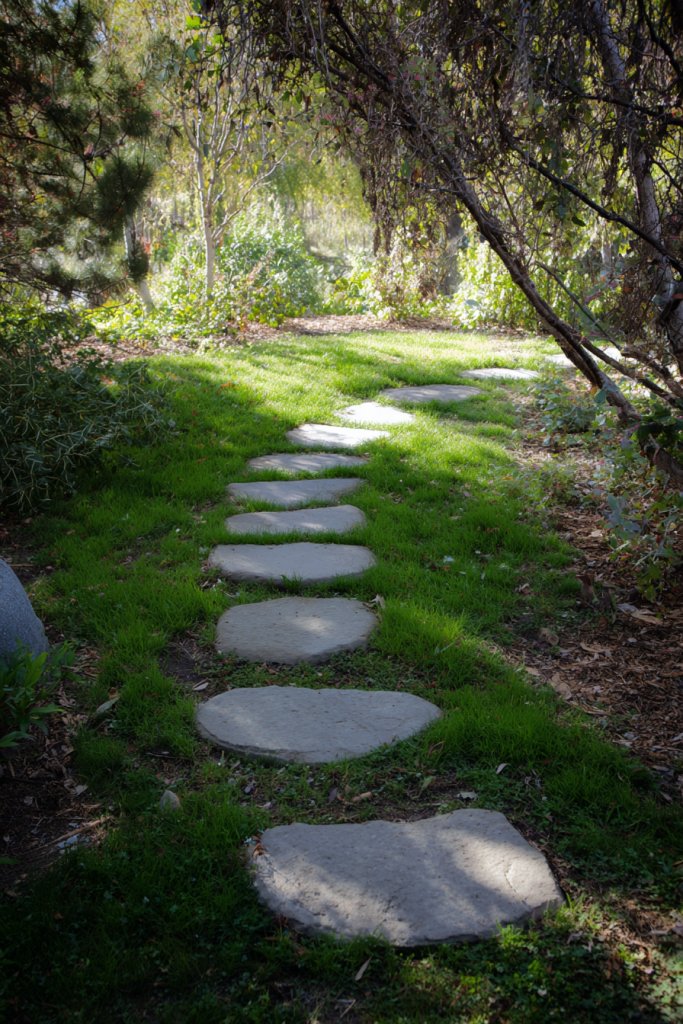
Kids need to explore and connect with nature, but typical backyard spaces don’t always encourage that curiosity. A miniature nature trail offers an inviting way to walk, discover, and learn about the outdoors without leaving home. Parents want to nurture exploration skills and outdoor appreciation, all while keeping kids active. This idea makes nature accessible and fun right in your backyard.
Imagine a winding path made from decorative, uneven stepping stones nestled among native grasses and wildflowers. Tiny wooden bridges span over miniature creek beds, and small sculptures or fairy figurines hide along the route. The trail is bordered by textured bark mulch or soft gravel, inviting tiny feet to explore at their own pace. Birds chirp from nearby trees, completing the sensory experience of a mini outdoor adventure.
Design the trail to fit your yard’s shape and size, adding loops or dead-ends for more discovery. Use natural materials like river rocks or recycled concrete for stepping stones, or opt for colorful mosaic tiles for a playful twist. Add themed areas, such as a bug habitat or a tiny vegetable patch, to extend educational value. Seasonal elements like leaf piles or mini snow paths can transform the trail for different times of year.
Begin by sketching your trail route, considering safe distances and natural features. Gather materials—stepping stones, small wooden planks, and border materials. Level the ground and secure each stone with gravel or sand to prevent shifting. Incorporate gentle slopes or ramps for accessibility, and ensure the path is wide enough for children and walking aids. Regular maintenance involves clearing debris and replacing stones or mulch as needed. Enhance safety by adding soft ground cover around high-traffic areas.
Decorate the trail with painted stones or engraved signs indicating fun facts about plants or insects. Incorporate sensory stations with fragrant herbs or textured plants (avoiding restricted greenery). Use colorful flags or painted rocks to mark different sections, making the trail visually engaging. Create a small observation station with binoculars or a magnifying glass for close-up discoveries.
A nature trail encourages outdoor exploration and hands-on learning, fostering curiosity and independence. Kids develop observational skills and a sense of responsibility for caring for their mini-ecosystem. It becomes a go-to spot for family adventures and quiet reflection. Building such a trail shows kids that nature is an integral part of everyday life, inspiring lifelong appreciation.
4. Vibrant Sandbox with Built-in Seating
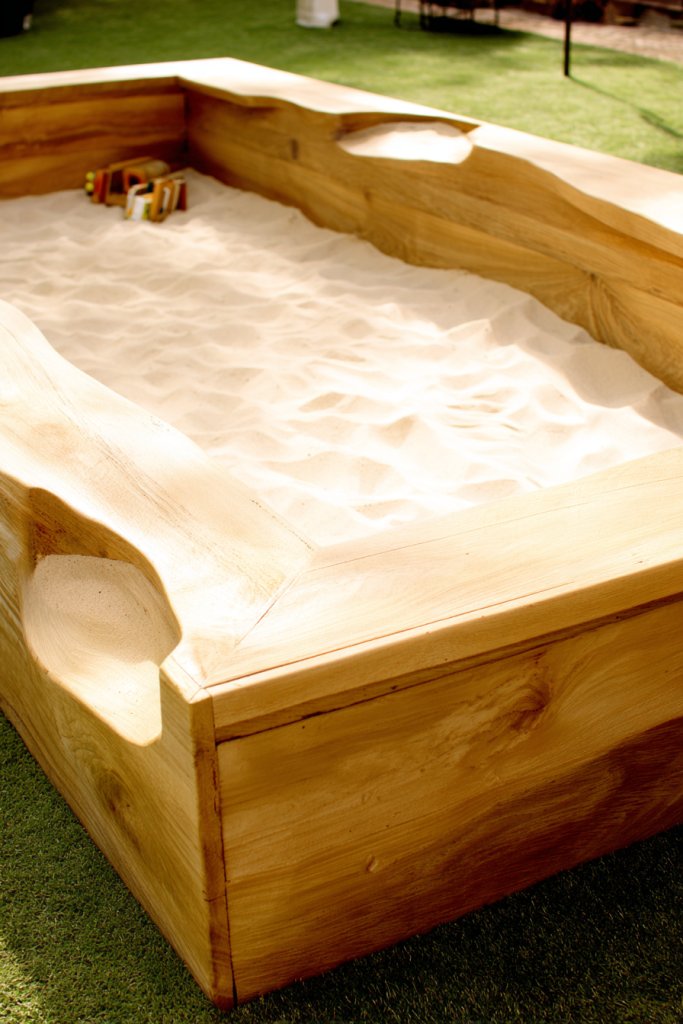
Sandboxes are timeless, but many feel dull or messy, making cleanup a chore. Kids love molding, digging, and building, so a well-designed sandbox can turn outdoor play into a creative haven. Parents want a durable, easy-to-maintain option that encourages imaginative play without chaos. A vibrant, integrated sandbox promises all that while adding a splash of color to the yard.
Envision a large, rectangular sandbox painted in bright yellow with smooth, rounded edges. It features built-in bench seating along two sides, made from weatherproof wood or composite materials. The interior is filled with fine, soft sand perfect for sculpting, with colorful buckets and molds nearby. Surrounding it is a durable safety surface, and playful patterns or decals adorn the sides, making it inviting and cheerful.
Choose colors that match or complement your backyard palette, like ocean blue or jungle green. For smaller yards, opt for a compact or corner design to maximize space. Incorporate storage compartments underneath the seating for toys and tools. Seasonal covers keep the sand clean and dry, and adding a canopy or shade sail provides relief from the sun.
Start by selecting a flat, well-drained area. Construct a sturdy frame from treated wood or recycled plastic, ensuring smooth, rounded corners for safety. Fill with high-quality, sifted sand, and secure the seating panels to the frame. Install a weatherproof cover or canopy to protect from debris and weather. Regularly rake and sift the sand to maintain freshness, and check for loose or broken parts periodically. Use bright, non-toxic paints or decals for visual appeal.
Add personalized touches like painted initials or themed decals. Incorporate a small water feature or sensory elements nearby to extend play options. Use colorful storage bins or baskets for organizing toys. Seasonal decor like flags or themed mats can keep the space lively and aligned with holidays or seasons.
A vibrant sandbox sparks creativity and fine motor skills, boosting confidence as kids create their masterpieces. It becomes a gathering spot for friends, encouraging social skills and sharing. Parents love its durability and low maintenance, making outdoor play stress-free. Watching your child sculpt and build with joy reminds us that simple pleasures foster big imaginations.
5. Pergola-Shaded Play Zone with Hanging Hammocks
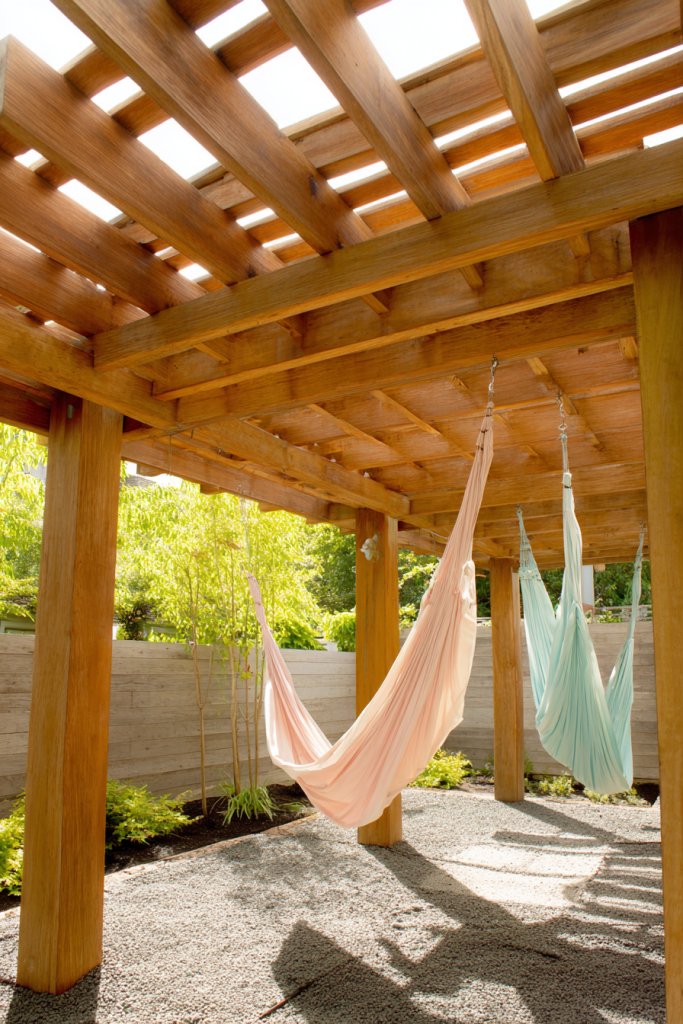
Hot summer days can make outdoor play uncomfortable and even unsafe. Parents seek shaded zones that keep kids cool and protected from sunburn while still being fun. A pergola with hanging hammocks creates a stylish, relaxing retreat that invites calm and playfulness simultaneously. It’s the perfect balance of function and aesthetic appeal.
Imagine a sleek wooden pergola with climbing vines or fabric curtains that sway gently in the breeze. Underneath, colorful hammocks or swings hang from sturdy beams, inviting kids to sway and relax. The ground is covered with soft, natural-looking mulch or grass, adding comfort and safety. String lights or lanterns hang overhead, casting a warm glow for evening fun, turning the space into a cozy outdoor nook.
Choose a pergola style that matches your backyard—modern with clean lines or rustic with distressed wood. Add weatherproof curtains or shade sails for added sun protection. Use vibrant hammock fabrics or neutral tones to suit your decor. For smaller spaces, opt for a compact pergola with a single swing or hammock, while larger yards can accommodate multiple relaxing zones.
Start by selecting a level, sturdy surface, and anchoring the pergola securely into the ground. Use weather-resistant wood or metal for durability. Hang the hammocks or swings with heavy-duty hooks, ensuring they are properly secured and can support active kids. Add a soft ground cover underneath for safety, and install outdoor lighting for ambiance. Regularly check hardware for stability, and clean fabric elements seasonally.
Personalize the space with colorful cushions or decorative pillows on the hammocks. Incorporate outdoor-safe fabrics with patterns or textures your kids love. Hang personalized name tags or banners from the beams for a custom touch. Add small side tables or storage chests nearby for outdoor toys and accessories.
A shaded play zone encourages restful play and relaxation, reducing outdoor heat worries. It becomes a favorite spot for reading, napping, or chatting with friends. Creating this space shows your kids that outdoor comfort is just as important as play. It’s a cool, calm retreat that boosts outdoor enjoyment and family bonding.
6. Climbing Wall with Safety Features
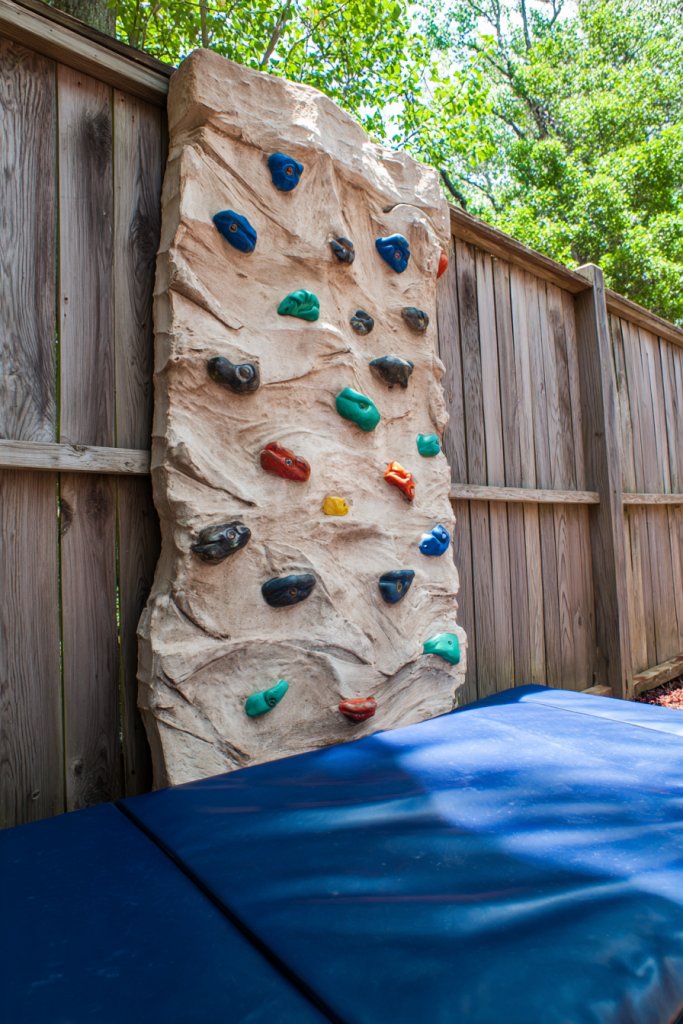
Kids love climbing, but many backyard setups lack safe, structured ways to challenge their strength and coordination. A climbing wall provides a controlled, fun environment for physical activity. Parents want safety features integrated without sacrificing excitement. This idea turns a plain wall into a mini outdoor gym that promotes health and confidence.
Picture a vibrant wall mounted on a sturdy fence or shed, covered with colorful grips arranged in fun patterns. Soft mats or rubber tiles cushion the ground below, ensuring safe landings. Kids grip and pull themselves up, their faces lit with determination and joy. The wall’s bright colors and varied holds make it look like a playful sculpture, inviting kids to challenge themselves.
Adjust the height and complexity based on your child’s age and skill level. Use textured, weatherproof climbing holds in bright colors or natural tones. Incorporate different routes—easy for beginners, more challenging for advanced climbers. For a more natural look, embed holds into a wooden or stone feature, blending with your yard’s design.
Choose a sturdy, flat surface to mount the wall, like a fence or a dedicated climbing panel. Use high-quality, weather-resistant holds and hardware. Install safety mats or poured-in-place rubber underneath to absorb impact. Regularly inspect the holds and hardware for wear, tightening or replacing as needed. Keep the climbing area clear of debris and ensure the ground surface remains even.
Create custom routes with numbered holds or themed patterns, like jungle vines or mountain peaks. Add a chalkboard or a timer to encourage timed challenges and progress tracking. Incorporate decorative elements like flags or themed decals for extra flair. Regularly update routes to keep the challenge fresh and engaging.
A climbing wall builds strength, coordination, and problem-solving skills while boosting self-esteem. Kids learn to set goals and celebrate achievements, fostering independence. It’s a safe space for risk-taking and growth, making outdoor play active and rewarding. Watching your child conquer new heights is a proud moment for any parent.
7. Outdoor Ping Pong or Table Tennis Area
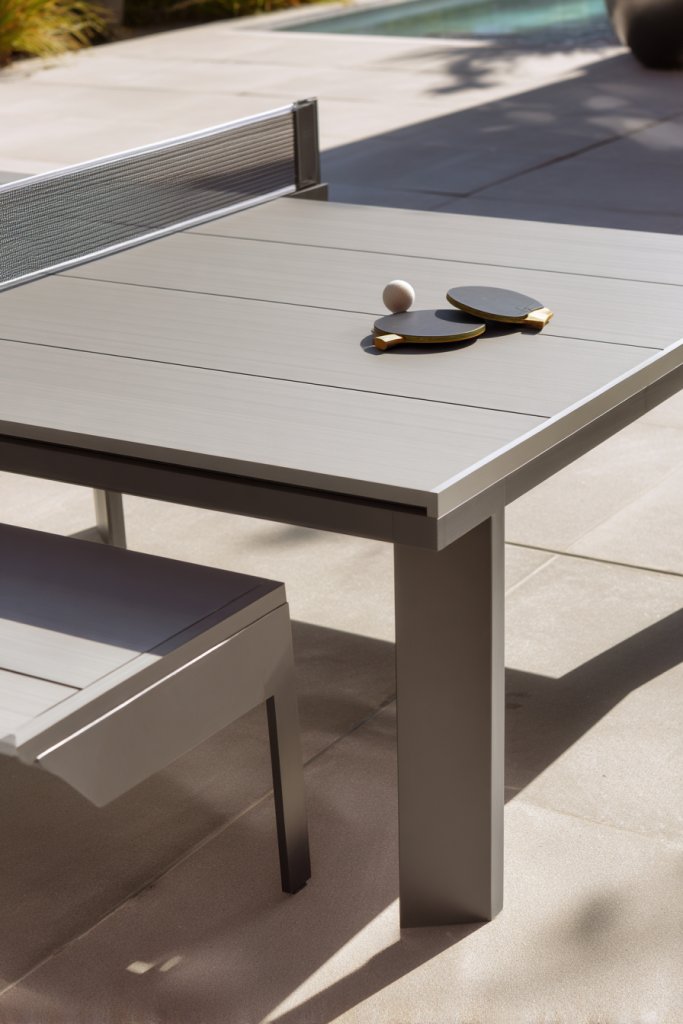
Looking for a fun, competitive activity that the whole family can enjoy? An outdoor ping pong table turns your backyard into a lively game zone. It’s perfect for quick matches, skill-building, and friendly tournaments. Parents want something that encourages active play and social bonding, all while adding a sleek touch to the yard.
Envision a sturdy, weatherproof table set on a level concrete or stone surface. Bright, matching paddles and textured balls invite quick game sessions. The table’s modern design features vibrant colors—perhaps a bold red or electric blue—that pop against the greenery. Surrounding it, a clean, open space allows for easy movement, with a couple of chairs nearby for spectators.
Choose a table that fits your space—compact for smaller yards or full-sized for serious players. Consider models with adjustable height or foldable options for storage. Add a canopy or shade cloth for sun protection during summer play. Personalize with outdoor-friendly accessories like custom paddles or decorative boundary lines.
Select a flat, stable surface and secure the table with anchors or weights if needed. Install on a level ground to prevent wobbling and ensure safety. Keep the surface clean and free of debris to maintain good bounce. Use weatherproof covers when not in use to prolong the table’s life. Regular checks for hardware stability are essential for ongoing safety.
Add custom markings or team logos for a personal touch. Incorporate a small scoreboard or timer for competitive play. Surround the area with decorative elements like string lights or outdoor rugs to create a festive atmosphere. Encourage kids to learn new skills by setting up mini coaching sessions or tutorials.
Playing ping pong boosts hand-eye coordination, agility, and strategic thinking. It promotes friendly rivalry and teamwork, fostering social skills. Setting up a dedicated outdoor game zone encourages regular outdoor activity and reduces screen time. It’s a simple addition with big fun and lasting memories.
8. Multi-Purpose Play Pavilion with Storage
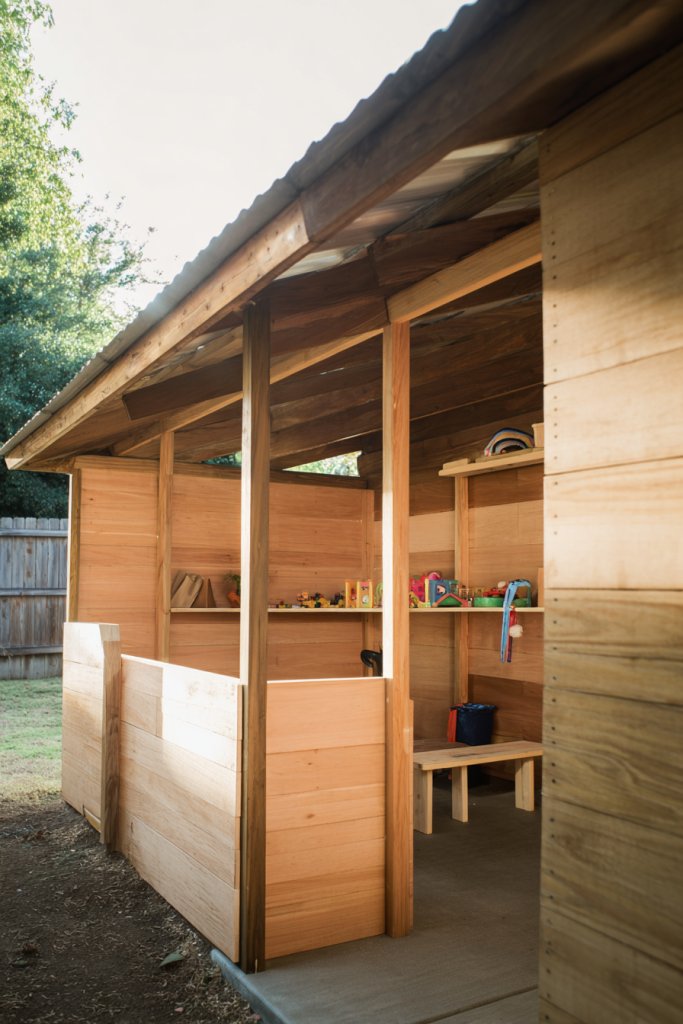
Managing outdoor toys and gear can turn into a clutter nightmare. Parents crave an organized, versatile space where kids can play freely without mess. A multi-purpose pavilion offers shelter, play, and storage all in one compact unit. It’s a smart solution to keep the yard tidy while encouraging outdoor fun.
Picture an open-sided, rustic wooden pavilion with a sturdy roof to shield from rain and sun. Inside, shelves and cubbies hold toys, balls, and outdoor gear, while a cozy corner is set up with a small table and chairs. Kids can gather here for arts, crafts, or snack breaks, protected from the elements. The pavilion’s natural wood finish blends seamlessly with garden surroundings, creating a cozy yet functional hub.
Opt for a sleek, modern design with metal accents or a charming cottage style with decorative trim. Use fold-away or modular furniture to maximize space. Add weatherproof cushions or curtains for extra comfort and privacy. Seasonal accessories like string lights or hanging plant baskets can enhance its appeal without cluttering the play area.
Start by choosing a level, accessible location. Construct the pavilion using durable, weather-resistant materials—pressure-treated wood, metal, or composite panels. Install shelves, hooks, and storage bins for toys and outdoor equipment. Anchor the structure securely to prevent movement or tipping. Regularly inspect for wear and clean to maintain its appearance and functionality. Consider adding a lockable door for security.
Decorate with personalized signs or nameplates. Use colorful cushions, or attach outdoor chalkboards for notes and drawings. Incorporate themed storage bins or baskets for different toy categories. Seasonal touches like banners or flags can keep the space lively and inviting.
A play pavilion helps teach organization and responsibility while providing a dedicated space for creativity. It encourages kids to keep their play area tidy and take pride in their outdoor zone. The versatile space also fosters social skills when friends gather for playdates. It’s a practical, charming addition that turns outdoor clutter into a curated play oasis.
9. Rustic Log Balance Beams for Motor Skills
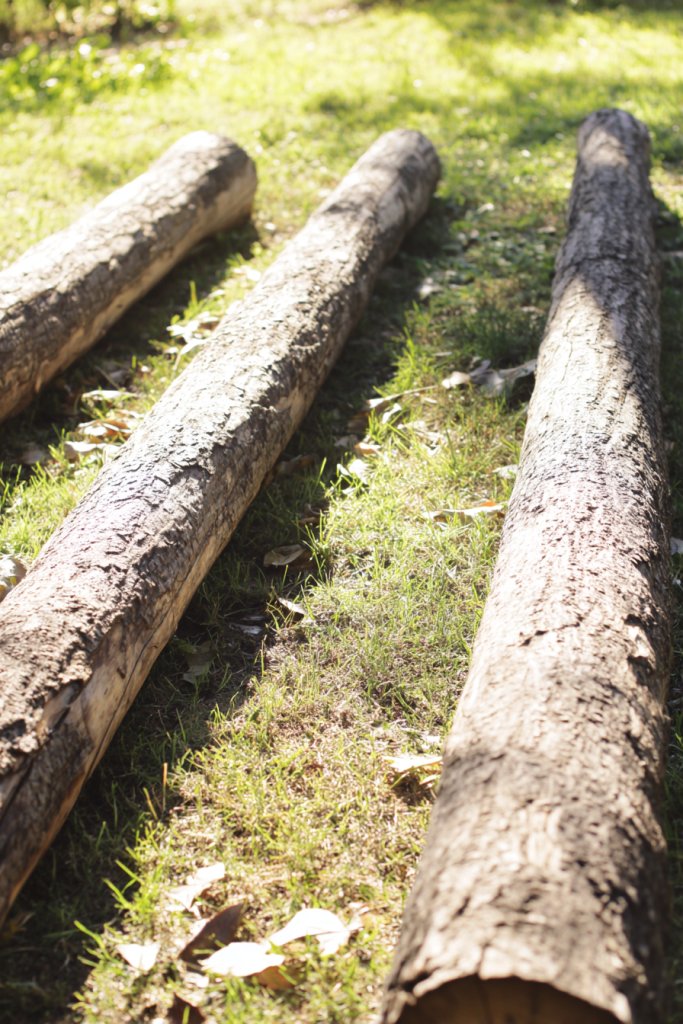
Children need challenges to develop balance, coordination, and confidence. Flat, artificial balance beams can be boring and uninspiring. Rustic log beams offer a natural, tactile experience that excites kids while promoting motor skills. Parents want durable, safe options that blend into the yard’s landscape.
Imagine natural logs, smoothed and leveled, laid out in a staggered pattern across the grass or mulch. Their rough bark and uneven surfaces invite children to test their agility. Small gaps between logs add an element of challenge, while soft mulch underneath cushions falls. Kids tiptoe and hop from log to log, their faces lit with concentration and joy. The natural wood texture complements garden elements, creating an earthy play zone.
Use logs of varying diameters for different difficulty levels. Incorporate a gentle slope or gentle incline for added challenge. For a more polished look, treat logs with non-toxic sealants or paint the ends in bright colors. Combine with other natural elements like stepping stones or small rock formations for a multi-faceted play area.
Select logs that are sturdy, free of rot, and manageable in weight. Prepare the ground by leveling and clearing debris. Lay the logs directly on grass, mulch, or concrete pads, ensuring stability. Secure each log with stakes or weight if necessary—especially on uneven terrain. Regularly check for shifting or rotting, replacing logs as needed. Keep the area clean and free of debris for safety.
Paint the ends of logs in bright, contrasting colors or add fun patterns to make the beams more appealing. Label each log with numbers or words to incorporate learning into play. Add decorative flags or small sculptures nearby to enhance visual interest. Encourage kids to create their own obstacle courses or routines.
Using natural logs for balancing enhances core strength and motor planning. Kids gain confidence as they master new challenges, feeling proud of their improved skills. It’s a low-cost, eco-friendly way to promote outdoor activity and resilience. Watching children navigate uneven surfaces with focus makes outdoor time rewarding for everyone.
10. Fairy Garden Play Corner with Miniature Features
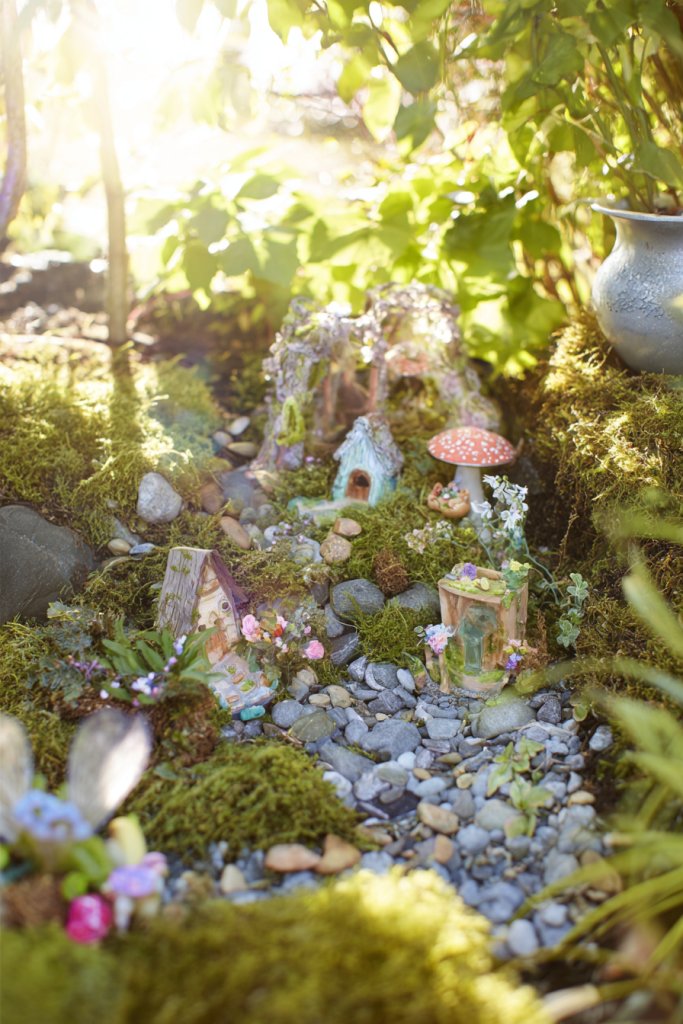
Kids love fairy tales and magical worlds, but creating those in the yard can feel overwhelming. A fairy garden play corner brings whimsy and imagination into your outdoor space effortlessly. Parents seek a charming, low-maintenance area that sparks storytelling and sensory play. It’s a delightful way to inspire creativity without much fuss.
Imagine a tiny corner adorned with miniature fairy houses, made from natural materials like bark and pebbles. Delicate fairy figurines sit beside tiny bridges and decorative stones, creating a scene straight out of a storybook. Soft moss or textured mulch forms the ground, inviting kids to dig and explore. Small, colorful flowers or fungi-inspired ornaments add to the mystical feel, enticing kids to invent stories and adventures.
Choose themes like enchanted forest or seaside fairy realms, customizing decorations accordingly. Use weatherproof miniature furniture or sculpture pieces for durability. Incorporate natural elements like shells, driftwood, or pebbles for authenticity. Seasonal accents such as tiny lanterns or faux snow can extend the magic through the year.
Designate a small, shaded corner with good drainage. Use natural or weatherproof miniature furniture and accessories. Arrange fairy houses and figurines on a base of moss, sand, or textured mulch. Add decorative stones or tiny plants around for realism. Keep the area clean and free of debris, replacing worn elements to maintain its fairy-tale charm. Encourage kids to help set up and refresh the scene.
Personalize fairy houses with painted details or tiny signs. Incorporate small DIY craft elements like painted stones or handmade furniture. Use glow-in-the-dark paint or solar-powered fairy lights for evening enchantment. Let children add their own miniature finds or craft projects to foster ownership.
A fairy garden corner stimulates imaginative play and storytelling, boosting confidence and language skills. It offers a peaceful retreat for quiet observation and creative expression. Building and caring for this tiny world teaches responsibility and nurturing. It’s a magical gift that keeps giving, inspiring endless adventures.
11. Inflatable Bounce House or Castle
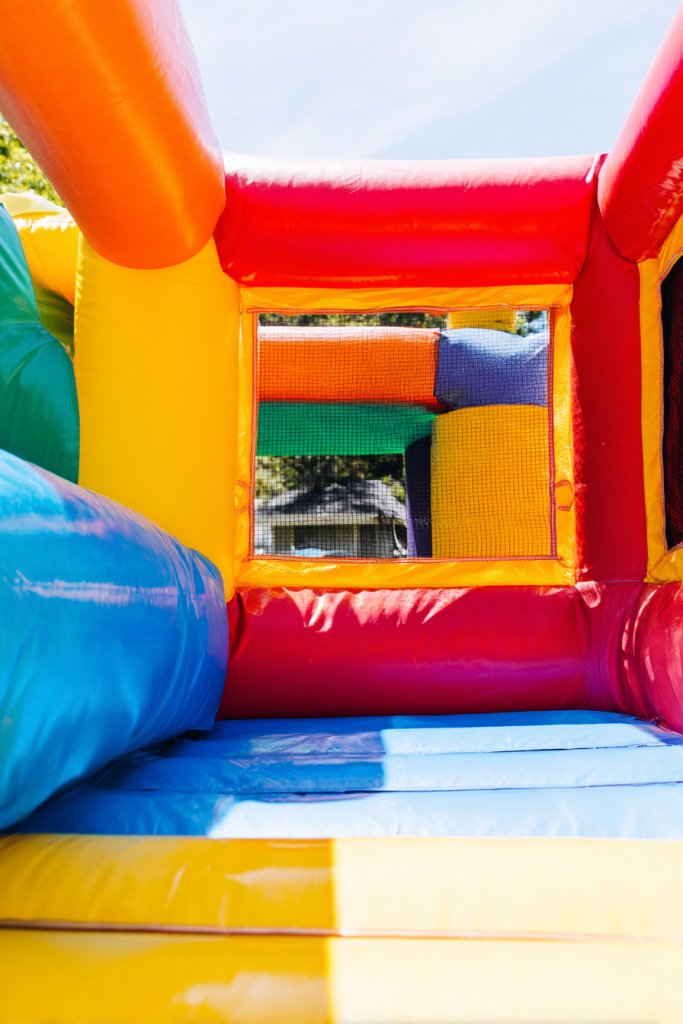
Kids adore bouncing and jumping, but static play structures can get dull or be a hassle to set up. An inflatable bounce house transforms outdoor play into an energetic, giggly extravaganza. Parents want something easy to use that provides hours of active fun while being safe and portable. It’s the ultimate crowd-pleaser for birthdays and weekend playdates.
Imagine a colorful inflatable castle with turrets, flags, and bright rainbow hues, standing tall on the grass. Kids bounce inside, their laughter filling the air as they flip and soar. The soft inflatable surface cushions every jump, making it safe even when they land with a thud. Nearby, a small area for snacks and drinks makes it a mini party zone, with a backdrop of green and playful decorations.
Choose from castle, slide, obstacle course, or themed designs like pirates or princesses. For smaller yards, opt for compact or multi-functional inflatables that deflate easily for storage. Add themed banners or flags to match parties or seasons. Incorporate a blower for quick setup and takedown, and consider additional accessories like ball pits or mini slides.
Select a flat, debris-free area with enough clearance for safe bouncing. Unroll the inflatable and connect the blower, ensuring all seams are sealed properly. Inflate for about 2-3 minutes, then secure with stakes or weight bags to prevent movement. Regularly check for leaks or tears and deflate after use. Clean with mild soap and water, and store in a dry place when not in use. Supervise at all times for safety.
Add themed decals or banners for special occasions. Incorporate colorful toss games or mini obstacle courses alongside for variety. Use outdoor mats or rugs around the inflatable for comfort and safety. Personalize with your child’s name or favorite characters for a special touch that makes it uniquely theirs.
An inflatable bounce house encourages active, outdoor play that builds strength, coordination, and confidence. Kids learn to take turns, follow rules, and enjoy energetic exercise. It’s a fantastic way to promote social skills and healthy habits. Plus, it’s a guaranteed hit for any gathering or weekend escape.
12. DIY Rope Climbing Net over Grass
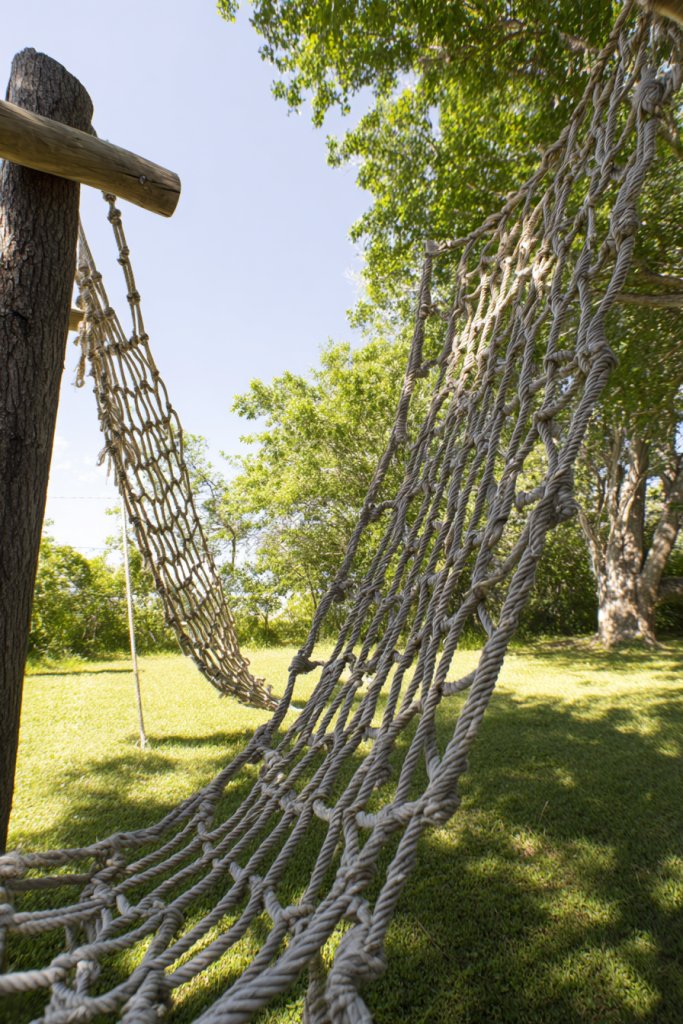
Climbing is a favorite activity for kids, but typical playgrounds lack challenging, safe options at home. A DIY rope climbing net offers a versatile, accessible way to build strength and coordination. Parents want an engaging, safe structure that can be customized to their yard. It’s a simple project that turns ordinary space into an outdoor gym.
Imagine a sturdy rope net stretched between two trees or posts, forming a web of colorful, thick ropes. Kids grip the ropes, pulling themselves up and across, their faces lit with concentration and excitement. The grass beneath provides a soft landing, while the surrounding greenery makes the setup feel natural and inviting. The net’s vibrant ropes add a splash of color against the backdrop of the yard.
Adjust the size and tension of the net according to your child’s age and skill level. Use weather-resistant ropes in bright colors or natural jute for a rustic look. Incorporate additional climbing elements like footholds or a ladder for variety. Secure the net tightly to sturdy trees or posts, ensuring stability and safety.
Identify strong anchor points, such as mature trees or heavy-duty posts. Use carabiners and eye bolts to attach the ropes securely. Ensure the net is taut enough for safe climbing but not so tight that it causes stress on the anchors. Regularly inspect for wear and replace frayed ropes or hardware. Keep the area clear of debris and ensure the ground beneath is soft, like mulch or grass.
Decorate the ropes with colorful tape or paint for added fun. Create themed challenge routes or add small flags for a race course. Incorporate a small pulley system or a zipline nearby for extra excitement. Encourage kids to help set up or decorate the climbing area, fostering ownership and creativity.
Climbing nets develop core strength, coordination, and resilience. Kids gain confidence when they conquer new sections or challenges, learning persistence. It’s a natural way to promote outdoor activity and physical fitness. Watching them reach new heights makes outdoor play both fun and empowering.
13. Outdoor Chalkboard Wall for Creative Art

Kids love expressing themselves through drawing and doodling, but indoor art can be messy and restrict creativity. An outdoor chalkboard wall offers a dedicated space for artistic freedom while keeping your home clean. Parents want a fun, easy-to-maintain feature that encourages imagination and fine motor skills. It’s a simple addition that adds color and joy to any backyard.
Picture a large, weatherproof chalkboard painted onto a fence or wall, with bright, playful borders. Kids draw rainbows, animals, or abstract shapes, their chalk dust adding a tactile element. The surface is easily wiped clean with a damp cloth, ready for the next masterpiece. Nearby, a small shelf holds colorful chalk boxes, inviting spontaneous art sessions in the fresh air.
Choose a chalkboard color that complements your yard—classic black or vibrant green. Frame the surface with weatherproof wood or metal for a polished look. Use different chalk colors or textured chalks for variety. Install storage bins or containers nearby for organizing art supplies. Seasonal decorations like themed stickers or banners can keep the space lively.
Select a smooth, weather-protected wall or fence for painting the chalkboard surface. Use weatherproof chalkboard paint or panels designed for outdoor use. Apply evenly with rollers or brushes, following manufacturer instructions. Mount a small ledge or shelf underneath for holding chalk and erasers. Regularly clean and reseal the surface to maintain clarity and durability.
Encourage kids to design their own frames or decorate the border with stickers or paint. Add motivational quotes or fun prompts to inspire creativity. Incorporate themed chalk sets, like glitter or metallic chalks, for special occasions. Invite kids to change the artwork seasonally, making it a dynamic art space.
A chalkboard wall nurtures artistic expression and confidence in a relaxed outdoor setting. Kids learn to experiment with colors and shapes without fear of making mistakes. It becomes a communal art spot for family and friends, fostering shared creativity. Watching your child’s imagination flourish on a simple outdoor surface is truly inspiring.
14. Water Play Station with Sprinklers and Splash Pad
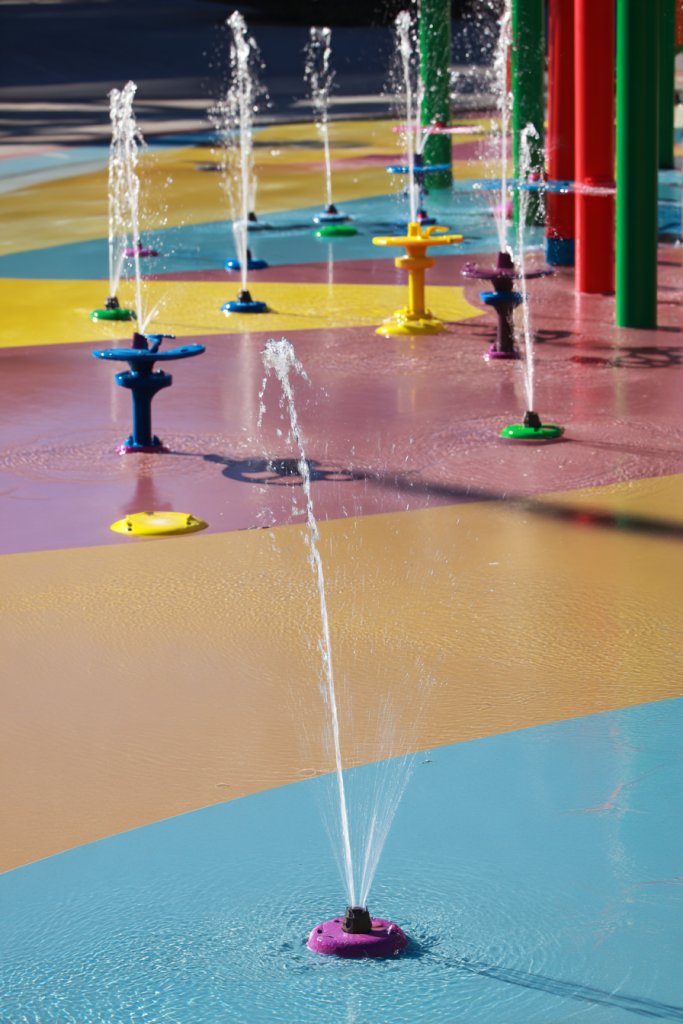
Hot weather can turn outdoor play into a sweaty, uncomfortable affair. Kids crave refreshing water fun, but traditional pools or sprinklers alone can get dull quickly. A water play station with sprinklers and splash pads offers a versatile, exciting solution. It keeps kids cool, active, and entertained for hours, all while boosting outdoor enjoyment.
Visualize a colorful splash pad with gentle fountains, spray jets, and mini water slides, all set on a flat grassy area. Kids jump and giggle as water jets shoot across their path, soaking clothes and smiles alike. Nearby, a small wading pool with floating toys provides additional cooling options. Bright, playful colors and water sounds fill the air, creating a lively summer oasis.
Choose a splash pad with themed designs—pirates, underwater scenes, or jungle adventures—to match your child’s interests. For smaller yards, opt for compact, inflatable setups that can be stored easily. Add a shaded canopy or umbrella to provide relief from the sun. Incorporate non-slip mats around the area for safety during active water play.
Choose a flat, level area with access to water and drainage. Set up the splash pad according to the manufacturer’s instructions, connecting hoses securely. Arrange sprinklers and water jets for full coverage. Use a hose timer or manual control to manage water flow efficiently. Regularly clean filters and check for leaks or damage, replacing parts as needed. After play, drain and dry the area to prevent mold.
Decorate with themed water toys, floating animals, or waterproof LED lights for evening fun. Incorporate cute, colorful water-resistant mats or rugs. Add small waterproof storage containers for toys and towels nearby. Seasonal decor, like inflatable flamingos or palm trees, can keep the area lively all year.
A water play station encourages outdoor activity, helping kids stay active and cool. It teaches water safety awareness in a fun way and promotes sensory exploration. Kids learn to share and take turns in a supervised environment, building social skills. It’s a splash of joy that turns backyard heat into a delightful adventure.
15. Picnic Table and Outdoor Kitchen Play Area
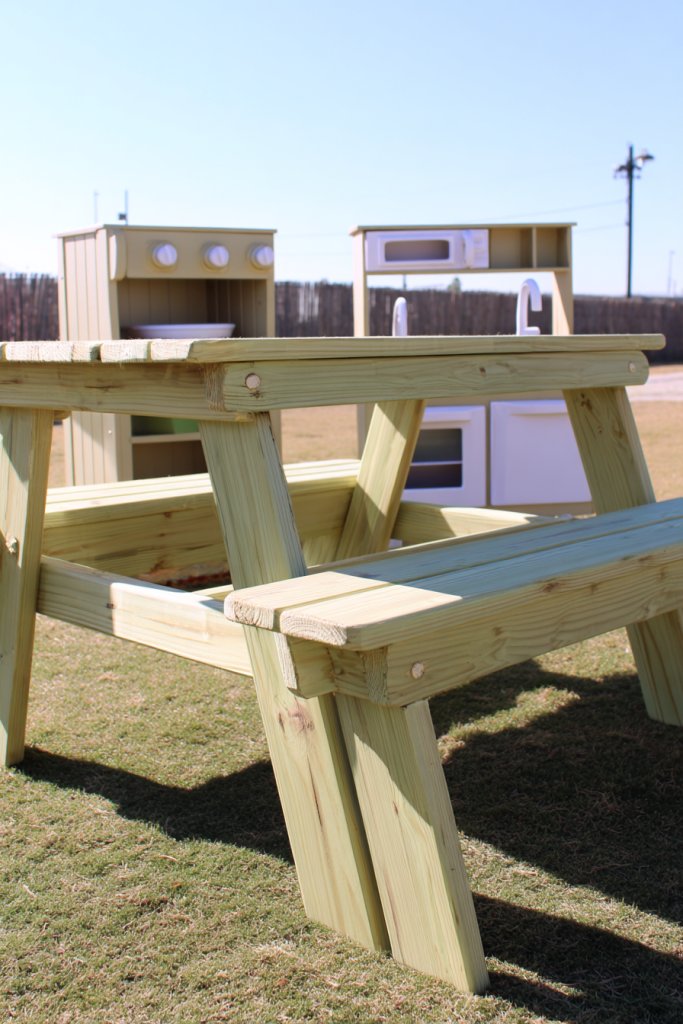
Kids love pretending to cook and serve food, but most backyard setups lack dedicated spaces for role-playing. An outdoor picnic table combined with a pretend kitchen transforms the yard into a bustling outdoor café. Parents want a durable, inviting spot that encourages social play and culinary imagination. It’s the perfect setup for family picnics and kids’ culinary adventures.
Imagine a sturdy, kid-sized picnic table with bright, weatherproof finish. Nearby, a pretend outdoor kitchen with a play sink, stove, and storage cabinets invites kids to be little chefs. Colorful utensils, pots, and fake food items are within reach, ready for busy hands. The whole area is framed by cheerful banners or themed decorations, making it a lively, interactive space where imagination runs wild.
Select a table style matching your yard—classic wood, colorful plastic, or rustic metal. Incorporate a small chalkboard or sign for menu offerings. Add themed accessories like chef hats or aprons for role-play. For limited space, choose a foldable table or compact play kitchen. Seasonal elements like fabric curtains or string lights can add charm.
Position the table and kitchen on a flat, clean surface such as concrete, gravel, or artificial turf. Secure the play kitchen units to prevent tipping. Organize pretend utensils, food, and dishes in accessible containers. Use weatherproof paints or finishes to withstand outdoor conditions. Regularly clean and organize to keep the play area inviting. Encourage kids to help set up and decorate for added ownership.
Create themed menu boards or decorate the kitchen with kids’ artwork. Incorporate water or sand tables nearby for additional sensory play. Use colorful, waterproof tablecloths or mats for extra fun. Personalize with a family name or favorite characters to make it uniquely theirs.
A pretend outdoor kitchen promotes social skills, sharing, and creativity. Kids develop language and narrative skills through role-playing. It’s a wonderful way to encourage healthy eating habits and teamwork. Watching little chefs proudly serve up their creations makes outdoor play both meaningful and fun.
16. Sensory Garden with Textured Pathways and Plants
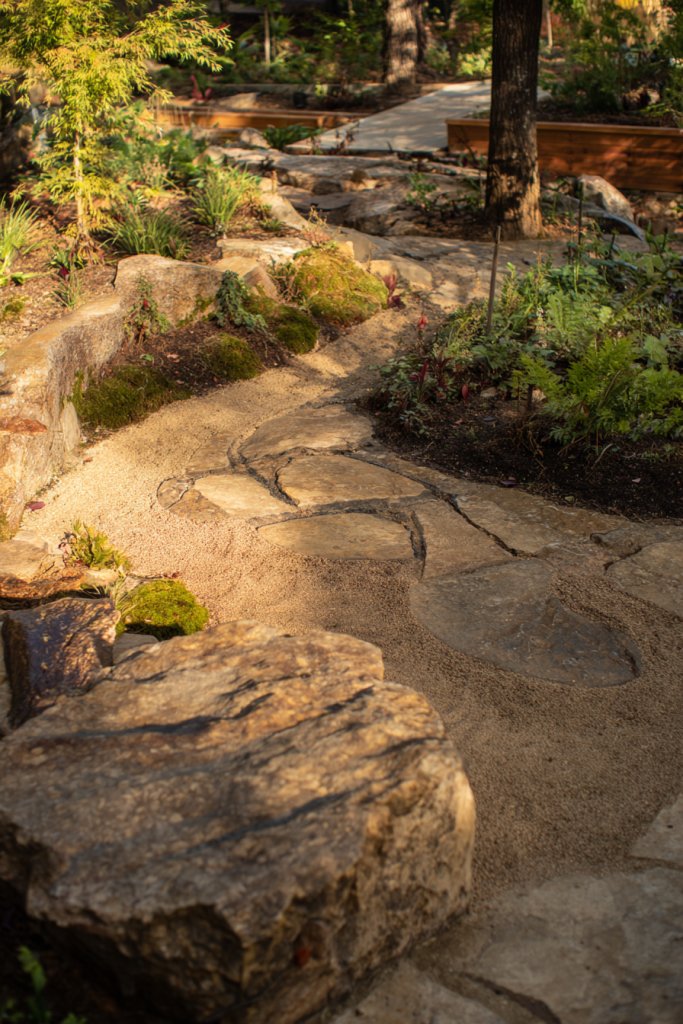
Children learn best through hands-on, sensory experiences, but typical gardens can be dull or overwhelming. A sensory garden introduces textures, scents, and sights tailored for exploration and calmness. Parents want a safe, engaging space that stimulates curiosity and supports sensory development. It’s a peaceful, educational retreat right in your backyard.
Visualize a small garden patch filled with fragrant herbs, textured grasses, and colorful, tactile plants. Pathways are lined with pebbles, bark, or textured tiles, inviting bare feet to explore different surfaces. Small stepping stones with varying textures or engraved patterns guide children through the space. Soft wind chimes or gentle water features add calming sounds, completing the sensory experience.
Select plants with distinct textures and fragrances, ensuring they are non-toxic and safe. Use a variety of materials for pathways—smooth stones, rough bark, or soft mulch—to create contrast. Incorporate sensory stations with textured panels or soft fabrics. Seasonal plants or flowers can refresh the sensory experience throughout the year.
Choose a sunny, well-drained spot with easy access. Prepare the soil with organic compost and plant a mix of fragrant herbs, textured grasses, and soft-leaved plants. Install textured pathways using durable stones or rubber tiles. Add sensory elements like wind chimes, water features, or tactile sculptures. Regularly water, prune, and refresh plants to keep sensory stimuli vibrant and safe.
Encourage kids to help select plants or design pathways, fostering ownership. Add small labels or signs with fun facts or scents. Incorporate a low, child-friendly watering can or garden tools for interactive care. Use colorful borders or decorative stones to personalize the space.
A sensory garden nurtures mindfulness, focus, and curiosity. Kids develop confidence as they explore and identify different textures and scents. It’s a calming space for relaxation or quiet observation, fostering emotional well-being. Creating this garden teaches respect for nature and encourages ongoing discovery.
17. Elevated Play Deck with Slides and Climbing Features
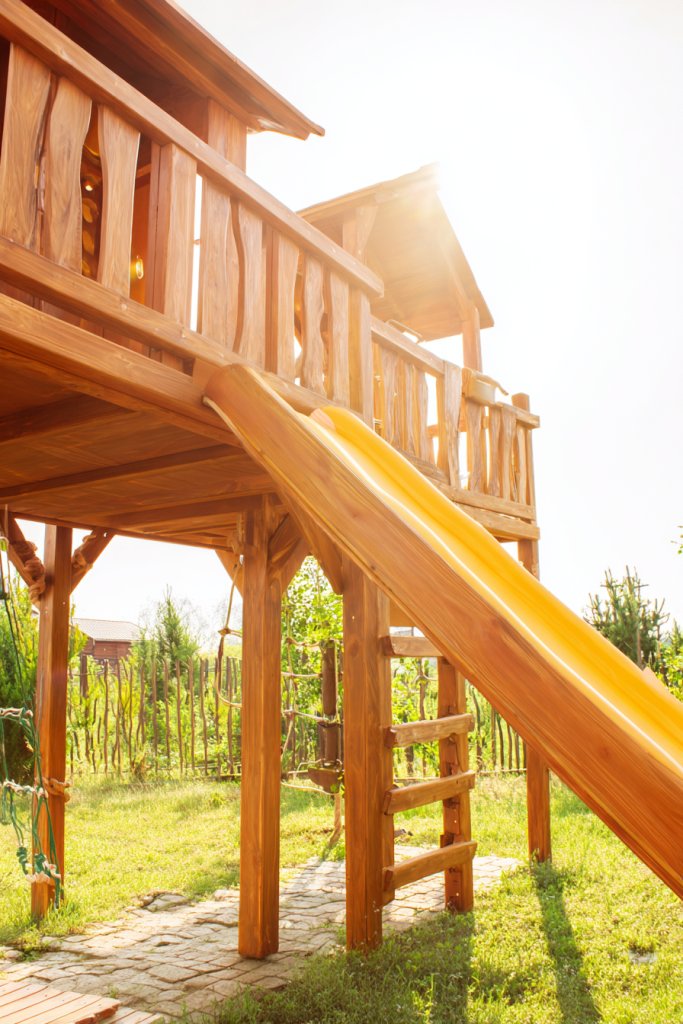
Flat backyard spaces can limit the excitement of outdoor play. An elevated deck adds height, variety, and scenic views, making play more adventurous. Parents want safe, durable structures that inspire active, imaginative fun. It’s a backyard upgrade that combines play, scenery, and a bit of adventure.
Picture a sturdy wooden platform raised above the ground, equipped with a bright slide spiraling down and colorful climbing ladders. The deck is surrounded by protective railings, with space for a small lookout or play area. Kids race up the stairs, then zoom down the slide, their laughter echoing through the yard. The deck offers a commanding view of the garden, making every moment feel like a mini adventure.
Choose natural wood finishes for a rustic look, or paint the deck in vibrant colors for a modern feel. Add features like a climbing wall, swings, or a telescope for enhanced adventure. For limited space, opt for a smaller deck with just a slide and climbing ladder. Seasonal accessories like canopy covers or decorative flags can add charm.
Begin by assessing yard space and ground stability. Build or purchase a pre-fabricated deck with safety features—secure railings, non-slip surfaces. Anchor the structure firmly into the ground, ensuring stability against weather or use. Install a slide and climbing features securely, checking for loose bolts. Finish with a safety surface underneath—decomposed granite, rubber tiles, or artificial turf. Regular inspections and maintenance ensure ongoing safety and stability.
Decorate the deck with kids’ artwork or themed accessories like pirate flags or fairy lights. Incorporate a small outdoor chalkboard or sign for storytelling. Add a cozy corner with weatherproof cushions or a small canopy for shaded play. Let children suggest new features or paint designs to personalize their adventure space.
A play deck with slides boosts physical confidence and independence. Kids love having their own mini fort or lookout, encouraging imaginative role-play. It’s a focal point for outdoor activity that promotes healthy movement and exploration. Watching children conquer new heights transforms outdoor space into a source of pride and joy.
18. Pop-up Tent or Teepee for Cozy Camping Adventures
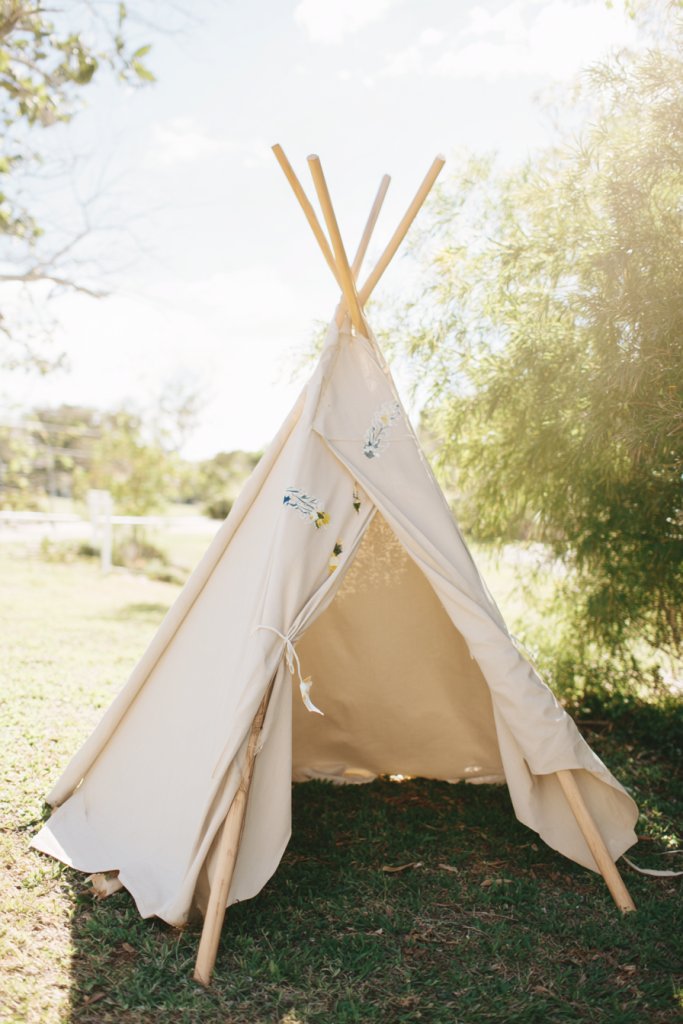
Many kids dream of camping, but outings can be costly and weather-dependent. A pop-up tent or teepee in your yard offers a portable, cozy alternative. It creates a special space for adventure, storytelling, and quiet downtime. Parents want a simple, fun addition that sparks outdoor imagination without the hassle of travel.
Imagine a colorful teepee or a lightweight tent nestled in a corner of the yard, decorated with fairy lights or fabric banners. Inside, soft pillows and plush toys create a snug hideaway. Kids crawl in and out, pretending to camp, tell stories, or read books in their private universe. The tent’s vibrant colors and playful design make it a focal point of joy and imagination.
Opt for a classic canvas teepee with decorative patterns or a pop-up tent with fun themes. Add a small outdoor rug and waterproof cushions for comfort. Incorporate themed accessories like lanterns, plush animals, or nature-inspired decor. For larger yards, consider multiple tents for a mini campsite or play village.
Choose a flat, shaded area with good drainage. Set up the tent according to manufacturer’s instructions—usually quick to assemble and portable. Anchor the tent securely with stakes or weights, especially in windy areas. Decorate the interior with cozy textiles, and add a small table or storage bag for toys and snacks. When not in use, fold or pack away for easy storage.
Personalize with kids’ names or themed accessories matching their favorite stories. Incorporate DIY touchpoints like painted rocks or handmade banners. Add outdoor-safe LED string lights or lanterns for evening ambiance. Let children choose decorations to make their outdoor camping space truly theirs.
A teepee or tent fosters independence and imaginative play, encouraging storytelling and role-playing. It’s a cozy retreat that promotes relaxation and creativity. Kids learn to care for their space and develop confidence through independent adventures. It’s a simple, magical way to expand outdoor fun.
19. Outdoor Musical Instruments Corner
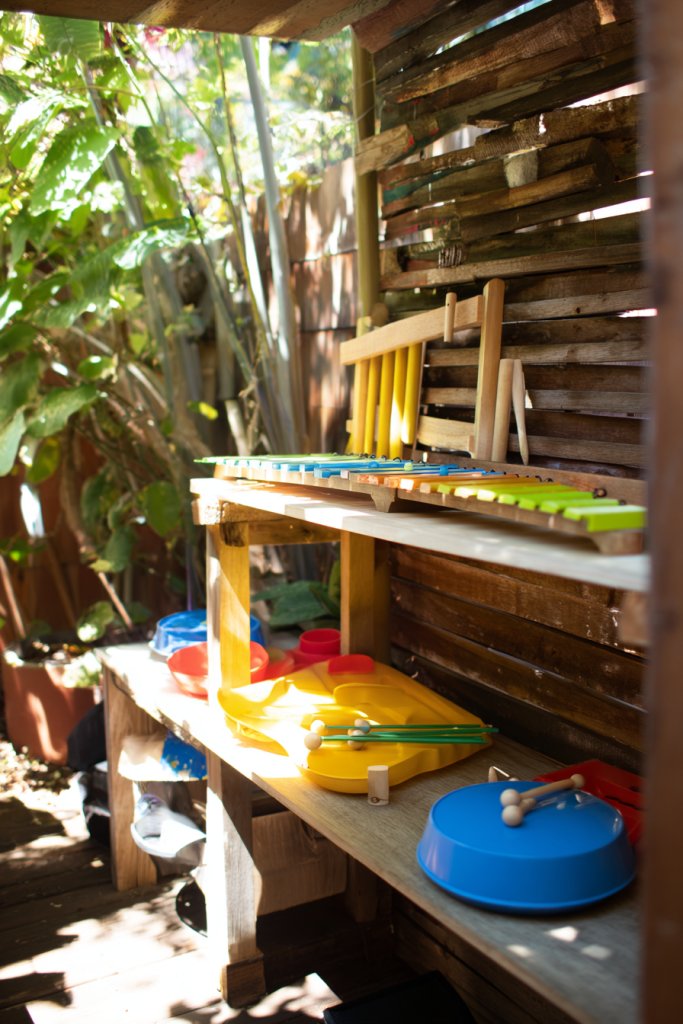
Music and movement are vital for early development, but indoor spaces limit auditory exploration. An outdoor musical corner invites kids to experiment with sounds, rhythm, and coordination in a natural setting. Parents want a durable, engaging space that fosters creativity and sensory growth. It’s a fun way to turn the yard into a mini outdoor concert hall.
Picture weatherproof drums, xylophones, and bells arranged on a sturdy, colorful stand or mounted on weather-resistant panels. Kids bang, shake, and pluck, creating lively melodies and rhythms. Bright, cheerful instruments are designed for outdoor use, with textured surfaces and vibrant colors. The area echoes with happy sounds, inviting spontaneous jam sessions and dance parties.
Choose instruments made from durable, weatherproof materials—metal, plastic, or treated wood. Group them by type or size for an organized look. Add decorative elements like wind chimes or musical note signs to enhance visual appeal. For smaller yards, select compact or wall-mounted options to save space. Seasonal decorations or themed setups can keep the area fun and festive.
Set up the instruments on a stable, non-slip surface—like rubber mats or sealed concrete. Mount larger instruments securely on walls or stands, and keep smaller items within reach. Encourage children to experiment with different sounds and tempos. Regularly clean and inspect the instruments for damage or wear, replacing parts as needed. Create a designated space for performances and group activities.
Personalize with customized signs, or add favorite tunes or rhythm patterns. Incorporate a small outdoor speaker or microphone for larger performances. Use weatherproof paint or decals to decorate the stands or panels. Invite children to create their own instruments or decorate existing ones for a personal touch.
A musical corner develops auditory skills, coordination, and self-expression. Kids gain confidence as they create and share their music. It encourages teamwork during group performances and boosts mood through joyful sounds. It’s a lively, creative addition that turns your yard into a family concert venue.
20. Chalk Paint Sidewalk Obstacle Course
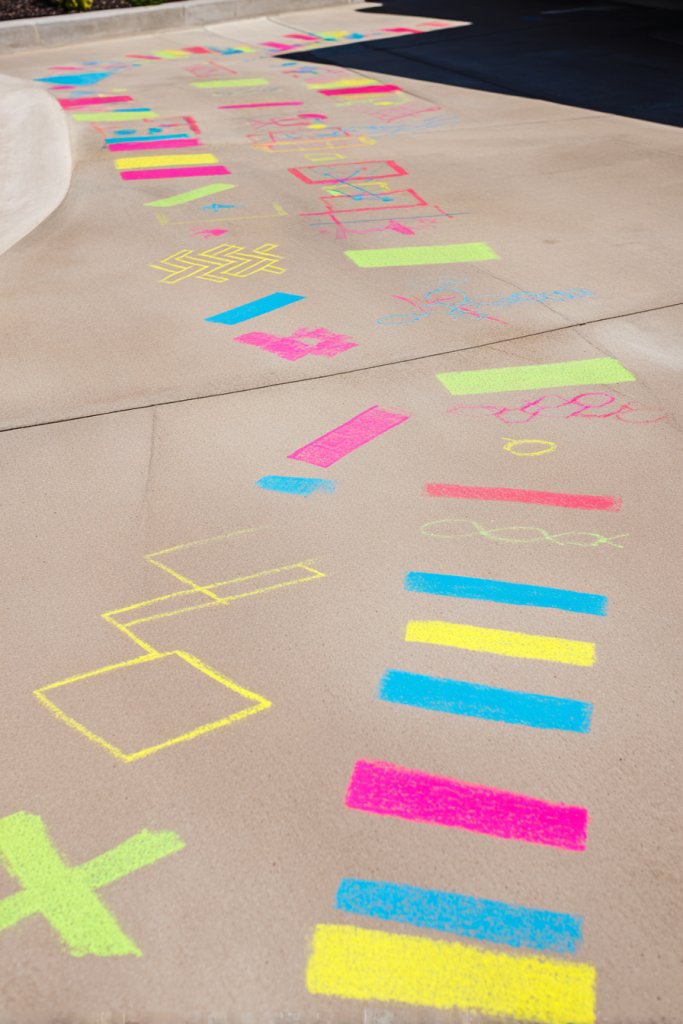
Outdoor play often gets repetitive, and kids crave new challenges that get them moving. A chalk paint obstacle course transforms a boring driveway or patio into a fun, interactive activity. Parents want an easy, affordable way to keep kids active and engaged without special equipment. It’s a creative way to combine art, exercise, and play.
Visualize colorful chalk lines and shapes drawn directly onto concrete—think hopscotch, zigzags, or maze paths. Bright, bold colors and playful patterns invite kids to jump, run, and zigzag through the course. The surface is dotted with numbered stations or themed challenges, encouraging kids to complete each task with enthusiasm. The entire space becomes a dynamic, ever-changing playground.
Use weatherproof chalk paint or outdoor-safe chalk markers for durability. Design a course that fits your yard’s shape—adding tunnels, balance beams, or target zones. Refresh the course regularly with new designs or challenges. Incorporate themed elements like superhero symbols or princess castles for added fun. Adjust difficulty levels by changing distances or adding rules.
Clean and prep the surface thoroughly. Use painter’s tape to mark out lines or shapes, then fill in with outdoor chalk paint for permanence. Alternatively, draw directly with weatherproof chalk markers. Encourage kids to help design the course for personalization. Regularly touch up the paint or chalk to keep the course vibrant. Use cones or markers to set boundaries and guide movement.
Add themed challenges like animal footprints or treasure hunts. Incorporate timers or scoreboards to gamify the experience. Use different colors or textures for each section to stimulate senses. Invite kids to create their own obstacle challenges or decorate the course with stickers or decals.
An obstacle course promotes physical activity, coordination, and strategic thinking. Kids learn to set goals and overcome challenges, building resilience. It offers endless variety, keeping outdoor play fresh and exciting. Watching children race through their own creations is a wonderful motivation for active, outdoor fun.
21. Vegetable or Flower Patch for Gardening Fun
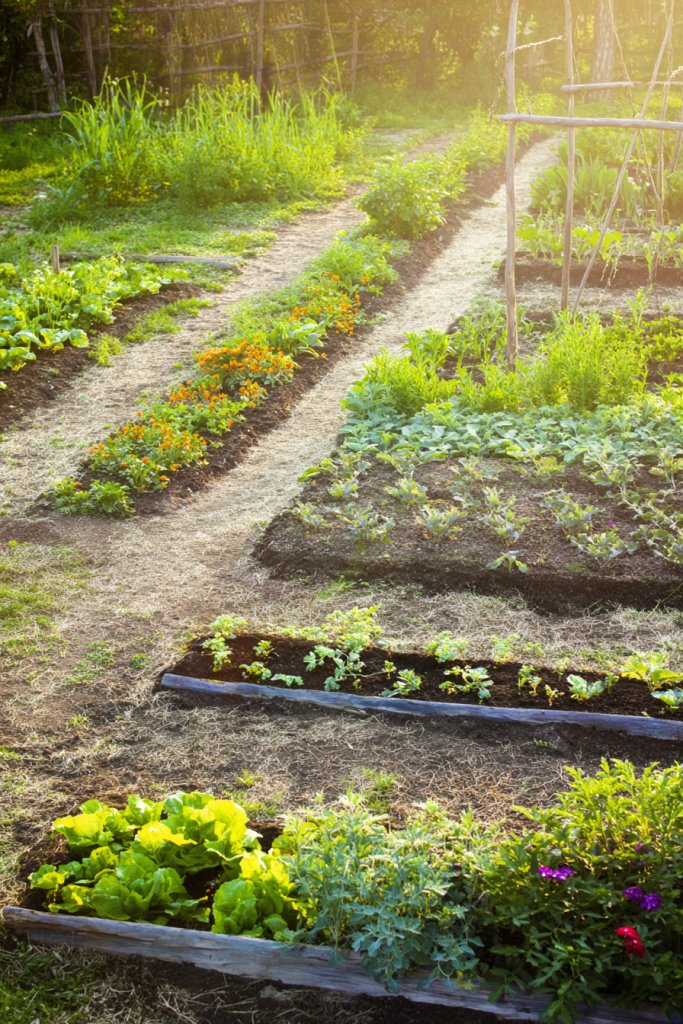
Kids often see gardening as boring or endless waiting, but it’s a wonderful way to teach patience, responsibility, and healthy eating. A dedicated vegetable or flower patch turns gardening into a fun, hands-on adventure. Parents want a simple, engaging project that yields rewards and instills lifelong skills.
Imagine a small, fenced-in plot filled with rows of colorful vegetables like carrots and cherry tomatoes or bright flowers like marigolds and zinnias. Kids crouch down, planting seeds in neat rows and watering with bright, child-sized watering cans. The garden is filled with the smell of fresh earth and blooming blooms, inspiring curiosity and pride. Labels or decorative signs add charm and educational value.
Choose a raised bed or container garden if space is limited. Incorporate decorative paths or stepping stones to make access easy and inviting. Mix edible plants with colorful flowers for visual appeal. Use child-friendly tools and gloves to make gardening safe and fun. Seasonally, swap out plants to teach about different growing cycles and habitats.
Select a sunny, accessible spot with good drainage. Prepare the soil and build or buy raised beds or containers. Involve kids in planting, watering, and weeding, making it a daily or weekly routine. Use organic fertilizers and pest control to keep plants healthy. Teach kids about plant growth, pollinators, and sustainability. Regular maintenance and harvesting teach responsibility and patience.
Create personalized plant labels or painted signs. Add decorative elements like garden gnomes or fairy houses. Incorporate a weather station or bird feeders nearby to extend nature learning. Celebrate harvests with mini parties or recipe days, involving kids in cooking their garden bounty.
Gardening boosts patience, nurturing skills, and environmental awareness. Kids take pride in growing their own food or flowers, building confidence and a sense of achievement. It’s a practical, ongoing lesson in nature’s cycles that encourages healthy habits and curiosity. Watching tiny seeds turn into vibrant plants is truly inspiring.
22. Tire Swing or Rope Swing from a Sturdy Tree
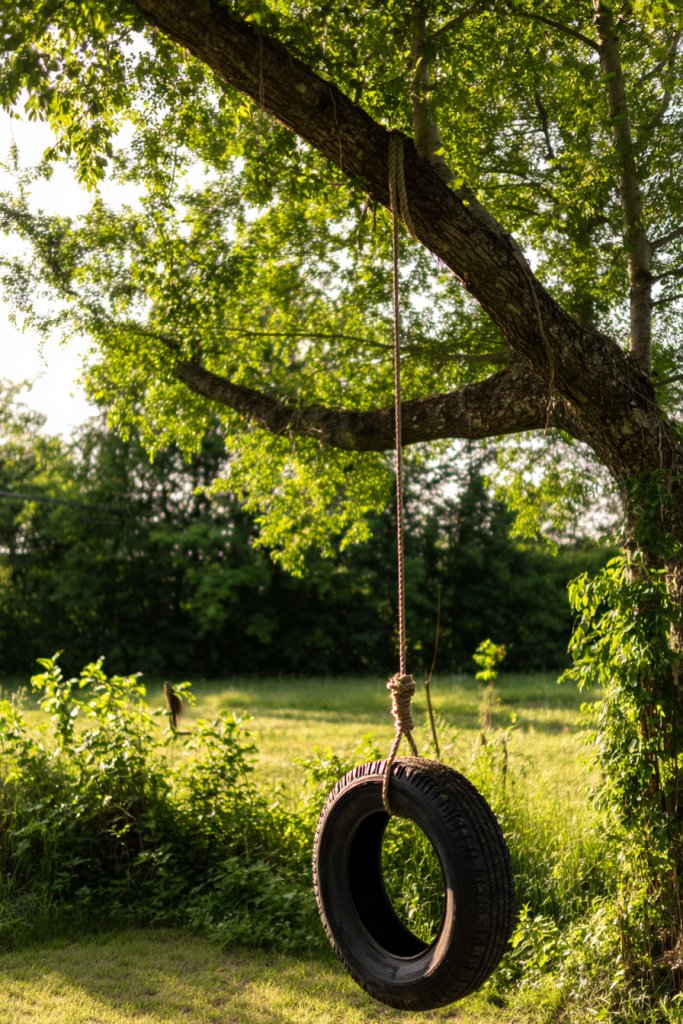
Swinging is timeless fun that never gets old, but many backyard swings lack the classic charm or safety features. A tire swing or rope swing offers a nostalgic, simple thrill that encourages active outdoor play. Parents want durable, easy-to-install options that add a splash of fun while ensuring safety.
Visualize a thick, sturdy tire suspended from a strong tree branch with a heavy-duty rope or chain. Kids grab the ropes, pushing off into a smooth, swinging motion that makes their faces light up with joy. The tire swings gently back and forth, with lush greenery framing the scene. Nearby, a soft ground cover like mulch or grass cushions any accidental tumbles.
Choose a classic black rubber tire or a bright, painted one to match your yard’s style. Use weather-resistant ropes or chains and secure them with heavy-duty hardware. For safety, install a protective barrier or soft ground underneath. You can also add a second swing or a fun attachment like a rope ladder for variety.
Identify a healthy, strong tree branch that can support weight—at least 8 inches in diameter. Attach the tire securely with a sturdy knot or hardware designed for outdoor use. Ensure the rope or chain is long enough for a safe, smooth swing without hitting the ground or nearby objects. Check all hardware regularly for wear or loosening. Keep the ground soft and clear of obstructions.
Paint the tire in bright colors or add decorative elements like stickers or glow-in-the-dark paint. Hang a small sign or banner nearby to personalize the space. Incorporate fun accessories like hanging toys or a small climbing rope next to the swing. Seasonal decorations or flags can make it part of festive outdoor setups.
A tire or rope swing encourages outdoor activity, balance, and confidence. Kids learn to take safe risks and develop core strength through swinging. It’s a timeless symbol of childhood freedom and joy, creating lasting memories. Watching children soar through the air on a simple swing reminds us of the pure happiness of outdoor play.
23. Low Wooden Climbing Structure with Slides
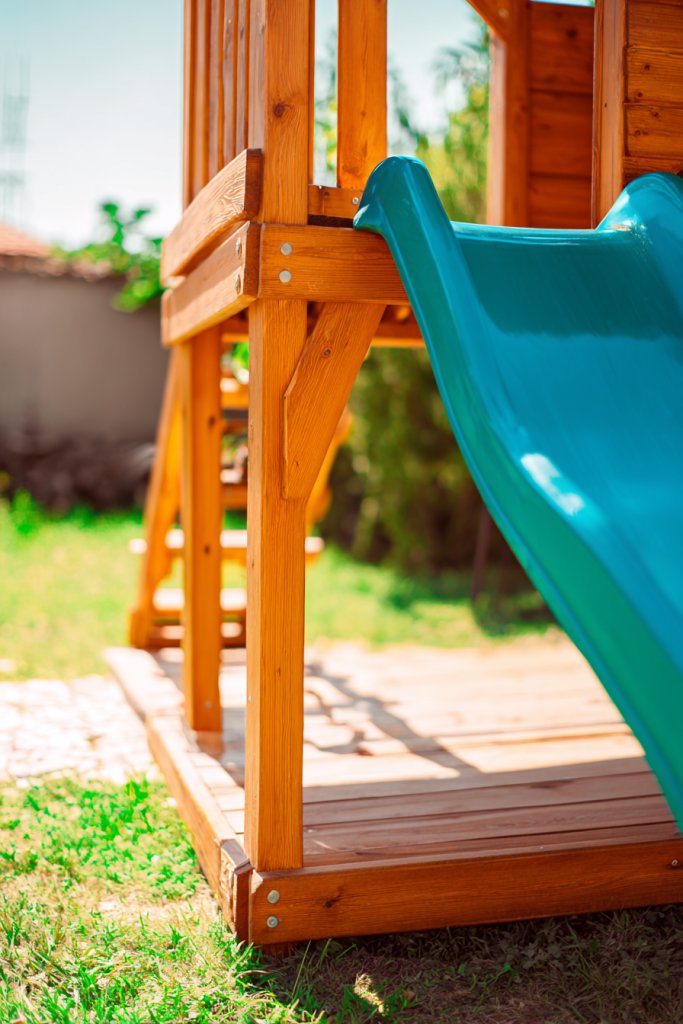
Many backyard playsets are bulky or expensive, leaving parents searching for simple, affordable options. A low wooden climbing structure with slides offers active fun without overwhelming the yard. It promotes climbing, sliding, and imaginative play while fitting into smaller spaces. It’s a practical, attractive addition to any kid-friendly yard.
Picture a natural wood-finished frame with a gentle slope slide and a small climbing ladder or rock wall. The structure blends into the garden with its rustic look, surrounded by soft mulch or grass for safety. Kids scramble up the steps, then zoom down the slide with excited squeals. The design encourages active, outdoor adventure and fits seamlessly into natural landscapes.
Choose a compact design with a minimal footprint or add features like a small tunnel or lookout platform. Use treated wood or eco-friendly composite materials for durability. Incorporate bright, weatherproof paint or stain to match your yard’s style. Seasonal accessories like flags or banners can add a festive touch.
Select a flat, stable area with ample clearance. Assemble the structure according to manufacturer instructions or plans, ensuring all bolts and joints are tight. Anchor the structure securely into the ground with stakes or concrete footings. Cover the base with mulch or rubber tiles to cushion falls. Regular inspections for stability and wear keep the play safe.
Add personalized painted designs or character decals. Incorporate a mini chalkboard or sensory panels nearby for extra fun. Use colorful flags or weatherproof banners to decorate. Encourage kids to help with decorating or choosing features, making it a collaborative project.
A low climbing structure boosts strength, coordination, and confidence. Kids love mastering climbing challenges and racing down slides. It promotes active outdoor play and social interaction, fostering independence. Watching children conquer their fears on a simple, sturdy playset is truly inspiring.
24. Outdoor Art Station with Easel and Paint Supplies
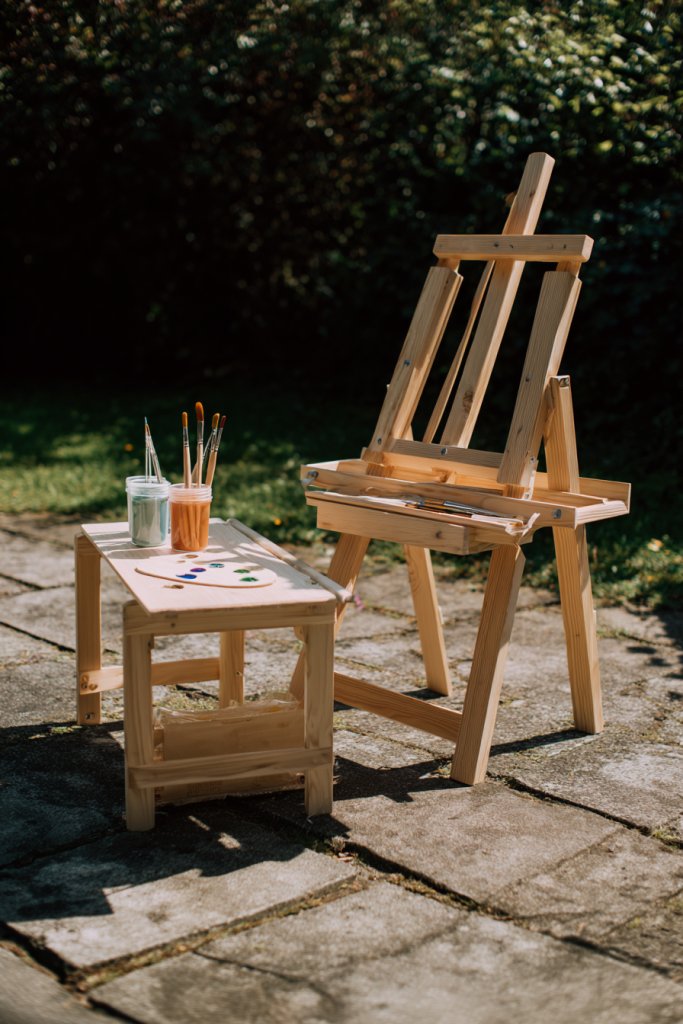
Indoor art projects can be messy and restrictive, limiting kids’ creative freedom. An outdoor art station turns your yard into a vibrant studio where children can paint, draw, and express themselves freely. Parents want a weatherproof, easy-to-clean setup that encourages artistic exploration without the cleanup hassle.
Imagine a sturdy, weather-resistant easel set on a small paved area or deck, with waterproof paints and brushes stored nearby. Kids splash bold colors onto large sheets of paper, their faces focused and happy. The background features a colorful pallet of paints, with a nearby table for mixing or drying art. The entire setup invites spontaneous creativity and messy fun.
Choose a portable easel that folds for easy storage or a fixed outdoor studio. Use weatherproof, non-toxic paints and brushes designed for outdoor use. Add a small table or storage bins for art supplies, and incorporate a drip tray or washable surface for easy cleanup. Seasonal decorations like fairy lights or banners personalize the space.
Position the easel on a flat, protected surface—like a patio or deck. Secure the easel so it won’t tip during use, and keep supplies organized nearby. Use washable, outdoor-safe paints to prevent stains. Regularly clean brushes and surfaces, and replace worn or dried-out supplies. Encourage kids to experiment with different techniques and themes, making art a spontaneous joy.
Decorate the art station with custom signs or painted murals. Incorporate themed props or stencils for variety. Use colorful, waterproof storage containers for supplies. Let children help decorate the area with their artwork or personal touches, fostering ownership and pride.
An outdoor art station nurtures creativity, fine motor skills, and self-esteem. Kids learn to express their ideas visually and experiment with colors freely. It’s a joyful, relaxing space that encourages artistic growth and confidence. Watching children proudly display their outdoor masterpieces is a true reward.
25. Family Fire Pit Area with Seating for S’mores Nights
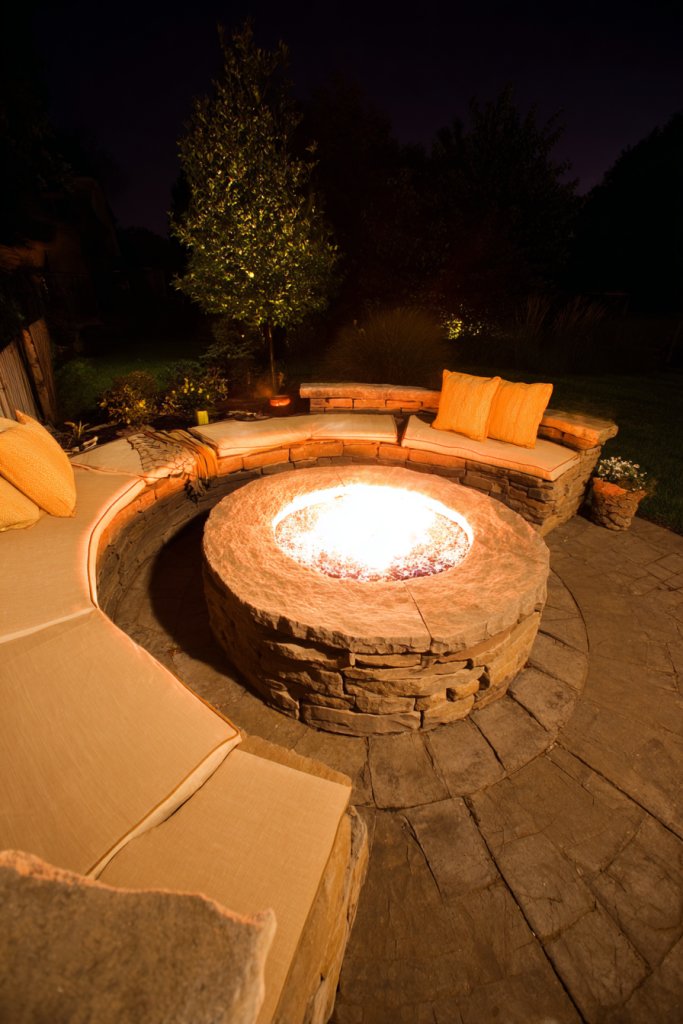
Evenings call for cozy gatherings, but many yards lack a dedicated space for family bonding outdoors. A fire pit area with comfortable seating creates a warm, inviting atmosphere for storytelling, roasting marshmallows, and relaxing together. Parents want a safe, attractive spot that encourages quality time and outdoor fun.
Picture a circular fire pit made of natural stone or metal, surrounded by sturdy, weatherproof chairs or built-in benches with plush cushions. The flickering flames cast a warm glow, illuminating faces and sparking conversations. Nearby, string lights or lanterns hang from trees or pergolas, adding ambiance. The aroma of roasted marshmallows and the crackle of the fire make it a magical evening setting.
Choose a fire pit style that fits your yard—modern, rustic, or traditional. Add side tables or storage for roasting sticks and snacks. Use weatherproof cushions or blankets for comfort. For safety, install screens or guardrails, and keep a fire extinguisher nearby. Seasonal decor like lanterns, fairy lights, or outdoor rugs enhances the atmosphere.
Pick a flat, non-flammable surface—like gravel or stone—that’s away from overhanging branches or structures. Construct or install the fire pit following safety guidelines, ensuring proper clearance. Arrange seating in a circle for easy conversation. Keep fire safety equipment accessible, and regularly check the area for debris or hazards. Use seasoned wood or fire-safe fuel for a clean burn.
Add personalized signs or family name plaques. Incorporate decorative elements like lanterns, outdoor rugs, or themed seating cushions. Use fire-safe decorative stones or sculptures to add visual interest. Invite kids to help set up and decorate, making it a family project and bonding experience.
A fire pit area fosters family bonding, storytelling, and outdoor relaxation. Kids learn fire safety and responsibility, gaining confidence in outdoor skills. It becomes a cherished spot for making memories, sharing stories, and celebrating together. Creating this cozy outdoor space elevates your yard into a gathering retreat.
Conclusion
With a diverse range of backyard play area ideas, you now have the tools to create a vibrant, engaging space for your kids to enjoy. Don’t hesitate to try out these creative concepts and customize them to fit your yard and your family’s unique style. Take action today and turn your outdoor space into a playful paradise where endless fun awaits!
