Imagine stepping into a home that perfectly captures the essence of contemporary living—stylish, functional, and effortlessly chic. Modern house design ideas have gained immense popularity because they emphasize clean lines, innovative use of space, and a seamless blend of form and function that appeals to today’s lifestyle.
In this article, you’ll explore a diverse range of ideas that cater to different tastes and needs, from minimalist aesthetics to bold architectural statements. Whether you’re planning a complete overhaul or just seeking small updates, these ideas will inspire you to create a home that reflects your unique personality while embracing modern trends.
1. Open-Concept Floor Plans with Seamless Transitions
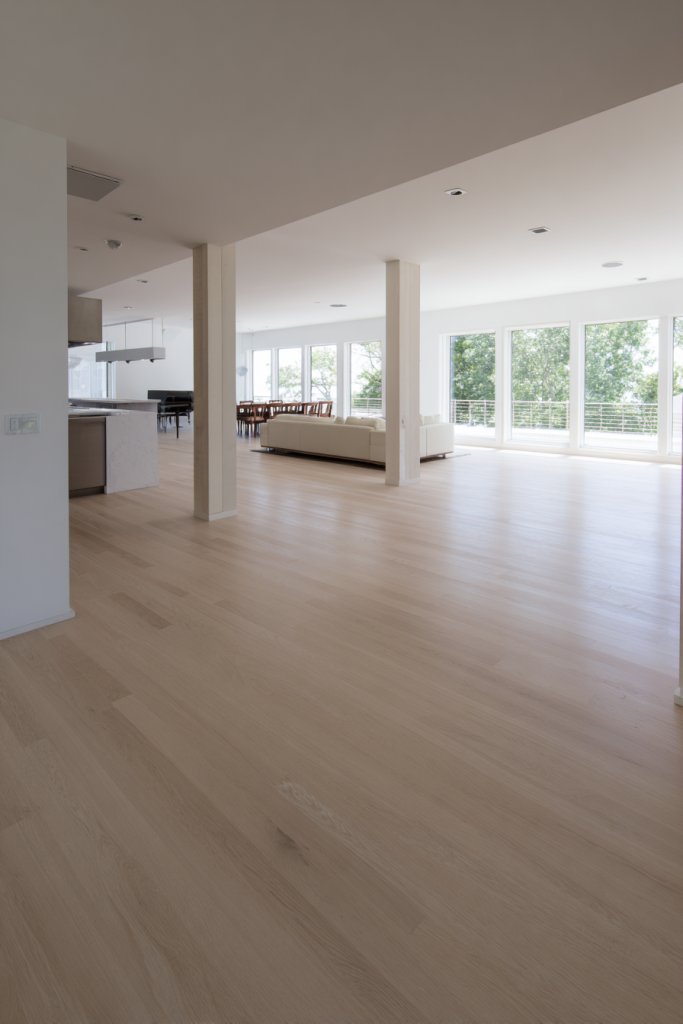
Ever felt cramped in your own home, wishing everything felt more spacious and connected? Open-concept floor plans promise the illusion of more space while fostering easy interaction among family and friends. They eliminate the barrier of walls, making your home feel bigger and more inviting. If you crave a modern, airy vibe that encourages freedom of movement, this idea is for you.
Imagine walking into a bright living area where the kitchen, dining, and lounge blend effortlessly into one large, flowing space. Natural light floods the room through expansive windows, bouncing off smooth, neutral floors. Sleek furniture with clean lines defines each zone without creating clutter. This open layout feels like a breath of fresh air, inviting conversation and spontaneous gatherings.
You can customize this concept with different flooring materials, from warm hardwood to polished concrete, depending on your style. For smaller homes, partial open plans like a semi-divided kitchen can work wonders. Seasonal tweaks, like adding cozy textiles and layered lighting, create a warm vibe in winter. In summer, incorporate breezy curtains or outdoor extensions for a seamless indoor-outdoor flow.
Start by sketching your current layout and identifying walls that can be removed or replaced with support beams. Consult with a structural engineer before knocking down any walls to ensure safety. Select multi-purpose furniture that complements the open space, like a central island or extendable dining table. Use consistent color schemes and flooring to unify the areas visually. Budget for possible renovations, including electrical rewiring and new flooring installation. Hiring professionals simplifies the process and guarantees safety.
Add personal touches with textured rugs, statement furniture pieces, or decorative partitions that can be moved or removed. Incorporate built-in storage solutions that keep clutter out of sight, maintaining the clean aesthetic. Use artwork, textiles, or lighting features to define different zones subtly. Creating a cozy corner with a plush armchair and soft throw blankets can make the space feel more personalized.
Open-concept living is not just trendy; it transforms your home into a versatile space for gathering, working, and relaxing. Embrace the freedom to redesign your space and enjoy the airy, connected lifestyle it offers. Once you see how seamlessly your home can flow, you’ll wonder why you didn’t do it earlier. Ready to break down walls and open up your world?
2. Minimalist Color Palettes for a Clean Aesthetic
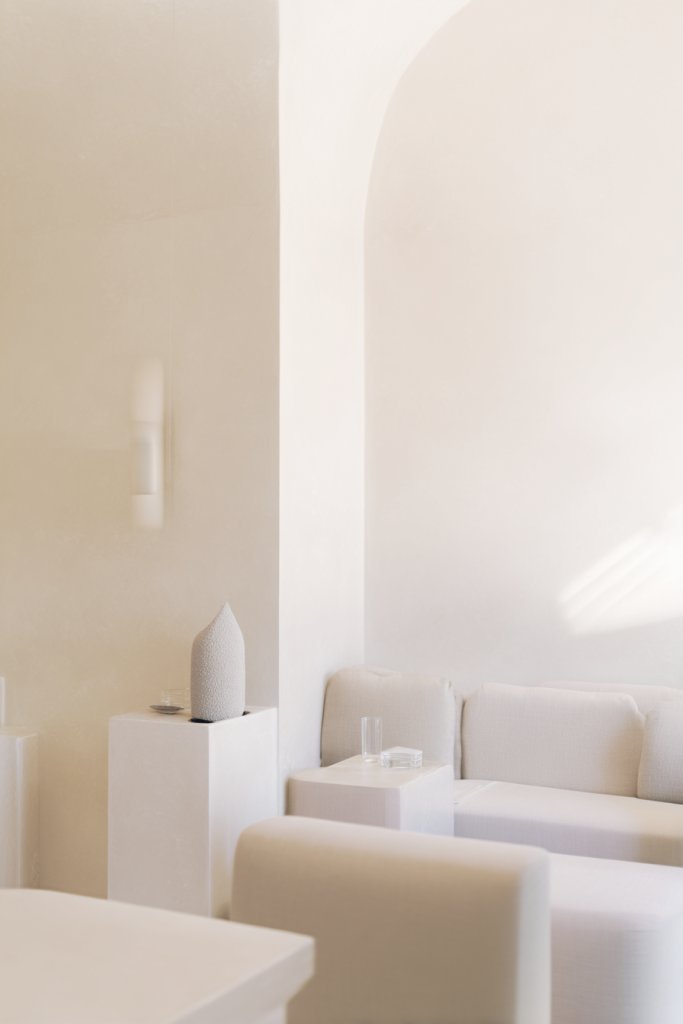
Do cluttered, chaotic spaces drain your energy? A minimalist color palette can create a serene environment that feels both modern and calming. It strips away visual noise, making your home look effortlessly stylish. If you crave simplicity without sacrificing design, this idea helps you achieve a clutter-free, peaceful vibe.
Picture a room painted in soft whites and warm beiges, accented by subtle shades of gray. Textured fabrics like linen or cotton add depth without overwhelming the senses. Natural light enhances the muted tones, casting gentle shadows that change with the time of day. Minimalist furniture with sleek profiles completes the look, emphasizing clean lines and open space.
Switch up your palette seasonally by introducing warmer hues in winter or cooler tones in summer. You can also add small pops of color through accessories like throw pillows or rugs, but keep them muted. For smaller rooms, sticking to a monochrome scheme maximizes the perceived space. In contrast, larger rooms allow for more layered shades that create depth.
Begin by choosing a base color—white, gray, or beige—and select complementary shades for accents. Keep wall colors consistent across rooms to unify the space. Opt for furniture in neutral tones, avoiding overly busy patterns. Use natural materials like wood, stone, or metal to add texture and interest. Keep surfaces clutter-free, and opt for hidden storage to maintain the minimalist aesthetic. Pay attention to lighting—soft, warm LED fixtures work well.
Introduce subtle variations by playing with different textures—think a soft cream throw blanket with chunky knit texture, or matte-finish ceramics. Personalize your space with meaningful but understated decor, such as a simple ceramic bowl or a sculptural object. Incorporate textiles with subtle patterns to add visual interest without breaking the minimalist rule.
A minimalist color scheme isn’t just about looks; it’s about creating a tranquil sanctuary that lifts your mood. When your environment feels calm and organized, your mind follows suit. Embrace the simplicity, and you’ll find your home becomes a place of peace and productivity. Ready to declutter your space and your mind?
3. Floor-to-Ceiling Windows for Natural Light
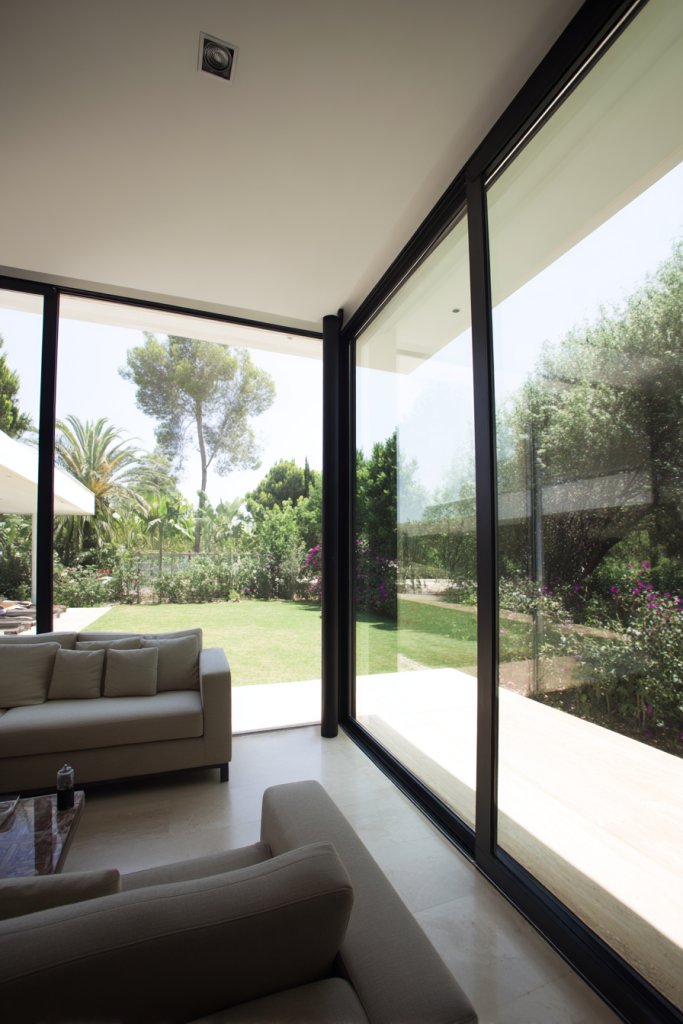
Ever wish your home could feel brighter and more connected to nature? Floor-to-ceiling windows promise an abundance of natural light, transforming dull interiors into vibrant living spaces. They also offer stunning views that make you feel like you’re part of the outdoors. If sunlight and scenic vistas are your goals, this idea is a game-changer.
Imagine walking into a living room where glass walls stretch from the floor to the ceiling, flooding the space with sunlight. The view outside is framed like a piece of art, whether it’s a lush garden, city skyline, or mountain range. The light bounces off sleek floors and neutral walls, creating a sense of openness and freedom. Sliding glass doors can open fully, blending indoor comfort with outdoor freshness.
You can opt for tinted glass for privacy or solar shading to reduce heat gain. Incorporate shading devices like motorized blinds or external screens to control light and privacy. For colder climates, double-glazed windows enhance insulation. In coastal areas, consider hurricane-resistant glass for safety. Seasonal adjustments, like adding textured curtains, can soften the light or provide privacy when needed.
Start with structural planning—consult a builder to ensure your foundation and framing can support large glass panels. Choose high-quality, energy-efficient glass to maximize insulation and reduce energy costs. Work with a professional installer to ensure precise fitting and sealing. Consider sliding or folding mechanisms that allow seamless indoor-outdoor transitions. Budget for possible reinforcement of existing walls or foundation adjustments.
Use window treatments like sleek roller shades or motorized blinds that disappear when not in use. Incorporate textured wall finishes or subtle architectural details to complement the expansive glass. Decorate the interior with reflective surfaces and light-colored textiles to amplify natural brightness. Keep furniture minimal so the view remains the focal point.
Floor-to-ceiling windows turn your home into a bright, lively space that feels larger and more connected to nature. They encourage outdoor living and brighten your mood daily. With proper planning, they’re a worthwhile investment that elevates your home’s aesthetic and value. Ready to let the sunshine in?
4. Sleek, Handleless Cabinetry and Storage Solutions
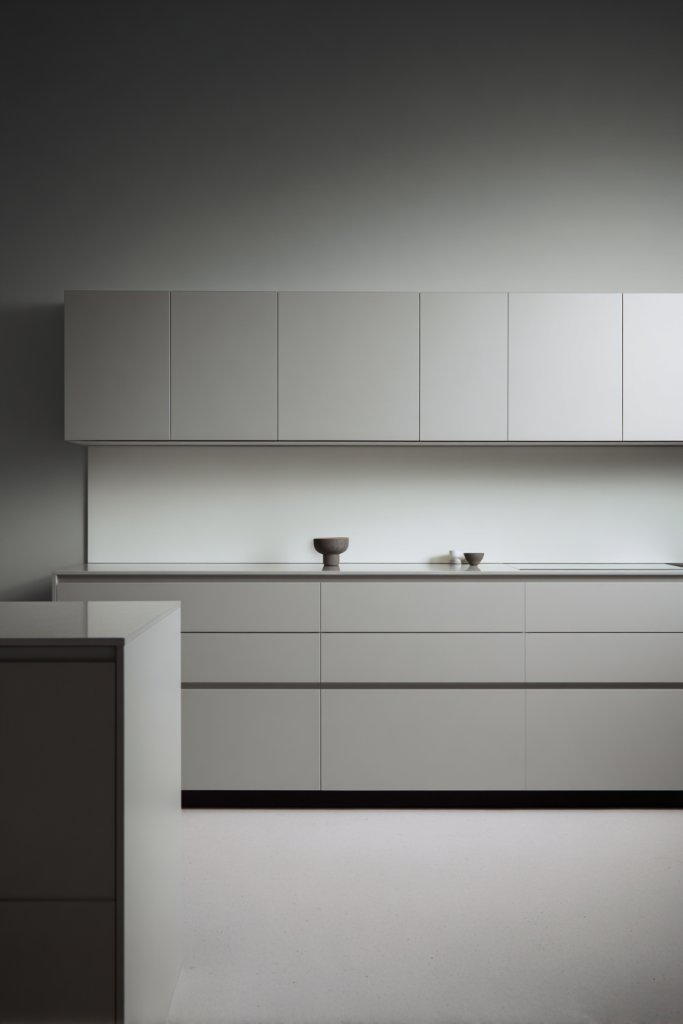
Cluttered kitchens and bathrooms drain your energy and ruin your sleek aesthetic. Handleless cabinetry offers a modern, minimalist look that keeps surfaces smooth and tidy. It creates a seamless flow, making your space appear larger and more organized. If you love clean lines and clutter-free zones, this idea is a must-try.
Picture a kitchen where drawers and cabinets open with a gentle push, revealing perfectly organized storage spaces. The flat fronts in matte or high-gloss finishes reflect light, adding to the airy feeling. Hidden handles or push-to-open mechanisms keep the look sleek and uninterrupted. The overall effect is a polished, futuristic vibe that’s both functional and beautiful.
Choose between matte, gloss, or textured finishes to suit your style. Incorporate color accents subtly through countertop materials or small accessories—think muted earth tones or monochrome schemes. For small spaces, opt for vertical cabinets to maximize storage without compromising space. Seasonal updates might involve swapping hardware or adding decorative panels for a fresh look.
Begin by selecting handleless cabinet systems that match your style—either soft-close drawers or push-to-open doors. Coordinate with a cabinet maker or kitchen designer to ensure precision in measurements. Use high-quality hardware to prevent sticking or misalignment over time. Opt for durable materials like MDF or plywood with a laminate or veneer finish for longevity. Install with professional help to guarantee a flawless, handle-free appearance. Keep clutter out of sight by integrating clever storage accessories inside.
Add personal flair with textured or patterned cabinet fronts, or introduce contrasting colors for visual interest. Incorporate open shelving with sleek, handleless fronts to display curated items subtly. Use under-cabinet lighting (hidden or recessed) to highlight the clean lines and add ambiance. Consider custom inserts or organizers to keep everything neat and accessible.
Handleless cabinetry elevates your home’s modern aesthetic and simplifies daily routines. Its sleek look complements various styles, from ultra-minimalist to industrial chic. Once installed, it’s a statement of sophistication and smart design. Ready to enjoy clutter-free, streamlined spaces?
5. Use of Natural Materials like Concrete, Wood, and Stone
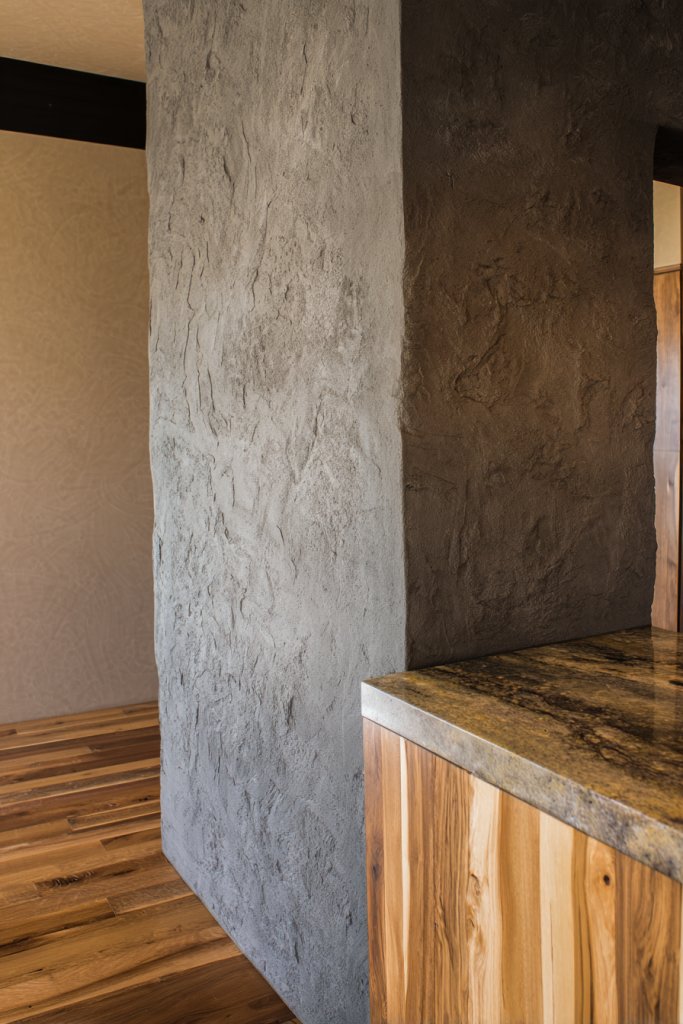
Tired of sterile, mass-produced interiors? Incorporating natural materials adds warmth, texture, and a touch of nature to your home. Concrete, wood, and stone create a grounded, modern aesthetic that feels both sophisticated and cozy. If you want your space to exude authenticity and durability, this idea is perfect.
Imagine a living room with a raw concrete accent wall contrasted by warm wooden beams and a polished stone fireplace. Textured surfaces catch the light differently throughout the day, adding depth and interest. A reclaimed wood coffee table or a stone countertop brings an earthy vibe that’s both stylish and sustainable. The mix of materials creates a layered, inviting environment that ages gracefully.
You can soften the look with textiles like wool throws or linen cushions, or keep it industrial with metal accents. For warmer climates, wooden slat walls or bamboo panels add a tropical touch. In colder seasons, layer with plush rugs or cozy blankets to enhance tactile comfort. These materials can be used in furniture, flooring, or decorative features to unify your decor.
Select high-quality, sustainably sourced materials for longevity and eco-friendliness. Use concrete for countertops or flooring—these require professional mixing and curing. Wooden elements should be sealed and treated for durability, especially in humid environments. Stone features like accent walls or flooring need precise installation to prevent cracking. Incorporate these elements into your design with careful planning and expert help for a seamless look. Mix textures and finishes to avoid monotony.
Personalize with unique wood grains, polished or matte finishes, or textured concrete. Use reclaimed or salvaged materials for an eco-conscious approach. Add sculptural concrete or metal accents that contrast yet complement the natural surfaces. Integrate handcrafted elements like carved stone or custom woodwork to make your space truly one-of-a-kind.
Natural materials create a timeless appeal that ages beautifully. They foster a connection to the environment, making your home more soothing and authentic. Embrace these raw textures for a home that feels alive and full of character. Ready to bring nature inside?
6. Modern, Geometric Staircases as Focal Points
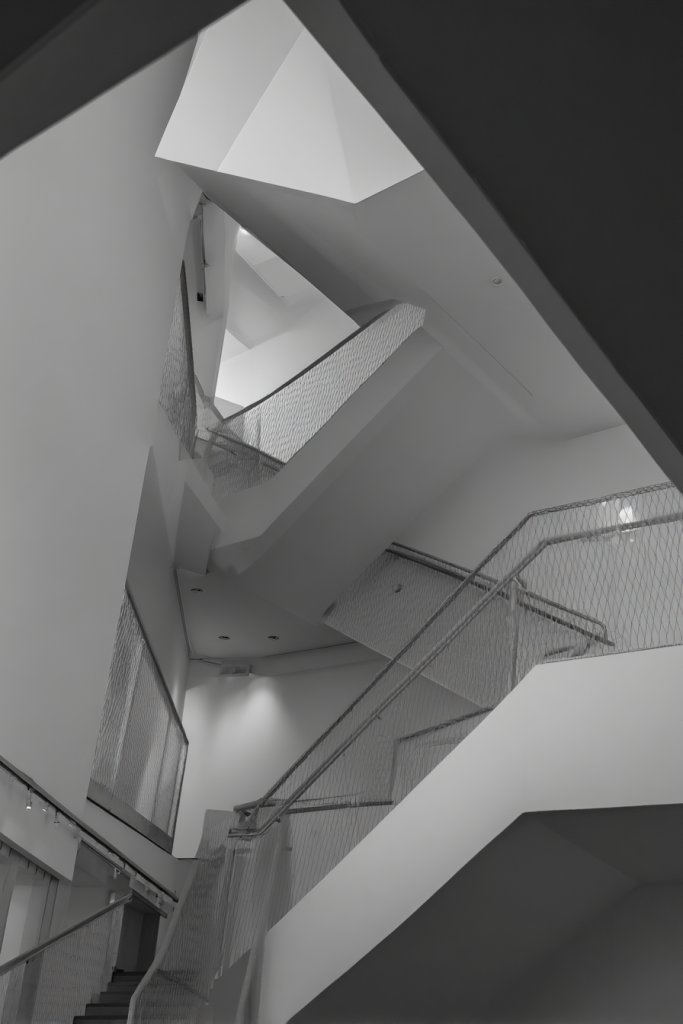
Stairs are often an overlooked element, but in modern design, they can become a stunning centerpiece. Geometric staircases add architectural interest and sculptural flair to your home. If you want to elevate your space from ordinary to extraordinary, this idea is a perfect solution.
Visualize a floating staircase with sleek, straight lines that seem to defy gravity, anchored by minimal supports. Alternatively, a spiral staircase with bold, geometric patterns acts as both art and function. Materials like glass, metal, or wood can be combined for a striking effect. Lighting underneath or along the treads enhances the sculptural quality, creating drama and depth.
Choose from minimalist designs with clean, sharp angles for a contemporary look or curved, sculptural forms for a more artistic feel. Materials like blackened steel, polished concrete, or light oak can dramatically change the tone. For smaller spaces, compact stringer designs save space, while open riser stairs keep the area feeling airy. Seasonal lighting or decorative handrails can personalize the staircase further.
Work with an architect or structural engineer to ensure safety and support. Select durable materials suited to your aesthetic—metal for industrial, glass for modern elegance, or wood for warmth. Precise measurements are crucial to ensure comfortable treads and safe rise. Installation involves reinforcing the existing structure or creating new support points. Finishing touches like custom handrails or lighting strips add to the visual impact.
Accentuate your staircase with LED lighting, colored treads, or textured risers. Incorporate sculptural elements such as metal or concrete balustrades that double as artwork. For a softer touch, add a runner rug or textured wall panels nearby to enhance the overall effect. Personal touches turn a functional element into a statement piece.
A geometric staircase transforms your home into an architectural statement, blending form and function seamlessly. It’s a bold move that signals modern sophistication and artistic flair. Once in place, it becomes a conversation starter and a source of pride. Ready to elevate your home with a staircase that’s truly a work of art?
7. Multi-Functional Furniture for Space Efficiency
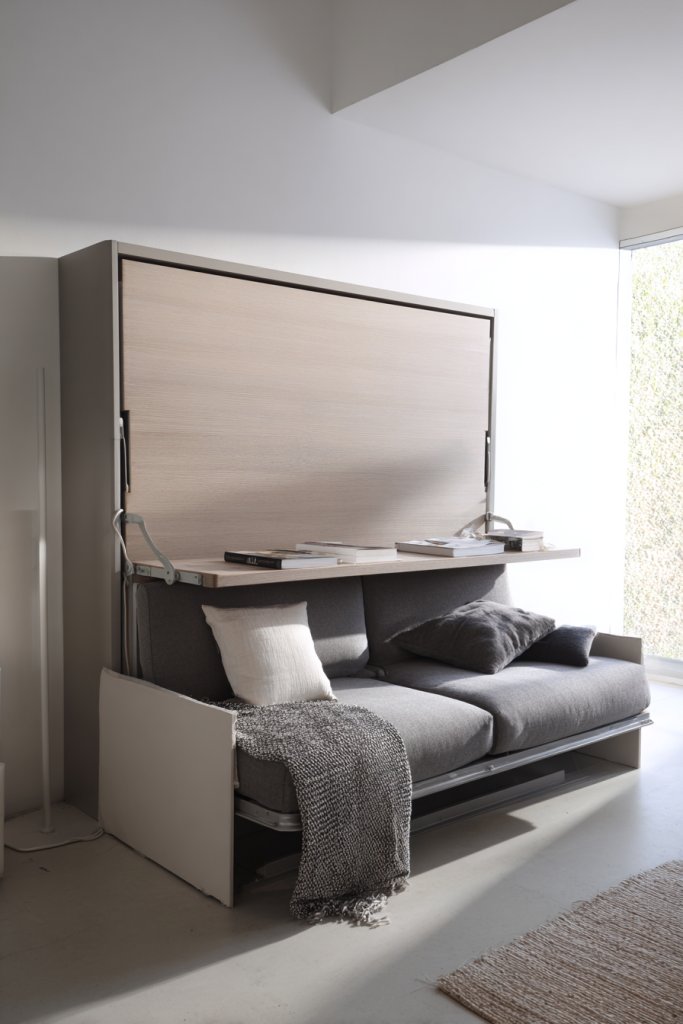
Living in a small space often means sacrificing style for practicality. Multi-functional furniture solves this dilemma by combining several uses into one piece, saving space without sacrificing style. It’s perfect for those who want a clutter-free environment that still caters to all needs. If you’re tired of stuffing everything into tiny corners, this idea offers a sleek solution.
Imagine a sofa that unfolds into a guest bed or a coffee table with hidden storage compartments. An extendable dining table can accommodate guests when needed and fold down to save space daily. Modular shelving units double as room dividers and display areas. These pieces blend seamlessly into modern interiors, offering versatility and clean aesthetics. They make your home adaptable and stylish.
Choose pieces in neutral tones or bold colors to match your decor. Incorporate materials like wood, metal, or upholstered fabrics for different textures. For small apartments, focus on wall-mounted fold-outs or compact designs. Larger homes can explore multi-layered furniture with built-in tech or storage features. Seasonal updates could involve swapping out textiles or adding decorative accents.
Start by assessing your space and listing your most needed functions. Research multi-purpose furniture with good reviews for durability and ease of use. Prioritize quality construction to ensure longevity. Measure your spaces carefully to choose appropriately scaled pieces. When purchasing, consider modular options that can be reconfigured as your needs change. Professional assembly may be advisable for complex items.
Personalize your furniture with removable covers, decorative cushions, or accent trims. Incorporate lightweight, movable pieces to reconfigure your space easily. Use decorative screens or textiles to add visual interest when furniture is not in use. Consider integrating tech features like built-in charging stations or smart controls for added convenience.
Multi-functional furniture makes small spaces feel spacious and adaptable. It empowers you to create a home that evolves with your lifestyle. With the right pieces, you’ll impress visitors with your clever, stylish solutions. Ready to optimize your space and boost your home’s functionality?
8. Indoor-Outdoor Living with Sliding Glass Doors
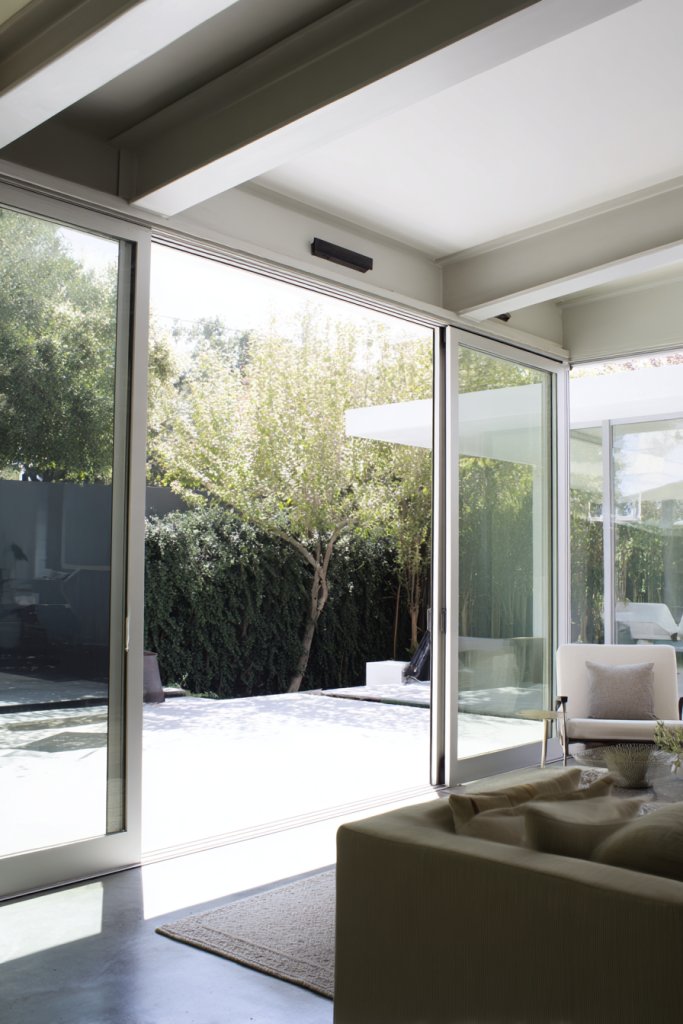
Craving a home that extends beyond its walls? Sliding glass doors seamlessly connect indoor living spaces with outdoor patios or gardens. They invite fresh air, natural light, and a sense of openness that’s hard to beat. If outdoor entertainment and a brighter home appeal to you, this idea is a must-try.
Visualize a spacious living room with large glass panels that slide open to reveal a lush backyard. The transition feels effortless, blurring the line between inside and out. During warm evenings, you can open the doors to enjoy a breeze while entertaining guests or relaxing with family. The reflective surfaces and natural views create a calming, inviting atmosphere.
Choose from frameless or slim-framed options for a minimalist look. Incorporate screens or blinds for privacy and sun control. For colder climates, opt for insulated, double-glazed panels to improve energy efficiency. In coastal areas, consider corrosion-resistant hardware. Seasonal adjustments like outdoor rugs or weatherproof furniture can enhance comfort and style.
Work with a professional to plan the structural modifications needed for large openings. Select high-quality sliding or folding glass systems designed for durability and ease of use. Ensure proper sealing and insulation to prevent drafts and leaks. A seamless track installation guarantees smooth operation. Budget for reinforcement of existing walls and precise measurements for perfect fitting.
Add custom hardware or handles that match your interior accents. Use outdoor-rated textiles like weatherproof cushions or curtains to soften the space. Incorporate lighting options, such as recessed LED strips or outdoor sconces, to extend usability into evening hours. Personal touches like potted plants or decorative stones can make the outdoor area feel like an extension of your home.
Indoor-outdoor living elevates your home’s lifestyle and design. It invites more social gatherings and daily enjoyment of nature. When done right, it adds significant value and aesthetic appeal. Ready to transform your home into a seamless indoor-outdoor sanctuary?
9. Statement Lighting Fixtures with Contemporary Flair
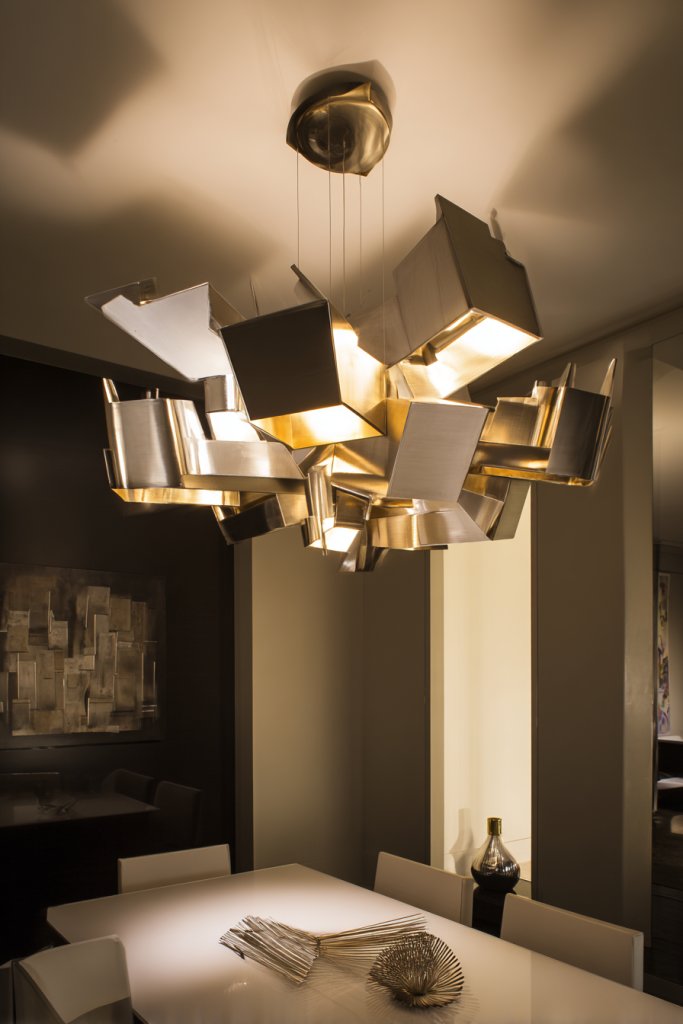
Lighting isn’t just about seeing; it’s about shaping ambiance and style. Statement fixtures serve as focal points, elevating your space from ordinary to extraordinary. They add personality, drama, and a modern touch that transforms the room’s entire vibe. If you love making bold design choices, this idea is your new best friend.
Picture a dining area illuminated by a sculptural pendant with geometric metalwork or an oversized, colorful chandelier. The light casts interesting shadows and highlights architectural details. In living rooms, oversized globe or sculptural sconces create visual interest while providing functional illumination. These fixtures become art pieces that draw attention and spark conversation.
Choose fixtures in sleek metals, matte finishes, or bold colors to match your style. For a cohesive look, coordinate lighting in different areas with similar materials or shapes. Incorporate dimming features for mood control or adjustable heights for versatility. Seasonal updates could include swapping out shades or adding decorative bulbs for special occasions.
Identify key areas where statement lighting will have the most impact—entryways, dining, or living rooms. Choose fixtures that complement your ceiling height and overall decor. Hire an electrician to handle the wiring and installation safely. Ensure the fixtures are rated for the room’s purpose—damp-rated for bathrooms, for example. Layer with task or accent lighting for balanced illumination.
Add a touch of personality with custom shapes, colors, or finishes. Use smart lighting controls to change ambiance via apps or voice commands. Pair fixtures with textured wall finishes or architectural details to amplify their effect. Personal touches like decorative filament bulbs or artistic shades can make your lighting truly unique.
Statement lighting elevates your home’s style quotient and showcases your personality. It transforms mere illumination into a visual centerpiece that impresses guests and energizes your space. Once installed, it becomes a defining feature that reflects your taste and creativity. Ready to light up your home with bold, modern fixtures?
10. Monochrome and Textured Wall Finishes
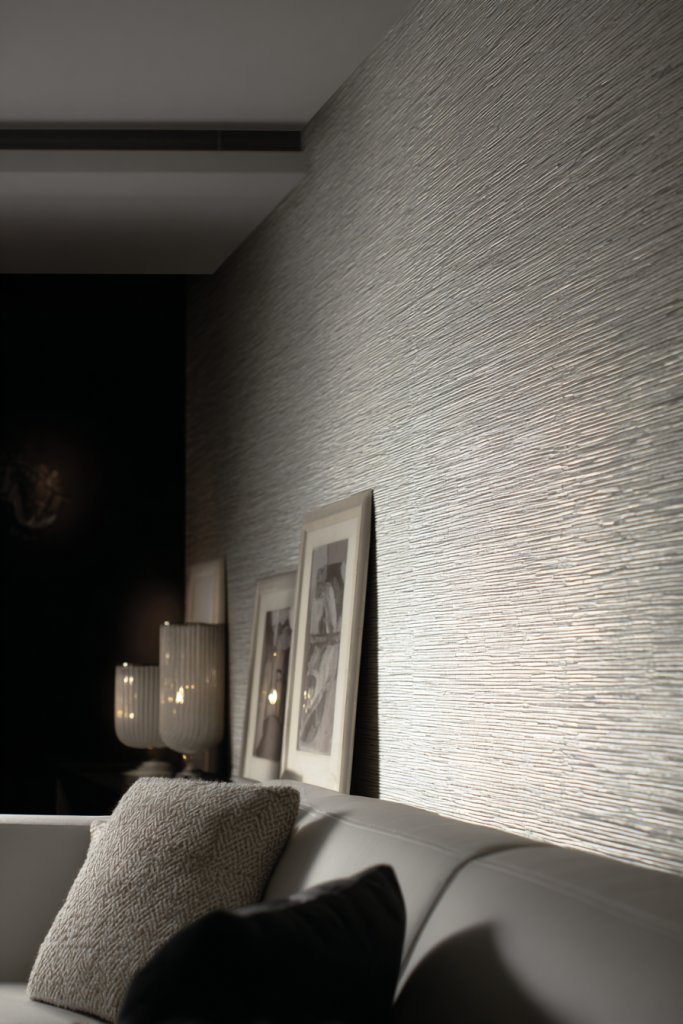
Walls can be the biggest canvas in your home, but too often they become boring or overwhelming. Monochrome and textured finishes add depth and sophistication without cluttering your space. They create a subtle yet impactful backdrop that enhances your overall design. If understated elegance appeals to you, this idea offers a refined approach.
Visualize a feature wall painted in a rich charcoal matte, textured with a subtle pattern or plaster finish. Adjacent walls are in soft, matte neutrals, creating a layered look that’s both modern and calming. Textured wall panels or wall coverings in monochrome shades add tactile interest. The interplay of light and shadow on textured surfaces creates dynamic visual effects.
Use textured finishes like stucco, Venetian plaster, or geometric wall panels for variety. Keep the color palette muted to maintain a serene, cohesive feel, or add subtle metallic accents for glamour. In small spaces, textured walls can make a room feel larger by adding depth. Seasonal changes can be made with removable wall coverings or paint treatments.
Choose high-quality paints or wall finishes suited to your desired texture. Skilled application is essential for achieving a refined look—consider hiring a professional for complex textures. Use painter’s tape, stencils, or textured rollers for DIY projects. Prepare walls by cleaning and priming thoroughly to ensure adhesion. Incorporate lighting that emphasizes the textures—directional spots or wall washers work well.
Personalize with subtle metallic or iridescent finishes for a modern edge. Layer textured walls with minimalist decor and sleek furniture to highlight their beauty. Use accent lighting to bring out the textures at different times of day. Add decorative trims or moldings to frame textured panels, creating a sophisticated, curated look.
Textured and monochrome walls elevate your space by adding subtle complexity and elegance. They work well with any style, from ultra-modern to classic minimalism. When executed skillfully, they become a signature feature of your home. Ready to add depth and sophistication to your walls?
11. Smart Home Technology Integration
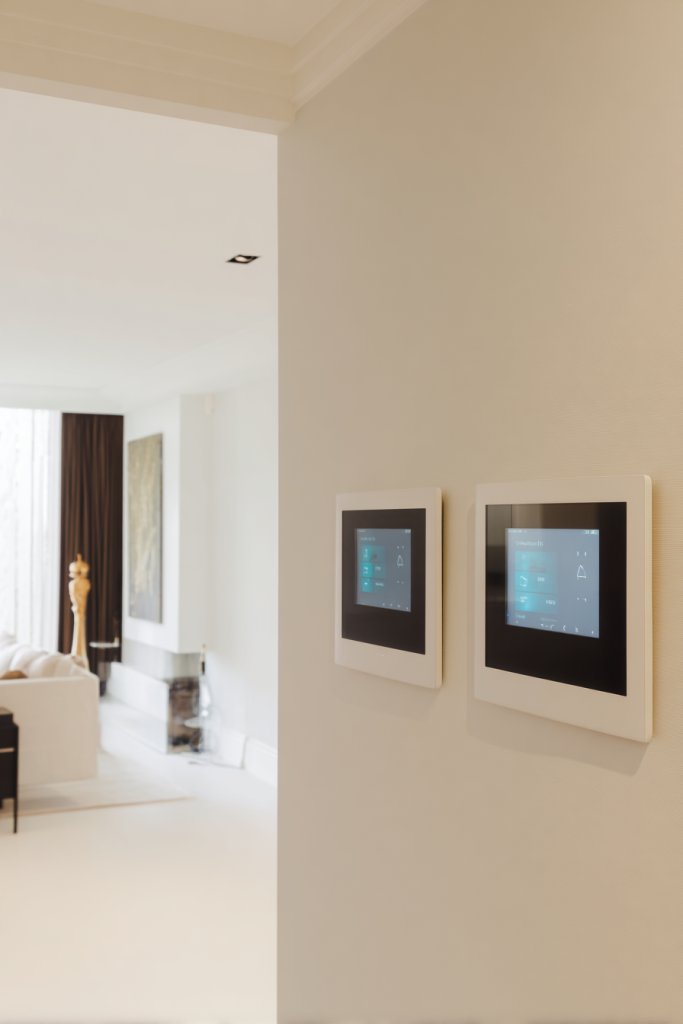
Imagine controlling your entire home with a tap or your voice—no more fiddling with switches or remotes. Smart home tech offers ultimate convenience, security, and energy savings, all wrapped into a sleek package. If you crave a home that’s truly connected and modern, this idea is your next step.
Picture a sleek control panel or a smartphone app that adjusts lighting, thermostats, and security cameras. Voice commands activate blinds, lock doors, or play music, creating a seamless living experience. Sensors detect movement to turn lights on or off automatically. The home responds intuitively, making daily routines simpler and more efficient.
Choose systems compatible with voice assistants like Alexa, Google, or Siri. Opt for discreet sensors and controllers that blend into your decor—hidden in walls or behind panels. For energy efficiency, integrate smart thermostats and lighting that adapt to your habits and schedule. Seasonal updates might include new voice commands or automation routines.
Start by assessing your current systems and identifying which devices can be upgraded. Consult with a smart home specialist for a customized setup. Prioritize secure, high-quality devices with good user reviews. Ensure your Wi-Fi network is robust enough to handle multiple devices. Professional installation can streamline wiring and integration, ensuring everything works smoothly. Test your system thoroughly before fully committing.
Create personalized routines such as morning wake-up, movie night, or away mode. Use decorative wall panels or artwork to hide and house tech components attractively. Incorporate voice-activated scenes that adjust multiple settings at once for different moods. Keep software updated to benefit from new features and security patches.
Smart technology turns your home into a futuristic haven, making life easier and more secure. It adds value and convenience, impressing guests and simplifying your daily routines. Once set up, you’ll wonder how you ever lived without it. Ready to embrace the future?
12. Artistic Concrete or Metal Accent Walls
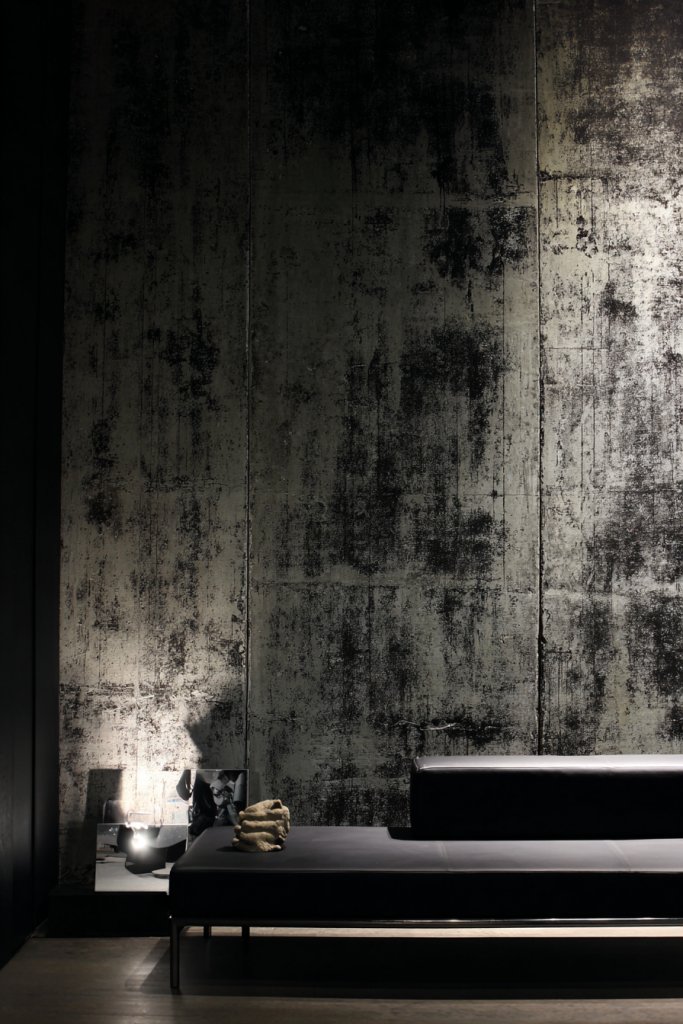
Looking for a bold way to add character to your space? Accent walls made of concrete or metal are the perfect statement pieces that evoke modern industrial charm. They break up monotony and add texture and depth without overwhelming the room. If you love edgy, artistic touches, this idea will elevate your decor.
Visualize a living room with a smooth, polished concrete wall that contrasts with soft textiles and warm lighting. Or imagine a wall clad in brushed metal panels that reflect light and create a striking focal point. These surfaces add a tactile, rugged feel, transforming a plain wall into an eye-catching feature that commands attention. Layered with minimalist furniture, the effect is sleek and daring.
Choose between raw, textured finishes or smooth, polished surfaces depending on your style. Incorporate subtle color accents or leave the concrete or metal exposed for an industrial vibe. These walls work well in open-plan layouts or as a backdrop for a fireplace or entertainment unit. Seasonal decor can be added with textiles or artwork that contrast or complement the wall.
Work with a skilled contractor or specialist to install these surfaces properly. For concrete, professional pouring and sealing ensure durability and a refined finish. Metal panels require precise measurements and secure fastening, often with hidden fasteners for a seamless look. Consider protective coatings to prevent corrosion or staining. Budget accordingly for high-quality materials and expert installation to achieve a flawless result.
Personalize with textured finishes like exposed aggregate or colored concrete. Add lighting—such as wall washers or directional spots—to emphasize the wall’s texture. Pair with minimalist decor to let the wall stand out, or add contrasting textiles and accessories for a layered look. Custom metal patterns or etched designs can add unique artistic flair.
Accent walls crafted from concrete or metal inject a modern, industrial edge into your home. They serve as conversation starters and showcase your bold taste. When done well, they elevate your design from basic to breathtaking. Ready to make a statement?
13. Built-In Shelving and Niche Displays
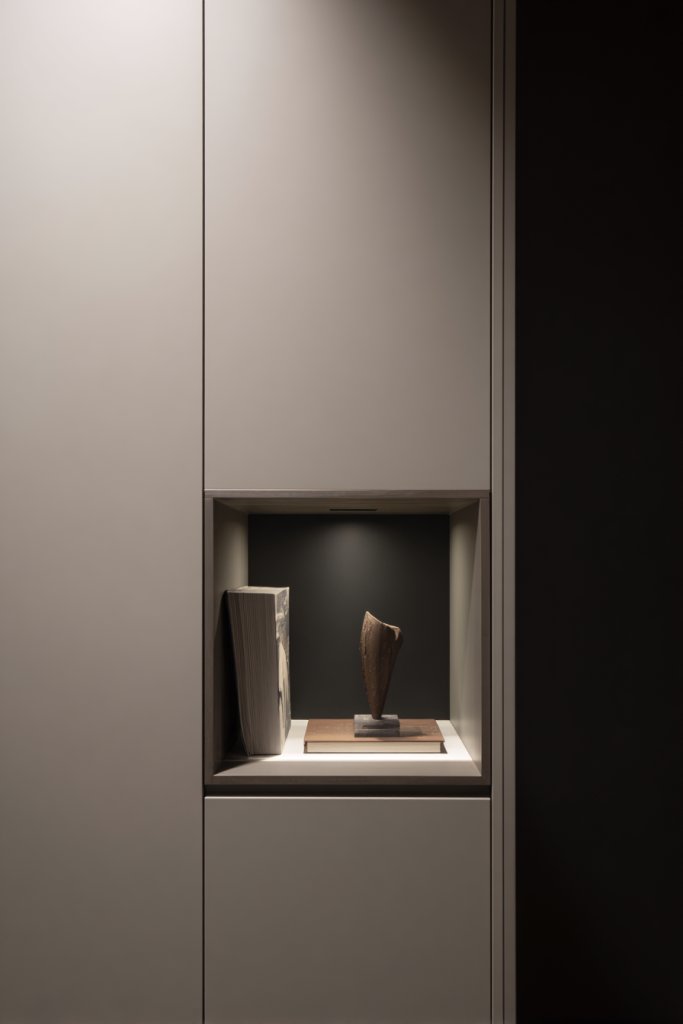
Cluttered spaces make your home feel chaotic and less inviting. Built-in shelving and niche displays solve this problem by providing stylish, organized storage solutions. They maximize wall space and create opportunities for displaying personal items or decorative elements. If you love clean lines and integrated design, this idea is a win.
Imagine a sleek wall with floating shelves that hold books, ceramics, or art pieces, all integrated into the architecture. Niche displays are recessed wall sections that can house small sculptures or feature lighting. The result is a seamless, clutter-free surface that adds visual interest and functional storage. The consistent design language makes your home look curated and modern.
Choose from open shelves, closed cabinets, or a combination depending on your storage needs. Material options include wood, glass, or metal, often combined for contrast. Use lighting within niches to highlight objects or create ambiance. For small spaces, vertical built-ins maximize storage without encroaching on floor area. Seasonal decor updates are easy by swapping displayed items.
Work with a carpenter or architect to plan the dimensions and placement that suit your space. Use high-quality materials that match your overall decor—think warm woods or sleek laminates. Ensure proper support and anchoring, especially for heavier shelves or cabinets. Finish with paint, stain, or veneer for a cohesive look. Incorporate lighting elements during installation to enhance displays.
Customize your shelves with decorative brackets, textured backs, or contrasting colors. Use a mix of open and closed storage to hide clutter while showcasing special items. Add LED strip lighting or spotlights for dramatic effect. Personalize with curated collections that reflect your style and interests.
Built-in shelving elevates your home’s design by combining form and function seamlessly. It helps you organize beautifully while adding architectural interest. Once integrated, these features make your space feel more intentional and polished. Ready to optimize your walls?
14. Contemporary Ceiling Designs with Hidden Lighting
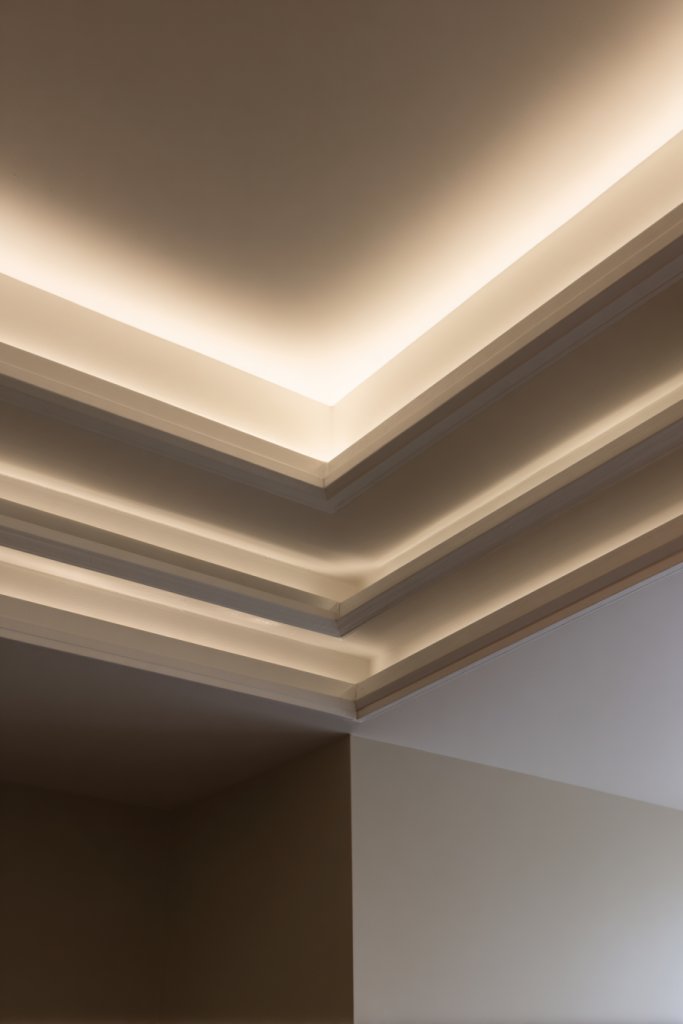
Ceilings are often overlooked, yet they hold incredible potential for adding visual interest. Contemporary ceiling designs with hidden lighting create an elegant, layered effect that elevates your entire space. They add depth, warmth, and a touch of luxury without clutter. If you love subtle sophistication, this idea will transform your ceilings.
Imagine a ceiling with a tray or false design, where concealed LED strips emit a soft glow around its perimeter. Alternatively, a ceiling with geometric inlays or textured panels creates a sculptural focal point. The indirect lighting casts a warm, inviting ambiance that changes with mood and time of day. It’s like having a piece of art right above your head.
Choose from sleek, minimalist false ceilings or elaborate geometric patterns depending on your style. Incorporate color-changing LED strips for versatile ambiance. Use textured panels or wood inlays for added warmth and visual interest. Seasonal accents like metallic finishes or reflective surfaces can enhance the effect. Keep lighting subtle to preserve the modern, understated look.
Consult with an experienced interior designer or contractor to plan the ceiling layout. Install a false ceiling frame that supports the lighting and materials chosen. Embed LED strips or spotlights during construction, ensuring proper wiring and insulation. Use dimmers and controllers to adjust brightness and color temperature. Finish with paint or panels that complement the room’s decor.
Add decorative moldings, textured panels, or metallic accents to personalize the ceiling. Incorporate smart lighting controls for different scenes or moods. Use reflective surfaces or glossy finishes to bounce light and increase brightness. Play with shapes and layers to create a ceiling that is both functional and artistic.
A well-designed ceiling transforms your entire space, making it feel more luxurious and thoughtfully crafted. It’s a subtle detail that makes a big impact, elevating your home’s style. Once realized, it becomes a signature feature that impresses everyone. Ready to take your ceilings to the next level?
15. Compact Home Offices with Modern Ergonomics
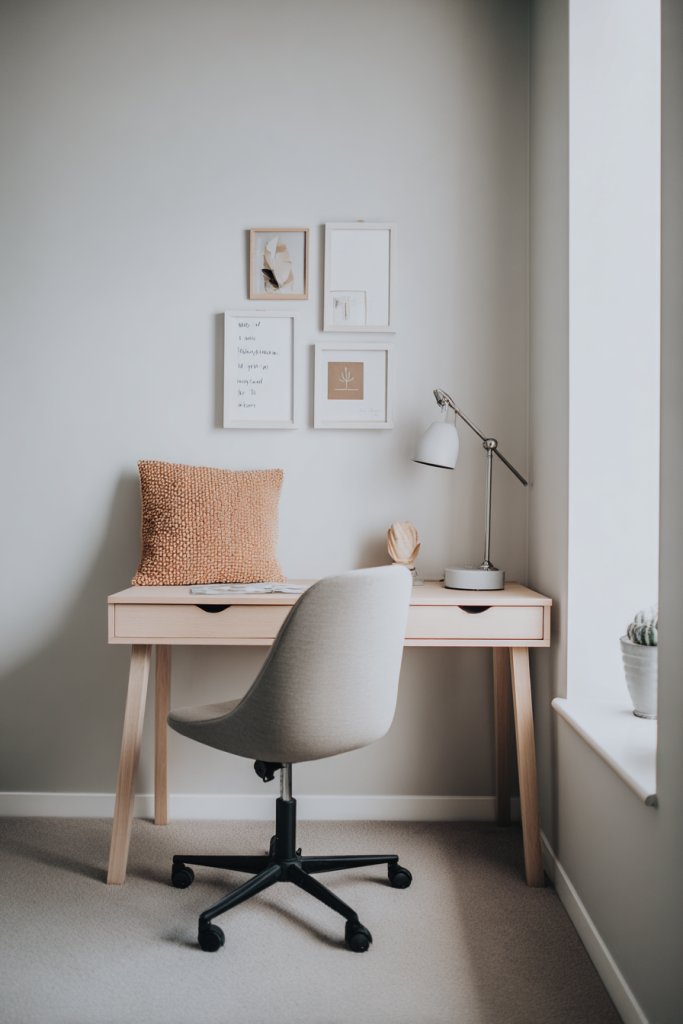
Working from home is great until your space feels cramped and uninspiring. A modern, ergonomic home office promises productivity and comfort without sacrificing style. It’s about creating a dedicated workspace that motivates you and fits seamlessly into your home environment. If you want to crush your workday with ease, this idea is essential.
Visualize a sleek desk with a minimalist design, paired with an ergonomic chair that supports your posture. Floating shelves hold your essentials without cluttering your space. Natural light floods the room, complemented by layered task lighting. The color palette is calming—muted neutrals or cool tones—designed to enhance focus and reduce stress.
Choose compact desks with built-in storage or foldaway options for smaller spaces. Incorporate adjustable-height desks or ergonomic chairs for comfort. Decorate with inspiring artwork or textured textiles to personalize without clutter. Seasonal updates might involve swapping out textiles or adding plant-free greenery like sculptural decor.
Start by assessing your space and defining your work needs. Select furniture that combines style with ergonomic features—look for adjustable height, lumbar support, and quality materials. Use cable management solutions to keep cords tidy. Incorporate good lighting—preferably natural, with layered task and ambient lights. Keep surfaces clear and organized to foster productivity.
Add personal touches like a stylish desk pad, functional organizers, or a statement chair. Use decorative accents like textured wall panels or modern art to create a motivating environment. Incorporate smart tech, such as wireless chargers or voice-controlled devices, for convenience. Keep the space inspiring yet clutter-free.
A well-designed home office boosts your productivity and mental well-being. It signals professionalism and personal commitment to your work. When your workspace fits your style and needs, you’ll feel more motivated. Ready to create a workspace that works for you?
16. Eco-Friendly and Sustainable Design Elements
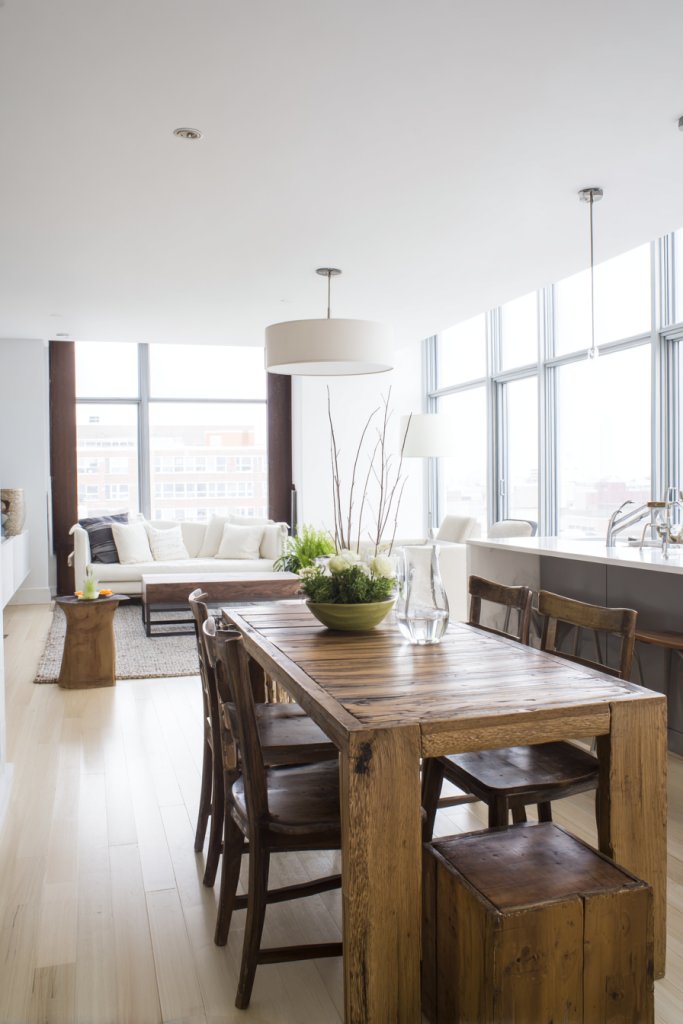
Concerned about your environmental impact but still want a stylish, modern home? Incorporating eco-friendly elements helps reduce your carbon footprint while showcasing innovative design. From energy-efficient appliances to recycled materials, sustainability is more accessible than ever. If green living excites you, this idea aligns style with responsibility.
Imagine solar panels seamlessly integrated into your roof, complemented by reclaimed wood furniture and low-VOC paints. Natural fiber textiles and recycled glass decor add texture and color without harming the planet. The overall aesthetic feels fresh, vibrant, and responsible. It’s a home that reflects your values while being visually stunning.
Use sustainable materials like bamboo, cork, or reclaimed wood for flooring and cabinetry. Incorporate energy-efficient appliances and smart systems to minimize consumption. Seasonal updates could involve swapping out textiles for organic cotton or hemp. Design choices also include water-saving fixtures and rainwater harvesting systems. The key is blending eco-consciousness with your unique style.
Start with an audit of your current home’s energy use and materials. Choose eco-friendly products with certifications like FSC or Energy Star. Work with specialists to integrate solar or wind energy solutions. Use non-toxic paints, adhesives, and finishes to improve indoor air quality. Reuse or repurpose existing furniture where possible. Budget for installation and ongoing maintenance to ensure long-term sustainability.
Add personal flair with handcrafted, sustainable decor or textiles. Incorporate living walls or vertical gardens—if plant restrictions don’t apply—to bring in natural elements. Use eco-friendly lighting options like LED or solar-powered fixtures. Highlight your commitment with labels or signage showcasing your eco choices, inspiring others.
Sustainable design isn’t just good for the planet; it creates healthier, more inspiring spaces. Your home becomes a statement of responsibility and style. When you align your living space with your values, it boosts your pride and motivation. Ready to make your home greener?
17. Artistic, Abstract Area Rugs and Textiles
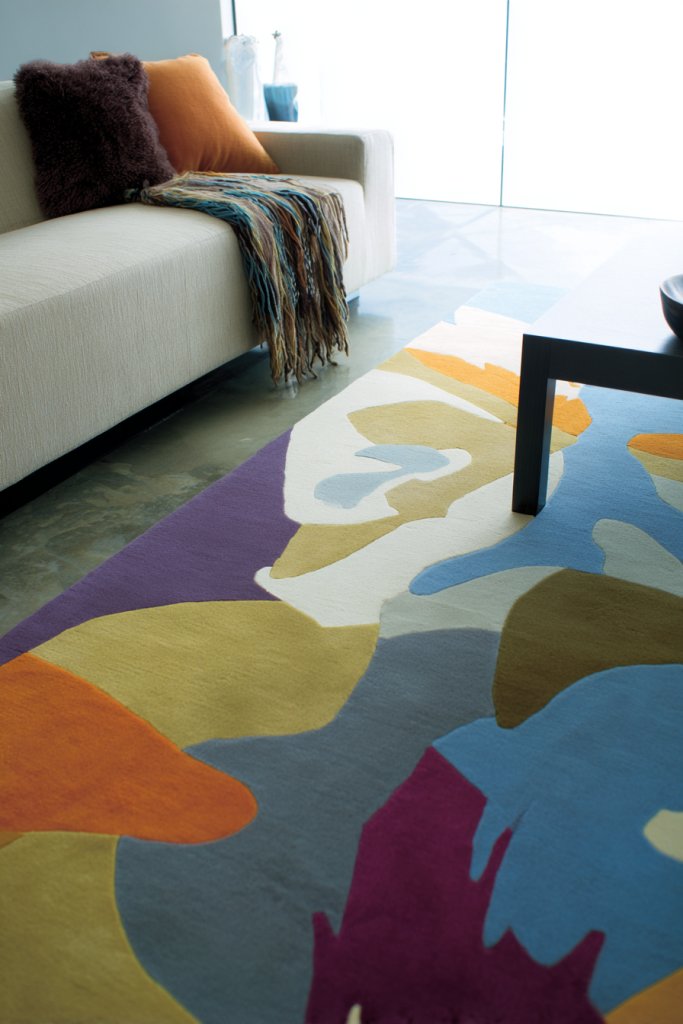
Plain floors can make a room feel dull or sterile. Artistic, abstract rugs and textiles add color, texture, and personality, transforming your space into an artful haven. They serve as focal points that anchor your decor and inject energy into the room. If you love bold designs, this idea will inspire you.
Picture a living room with a large, abstract rug featuring geometric shapes in bold hues. Layered with textured cushions and throws, the space feels lively yet sophisticated. The rug’s design echoes the artistic theme, tying together furniture and decor. Natural or artificial lighting highlights the vibrant patterns and textures, creating a dynamic environment.
Choose rugs with abstract patterns, vibrant colors, or muted tones depending on your style. Pair with textiles like textured throws, embroidered cushions, or woven wall hangings to extend the artistic vibe. For minimalist spaces, select a statement rug as the focal point. Seasonal updates can include swapping out textiles for different colors or patterns.
Select high-quality, durable rugs suited for your space—consider fiber type, pile height, and pattern. Professional cleaning or precise placement can keep the rug looking fresh. Layer rugs for added texture or use runners to guide flow. Coordinate colors with your existing furniture and decor, ensuring harmony. Regular maintenance preserves vibrancy and fabric integrity.
Mix and match textiles with different patterns and textures for a curated look. Frame or stretch textiles like woven wall art or tapestries for a personalized touch. Use accent cushions with abstract prints or embroidery. Incorporate metallic or glossy finishes to add a touch of luxe and modernity.
Abstract textiles ignite creativity and add a distinctive flair to your home. They reflect your personality and make your space memorable. When chosen thoughtfully, they elevate the entire decor scheme. Ready to turn your floors and walls into a gallery?
18. Zen-Inspired Bathroom Retreats with Floating Vanities
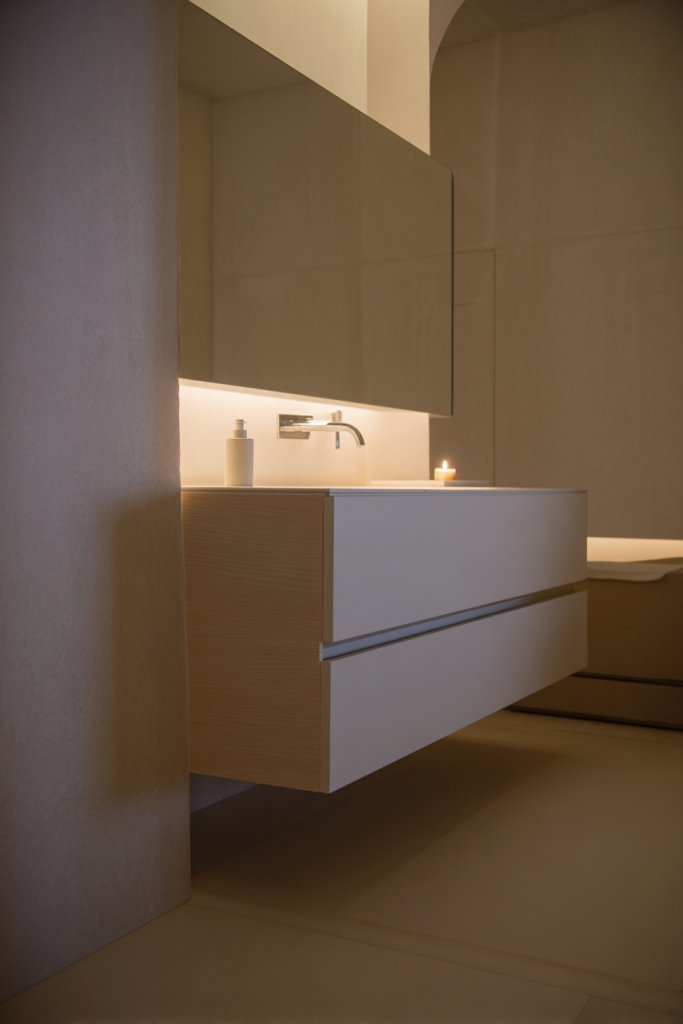
Bathrooms should be sanctuaries, not stressful spaces. Zen-inspired retreats focus on simplicity, tranquility, and minimalism, turning your bathroom into a calming escape. Floating vanities add to this serenity by creating a sleek, unencumbered look that feels spacious and uncluttered. If relaxation is your goal, this idea will help you achieve it.
Imagine a bathroom with a floating vanity in smooth, matte stone or wood, with clean lines and minimal hardware. The neutral color palette, combined with soft, ambient lighting, creates a peaceful atmosphere. A walk-in shower with a frameless glass enclosure and pebble flooring completes the Zen vibe. The space feels open, airy, and designed for unwinding.
Opt for natural materials like bamboo, stone, or wood for vanities and accessories. Keep decor minimal—think a simple soap dispenser or a small, sculptural element—avoiding clutter. Incorporate large mirrors to enhance the sense of space and light. Seasonal updates could involve changing textiles or adding subtle accents in calming hues.
Work with a contractor experienced in modern bathroom design. Choose floating vanities with sturdy mounting hardware and water-resistant finishes. Prioritize waterproof lighting and moisture-resistant materials. Use seamless, grout-free surfaces for easy cleaning. Incorporate under-vanity lighting or hidden LED strips for a soft glow. Budget for plumbing adjustments and professional installation to ensure safety and durability.
Add textured wall panels or subtle tile patterns to create visual interest without clutter. Use minimalist accessories and organic shapes for decor. Incorporate a small, sculptural element or a single piece of calming art—if restrictions allow—to personalize the space. Keep the decor simple and functional, emphasizing quality over quantity.
A Zen-inspired bathroom not only elevates your home’s aesthetic but also enhances your well-being. It’s a daily retreat that refreshes your mind and body. Once you experience the tranquility, you’ll want to extend this feeling throughout your home. Ready to create your personal sanctuary?
19. Vertical Gardens and Green Walls for Indoor Plants
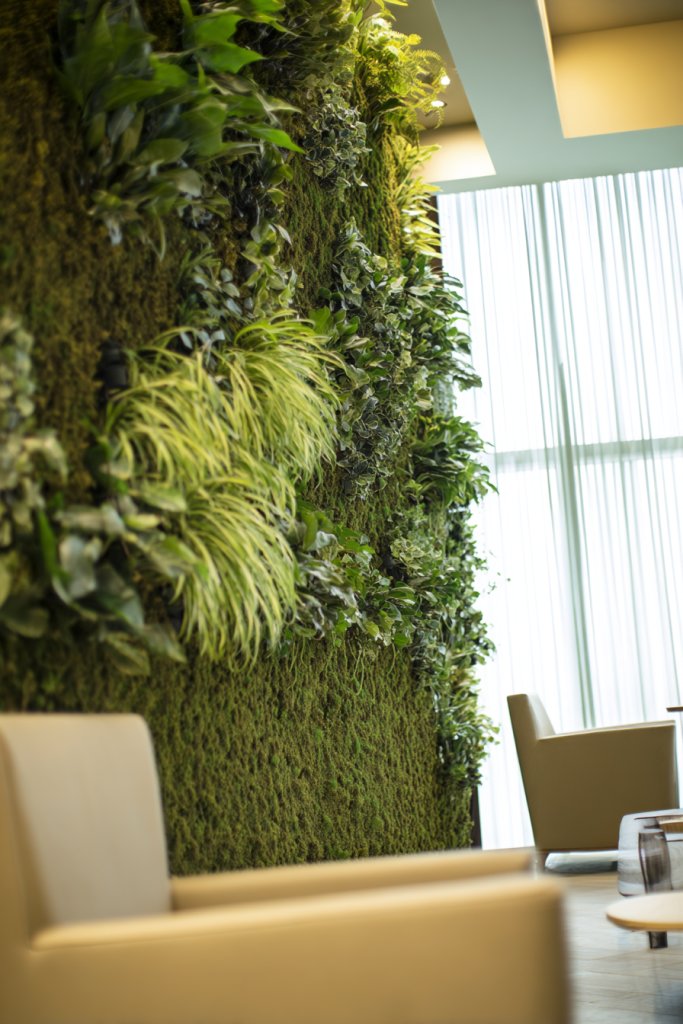
Want to bring nature inside but don’t have outdoor space? Vertical gardens and green walls are stylish, space-efficient ways to introduce lush greenery into your home. They improve air quality and add vibrant, living decor that energizes any room. If you crave a natural, calming environment, this idea delivers.
Picture a living wall with a mosaic of small, colorful plants thriving in modular panels. The lush greenery climbs up a blank wall, creating a vibrant focal point. The varied textures and shades of green add depth and movement, making the space feel alive. Proper lighting accentuates the plants, creating a soothing, natural ambiance.
Choose low-maintenance plants suited for indoor conditions—ferns, succulents, or air plants. Use modular systems that allow customization and expansion over time. Incorporate lighting specifically designed for plant growth, such as LED grow lights. Seasonal updates can involve swapping plants or adding decorative elements around the wall.
Work with a specialist to design and install the green wall system, ensuring proper irrigation and drainage. Select a panel system compatible with your space and lighting conditions. Use non-toxic, sustainable materials for the structure. Incorporate automated watering systems for ease of maintenance. Regular pruning and replacing plants keep the wall vibrant and healthy.
Personalize with decorative containers, sculptural plant supports, or contrasting wall finishes. Use lighting to highlight the greenery and create mood. Incorporate small sculptures or artwork around the wall to complement the natural theme. Maintain a regular care routine to keep the plants thriving.
Vertical gardens transform blank walls into lush, calming retreats. They bring a touch of the outdoors inside, fostering well-being and air quality. With proper planning, they’re easier to maintain than you think and make your home uniquely vibrant. Ready to grow your green sanctuary?
20. Modular Furniture for Flexible Living Spaces
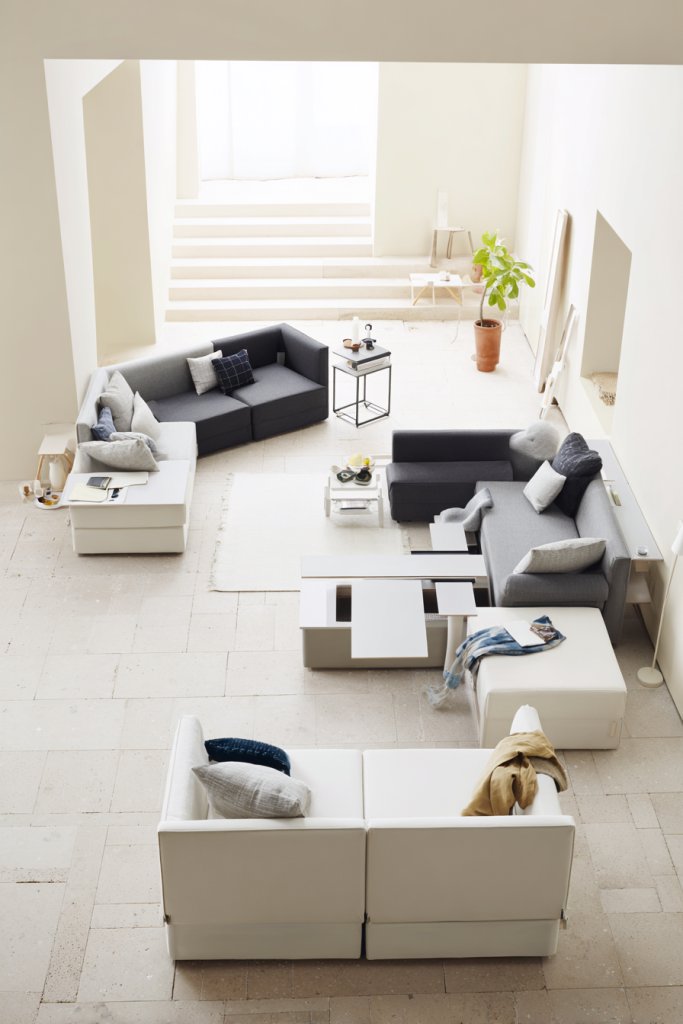
Living spaces that adapt to your needs are more functional and fun. Modular furniture allows you to reconfigure your home on the fly, whether you’re hosting guests, working, or relaxing. It’s a flexible solution perfect for dynamic lifestyles. If you love customizing your environment, this idea is a game-changer.
Imagine a set of sofa modules that can be arranged into a sectional or separate seating areas. A coffee table with removable or extendable sections adapts to different occasions. Shelving units that can be stacked or separated provide tailored storage. The furniture’s sleek, minimalist design complements various interiors, offering both form and function.
Choose neutral colors and simple shapes for maximum versatility. Incorporate wheels or lightweight materials for easy reconfiguration. Use modular pieces to create distinct zones in open-plan layouts or small apartments. Seasonal changes might involve swapping covers or adding textiles to match your mood or decor.
Assess your space and list your needs—seating, storage, or both. Research modular systems that suit your style and budget. Prioritize quality materials that withstand frequent reassembly. Use clear measurements and plan your layout before purchasing. Professional assembly can ensure stability and safety, especially with heavier modules. Maintain flexibility by choosing lightweight, durable pieces.
Add personal touches with colorful cushions, textured covers, or decorative panels. Use multifunctional components like hidden compartments or fold-out beds. Incorporate lighting or decorative accents that highlight the modular design. Keep your setup fresh by rearranging periodically or swapping out modules.
Modular furniture empowers you to design a space that evolves with your lifestyle. It combines practicality with style, making your home more adaptable and inviting. Once you experience the versatility, you’ll see how it transforms daily living. Ready to reconfigure your home?
21. Statement Entryways with Modern Doors and Hardware
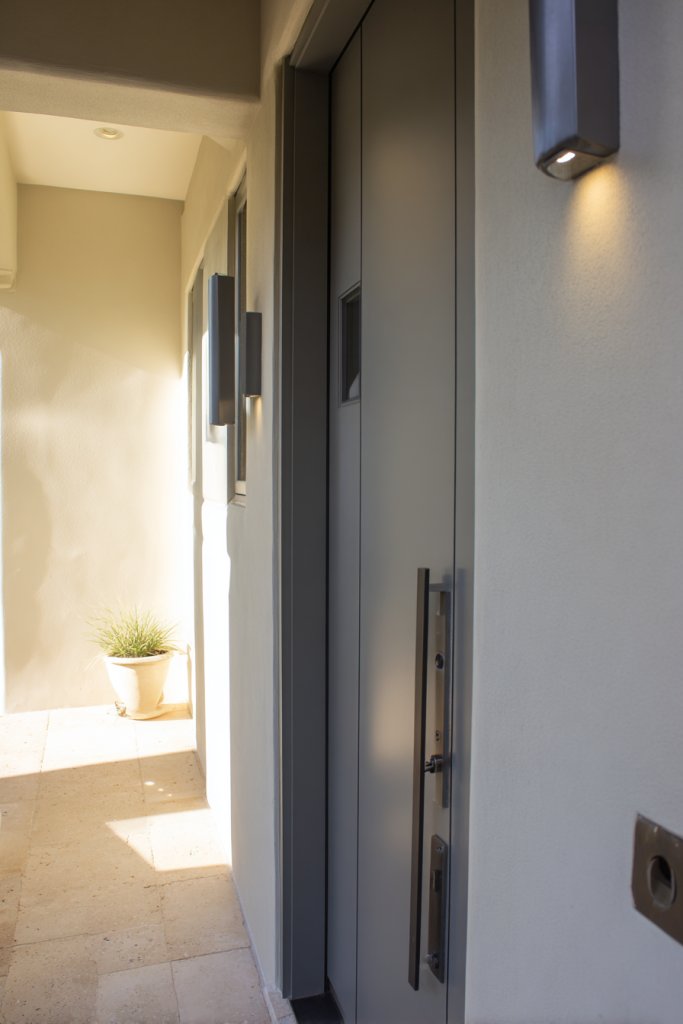
First impressions matter, especially when it comes to your home’s entrance. A modern, statement door sets the tone for your entire interior. Coupled with sleek hardware, it creates an inviting yet sophisticated vibe. If you want your entryway to wow guests and boost curb appeal, this idea is essential.
Picture a bold, minimalist front door in matte black or vibrant color, with clean lines and seamless hardware. The handle and lock are sculptural, contrasting or complementing the door finish. The entrance is framed by simple lighting fixtures or subtle architectural details. The overall effect is both modern and welcoming, making every arrival special.
Choose from flush, pivot, or barn-style doors depending on your style. Incorporate high-quality hardware—brushed nickel, matte black, or brass—to add visual interest. Seasonal updates might involve changing accessories like door mats, lighting, or decorative hardware accents. Incorporate subtle lighting to highlight the door’s design at night.
Work with a trusted carpenter or door specialist to select and install your statement entry door. Ensure the hardware is durable and complements your overall aesthetic. Reinforce the frame for security and insulation. Choose hardware that is easy to operate yet adds style—think sleek handles, modern knockers, or electronic locks. Budget for proper sealing and finishing for weather resistance.
Personalize with decorative plaques, door numbers, or custom handles that reflect your style. Use lighting fixtures that add drama and visibility at night. Add seasonal wreaths or door decals that can be swapped out easily. Keep the entryway clutter-free to enhance the statement of your door.
A striking entryway invites curiosity and elevates your home’s curb appeal. It’s an easy update that makes a big impact and showcases your design taste. Once you see the transformation, you’ll be eager to extend this modern theme throughout your home. Ready to make your entrance unforgettable?
Conclusion
The variety of modern house design ideas presented here provides a wealth of options to transform your living space into a sleek, comfortable sanctuary. By experimenting with these styles, you can craft a home that is both functional and visually stunning. Don’t hesitate to incorporate these ideas and make your dream contemporary home a reality—your perfect space awaits!
