There’s something irresistibly calming about a clean, uncluttered space that makes the everyday feel like a breath of fresh air. The Clean Room Aesthetic has gained immense popularity for its simplicity, serenity, and effortless elegance—perfect for anyone looking to create a peaceful retreat at home.
In this article, you’ll find a variety of inspiring ideas to help you achieve that pristine, minimalist look. From soothing color palettes to clever storage solutions, these tips will guide you in designing a space that feels open, inviting, and uniquely yours.
1. Embrace Neutral Color Palettes for a Serene Atmosphere
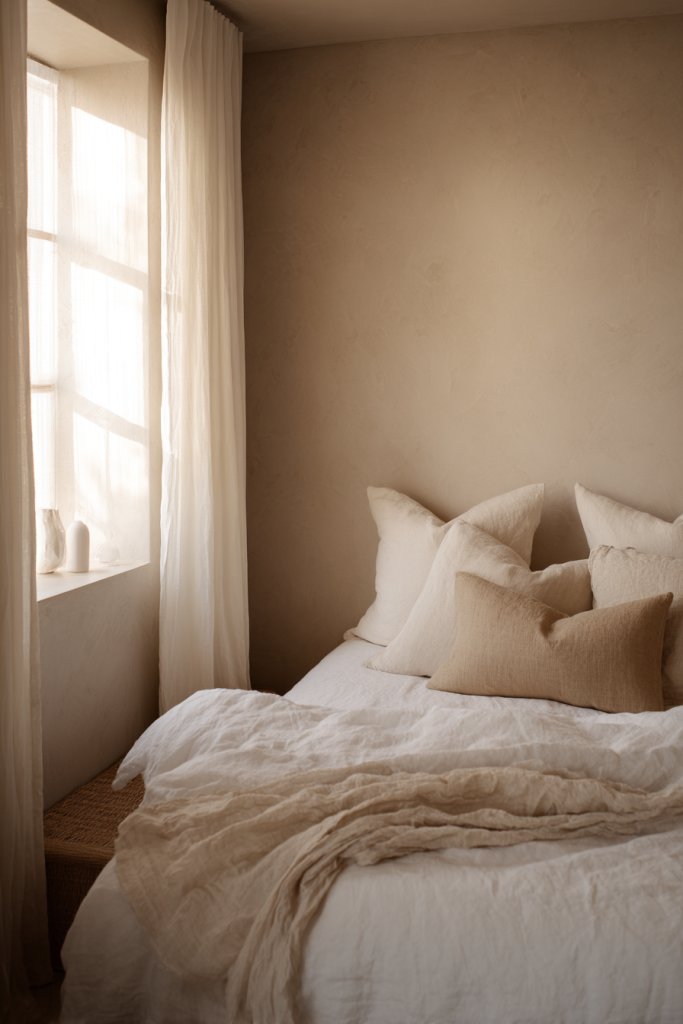
Ever wish your space felt more calming and less chaotic? Sometimes, bright or cluttered rooms just don’t do it for your mental health. Neutral color palettes offer a way to create a peaceful oasis where you can breathe easy. If you crave simplicity and serenity, this idea might be just what you need to transform your space.
Picture a room bathed in soft whites, warm beiges, and gentle light grays. The walls vanish into a calming backdrop, while subtle textures like a cozy knit throw or a plush rug add tactile softness. Natural light gently filters through sheer curtains, bouncing off these muted tones and making everything feel brighter and more spacious. The overall vibe is a quiet, restful retreat you’ll want to linger in.
Switch up the shades depending on your mood or season—think warm taupes for winter or cool creams for summer. You can also layer different textures within the same color palette, like linen, cotton, and wool, to add depth. For smaller rooms, sticking to light hues helps open up the space, while darker neutrals work well for creating cozy corners in larger rooms. The key is consistency but also flexibility to match your personality.
Start by selecting a base color—white, beige, or gray—and build from there. Invest in quality paint in matte or eggshell finishes for a smooth, soft look. Complement these with neutral-toned furniture, like oak or ash wood, which adds warmth without overpowering. Keep decor minimal, focusing on simple shapes and clean lines. Use soft textiles, such as cotton or linen curtains and bedding, to enhance the tactile experience. Remember, less is more when aiming for a tranquil aesthetic.
Add your personal touch with subtle variations—perhaps a textured throw pillow or a woven basket in a similar hue. Incorporate metallic accents like brushed nickel or matte black hardware to add a modern touch without disrupting the calm. You could also introduce a hint of color through small accessories, like a soft cream throw blanket with chunky knit texture. Personalizing with meaningful objects keeps the space cozy and uniquely yours.
Neutral palettes are timeless and versatile, making your space feel peaceful and stylish at the same time. They also serve as a perfect backdrop for changing your decor seasonally or whenever you feel like a refresh. Once you embrace these tones, you’ll find your room becomes a sanctuary that promotes relaxation and mindfulness—exactly what we all need more of.
2. Incorporate Sleek, Hidden Storage Solutions
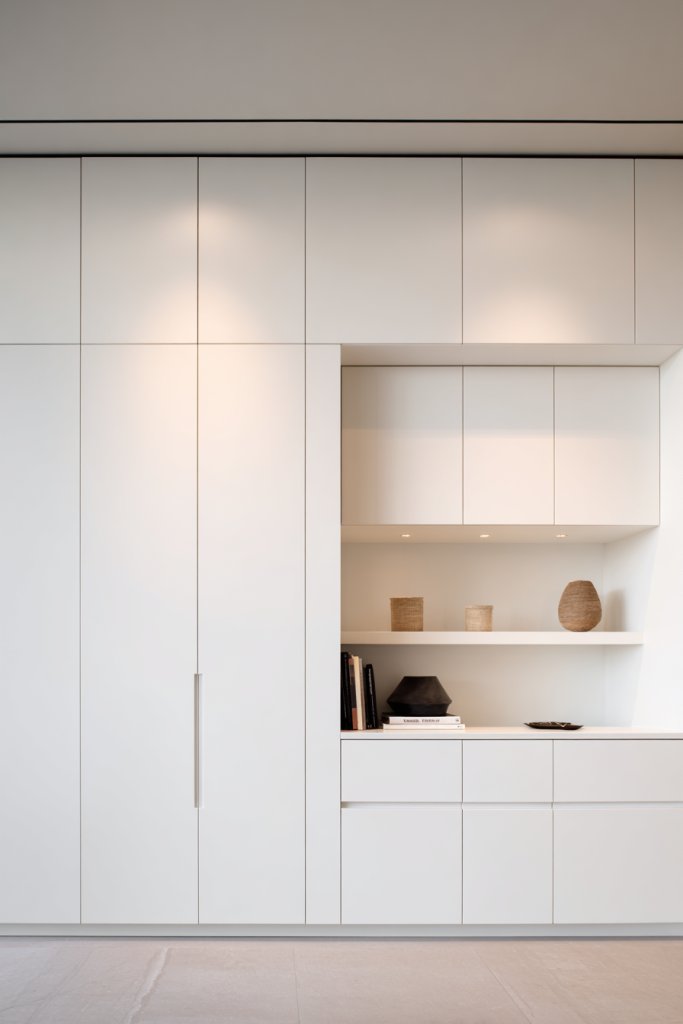
Clutter can turn even the most beautiful space into a chaotic mess. If you hate tripping over piles of stuff or constantly tidying, clever storage is your best friend. The idea is to keep things out of sight without sacrificing style, making your room look effortlessly organized. Sound too good to be true? It’s easier than you think to hide away clutter.
Imagine sleek built-in shelves flush against the wall, seamlessly blending into the room’s design. Under-bed drawers slide effortlessly open to store seasonal clothing or extra bedding, while concealed compartments hide away those random odds and ends. The room maintains a minimalist aesthetic, with surfaces left clear and clean. When everything has a designated spot, the space feels calmer, brighter, and more inviting.
Choose furniture with integrated storage to suit your style—think modern with clean lines or Scandinavian-inspired with soft edges. For small spaces, vertical storage solutions like tall cabinets or hanging baskets maximize space without encroaching on floor area. In larger rooms, you can add decorative storage chests or sleek storage ottomans that double as seating. The key is balancing accessibility with minimal visual clutter.
Start by assessing what you need to store and where. Invest in furniture with built-in compartments or buy modular storage units that can be customized. Use materials like plywood, MDF, or laminate for DIY options, or opt for sleek commercial pieces. Mount shelves high on the wall to keep surfaces clear and use cable management for electronics. Regularly declutter to prevent storage from becoming a hidden junk drawer.
Personalize storage with labels or decorative boxes that match your aesthetic, like soft fabric bins or wooden crates. Incorporate hidden drawers within your existing furniture or add a pull-out desk with concealed compartments for workspace needs. Use soft-close mechanisms to avoid noise and enhance the sleek feel. Custom touches make organization feel less like a chore and more like a design feature.
Hidden storage solutions drastically improve your space’s functionality while maintaining a clean look. They give you peace of mind knowing everything has a place and make cleaning less of a chore. Once you master this, your room will feel bigger, brighter, and more relaxing—perfect for unwinding after a long day.
3. Opt for Minimalist Furniture with Clean Lines
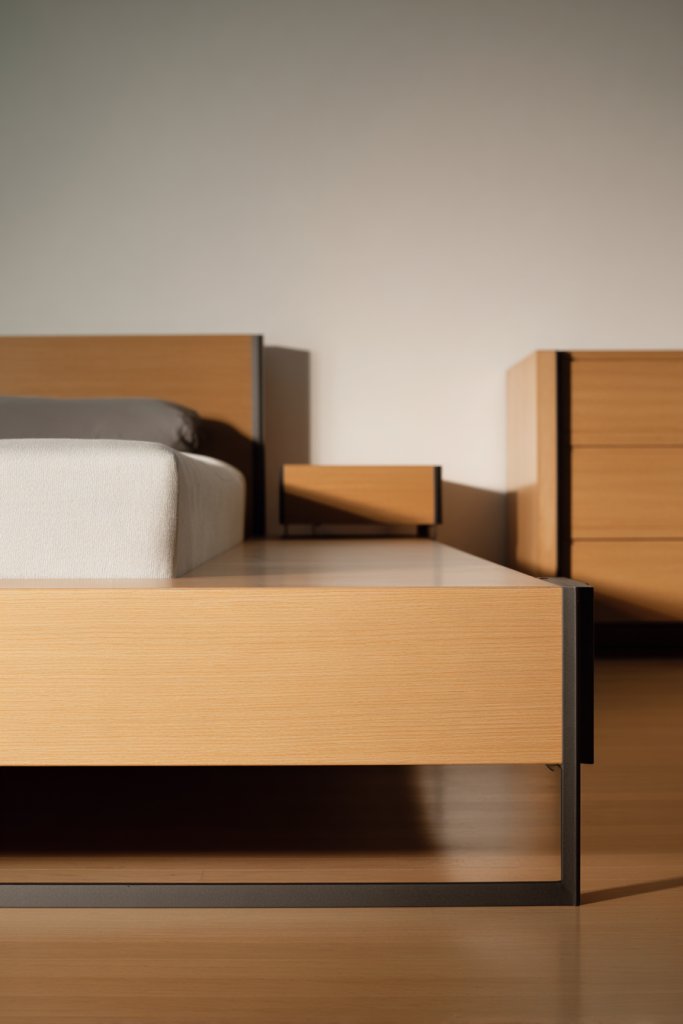
Ever walk into a room and feel overwhelmed by bulky, overstuffed furniture? Minimalist furniture strips down the clutter, focusing on function and form. It’s all about clean lines, simple shapes, and an airy feel that makes any space look larger and more organized. If you’re craving a modern, clutter-free vibe, this might just be your new best friend.
Picture a sleek platform bed with a low profile, a slimline desk, and streamlined chairs—all in natural wood or matte finishes. The absence of ornate details keeps the look crisp and fresh. When paired with neutral textiles and subtle hardware, the furniture feels almost like sculpture—functional art that doesn’t dominate the room. The overall effect is calming, balanced, and effortlessly stylish.
Choose furniture with multifunctional features like fold-out beds or hidden compartments for small spaces. For larger rooms, opt for statement pieces like a sculptural side table or a minimalist bookshelf that doubles as decor. You can also mix materials—metal, glass, wood—for a more dynamic look while maintaining simplicity. Seasonal decor can be added with textured throws or soft cushions for variety.
Start with a neutral color palette for furniture—think shades of beige, gray, or natural wood tones. Focus on quality over quantity, choosing pieces with clean, geometric shapes. Keep accessories to a minimum, and select furniture that’s proportionate to your space. Use tools like a measuring tape and level to ensure everything lines up perfectly. When assembling, double-check that all edges are smooth and joints tight for a sleek, polished finish.
Add personality with textiles like textured rugs, soft throws, or minimalistic cushions. Incorporate sculptural decor elements like a modern ceramic vase or a simple geometric sculpture. Personal touches such as a favorite color in small accents or a unique piece of textile art can bring warmth without cluttering. Keep the overall vibe consistent for a truly cohesive look.
Minimalist furniture isn’t just trendy—it’s practical and timeless. It allows your space to breathe, reducing stress and promoting clear thinking. As you curate your furniture selection, you’ll find your room becomes a sanctuary of simplicity and calm. It’s a style that adapts easily to changing tastes and seasons, making it a smart choice for long-term happiness.
4. Add Textured Bedding in Soft, Solid Tones

Does your bed look flat and uninspiring? Bedding sets the tone for your entire room, and choosing the right textures can make all the difference. Soft, solid tones help create a calming retreat, but adding subtle textures elevates the look without adding visual chaos. If you crave a restful sleep environment, this idea is worth exploring.
Imagine a crisp, monochrome duvet cover in a soft cream or muted gray, complemented by a chunky knit throw or a quilted blanket. The tactile textures invite you to touch and relax, while the uniform color palette keeps everything feeling cohesive. Layering different fabrics—like a silky sheet, a waffle-knit pillowcase, and a plush coverlet—adds depth and interest without cluttering the visual space. The result is a serene, inviting bed that feels luxurious yet simple.
Switch textures based on seasons—think lightweight linen for summer and plush faux fur for winter. Stick to solid colors for a minimal look, or subtly introduce tonal variations within the same hue for added dimension. Combine different textures like ribbed, quilted, or woven fabrics to keep the bed interesting. For small bedrooms, opt for a monochrome scheme to avoid overwhelming the space.
Choose high-quality bedding with a focus on natural fibers like cotton, linen, or bamboo for breathability and durability. Incorporate a variety of textures through blankets, pillow covers, and throws—preferably in matching tones. Layer your bedding thoughtfully—start with fitted sheets, add a duvet or comforter, then decorative pillows and throws. Keep accessories minimal but tactile to maintain the clean aesthetic. Regular washing and fluffing keep everything fresh and inviting.
Introduce personal touches, like embroidered pillowcases or textured throws that reflect your style. Mix and match textures to create a cozy nest, or keep it uniform for a sleek look. Consider adding a subtle pattern or a tone-on-tone stripe in your bedding for visual interest. Remember, the goal is comfort and calm—so choose textures that soothe and relax.
Textured bedding transforms a simple bed into a luxurious sanctuary. It’s an easy way to add personality without clutter or excess decor. Once you find the perfect combination, your sleep space will become your favorite retreat—an oasis of calm in your busy life.
5. Use Mirrored or Frosted Glass Elements to Maximize Light
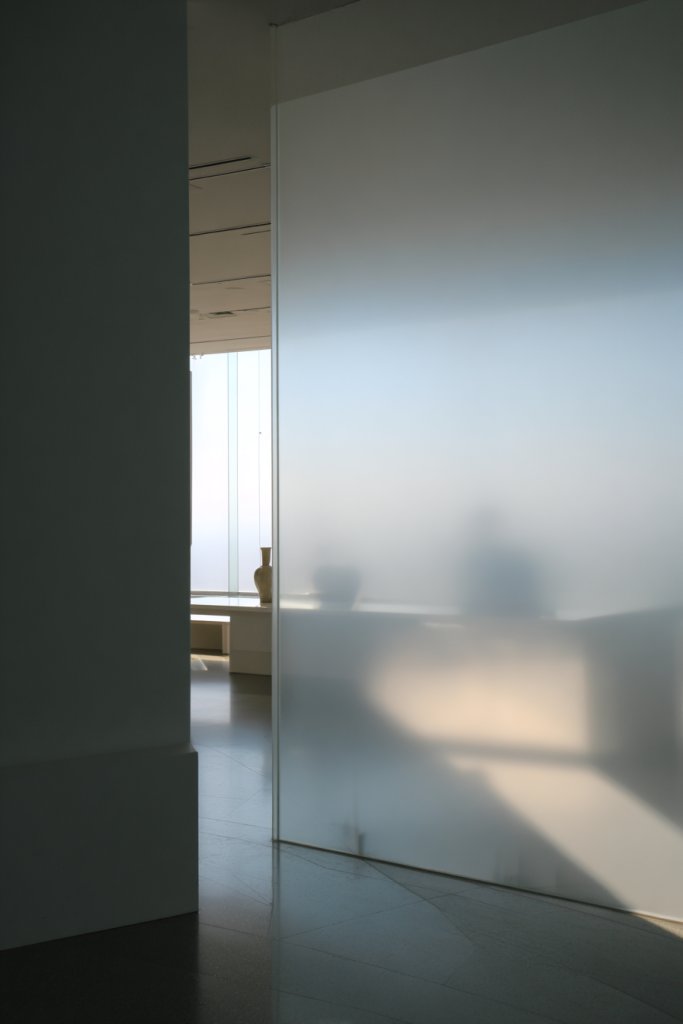
Feeling like your room is dark and cramped? Mirrors and glass elements can magically amplify natural light and create an illusion of space. They add a touch of elegance while helping your room feel brighter and more open. If you’re tired of feeling boxed in, incorporating reflective surfaces might be your new secret weapon.
Envision a large mirror with a sleek frame leaning against a wall or mounted flush to the surface. Frosted glass panels are integrated into sliding doors or partitions, diffusing light softly while providing privacy. Light bounces off these surfaces, filling every corner with a gentle glow. The reflective qualities visually expand the space, making even small rooms feel airy and inviting. The textures of frosted glass add a subtle softness that complements minimalist decor.
Use full-length mirrors in bedrooms or hallways to enhance space perception. Frosted glass can serve as room dividers or cabinet doors, adding privacy without sacrificing brightness. For a less permanent option, decorative mirrored trays or small glass accessories can subtly reflect light. Incorporate these elements into your existing furniture or walls for a seamless look adaptable to any style.
Select high-quality, frameless mirrors or frosted panels that suit your space. Mount mirrors at eye level for maximum impact, ensuring proper hardware for safety. For frosted glass, choose tempered options for durability, and install sliding or hinged doors as needed. Keep surfaces clean and streak-free to maintain their reflective brilliance. Position mirrors opposite windows or light sources to maximize brightness. Regularly clean glass surfaces with non-abrasive cleaners to preserve clarity.
Frame your mirrors with simple, sleek borders that match your decor’s hardware. Use frosted glass in creative ways—such as behind a vanity or as a decorative wall panel. You can also add LED backlighting behind mirrors for a modern glow that’s functional and stylish. Personalize by choosing shapes—round, rectangular, or geometric—that fit your aesthetic.
Mirrored and frosted glass elements are timeless and versatile. They instantly brighten your space and add an air of sophistication. Once you incorporate these reflective surfaces, your room will feel larger and more welcoming—perfect for relaxing or entertaining. It’s an easy upgrade that makes a big impact, boosting your confidence in your design choices.
6. Incorporate Open Shelving with Tidy, Curated Decor
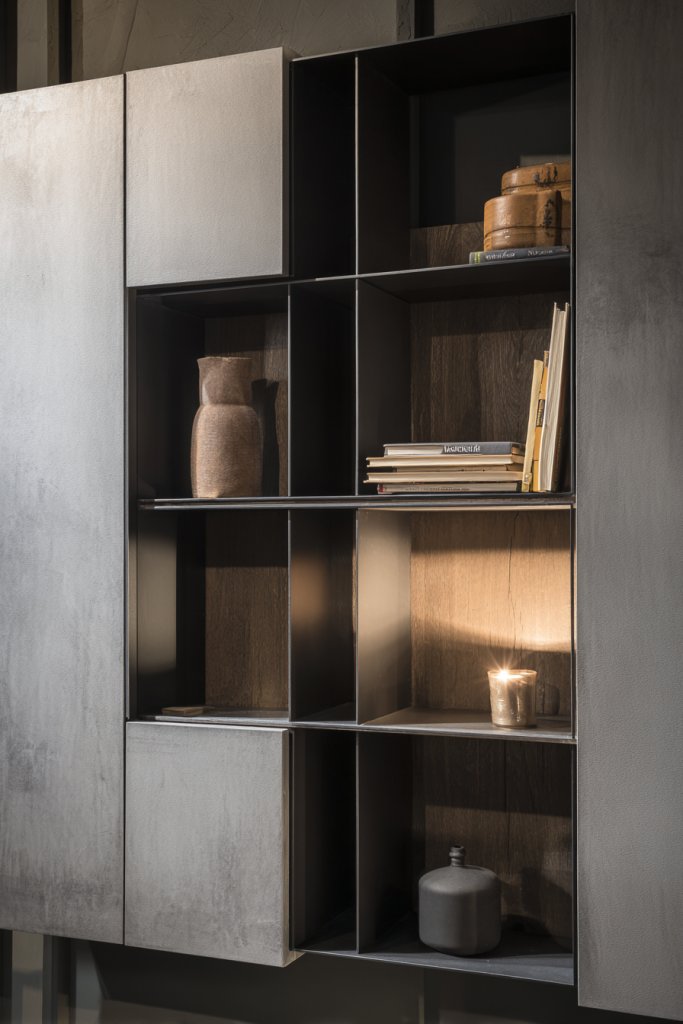
Cluttered surfaces can quickly ruin a clean aesthetic. Open shelving offers a way to display only what’s truly beautiful or useful, keeping your space feeling open and organized. The challenge is curating the right collection of items so your shelves look intentional and stylish—not chaotic. If you’re tired of hiding everything in drawers, this idea might just change your life.
Imagine floating shelves mounted on a wall, holding neatly stacked books, minimalist ceramics, or sleek storage boxes. The key is to keep the display simple—think a few well-chosen pieces per shelf. The open design allows light to flow freely, highlighting each item’s shape and texture. This approach creates visual interest without overwhelming the room, turning your walls into a focal point that’s both functional and pretty.
Use open shelving in kitchens, bathrooms, or living rooms, adjusting the style to your needs. For a minimalist look, stick to monochrome or neutral tones, adding a few statement pieces. For more personality, mix textures and shapes, but avoid cluttering the space. Adjustable shelves or modular units make customization easy, allowing you to change your display as your tastes evolve.
Choose sturdy, wall-mounted shelves made of wood, metal, or composite materials that match your aesthetic. Install with proper anchors for safety, especially if holding heavier items. Curate your display by selecting items that are visually cohesive—think geometric shapes, muted colors, or natural textures. Keep items organized in baskets or containers for quick tidying. Regularly review and swap items to keep the look fresh and intentional.
Add personal touches with small art objects, vintage finds, or decorative boxes that fit your style. Incorporate LED strip lighting underneath shelves for ambient glow. Use labels or tags for a curated shop-like feel, or keep it minimalist with just a few select items. This approach encourages a thoughtful display that’s both beautiful and functional.
Open shelving helps your space feel more open and inviting, while showcasing your personality. It’s a simple way to add depth and interest without clutter. With a little effort in curating your collection, your room transforms into a stylish, organized haven you’ll love spending time in.
7. Install Recessed or Track Lighting for a Soft, Even Glow
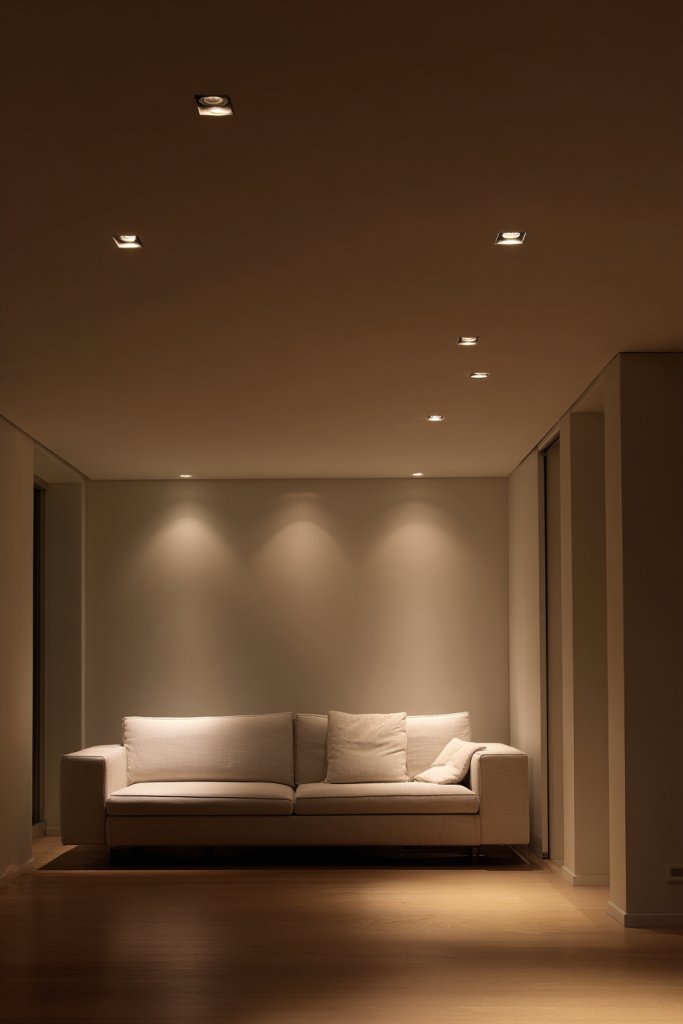
Harsh overhead lighting can make a room feel sterile and uninviting. If you want a cozy, warm ambiance that’s perfect for relaxing or working, lighting is the secret. Recessed or track lighting offers a sleek, unobtrusive way to illuminate your space evenly without cluttering the ceiling. Ready to ditch those bulky lamps? This idea might be just what you need.
Imagine a series of slim, discreet lights installed flush with the ceiling, casting a gentle glow across the room. Track lighting allows you to adjust the direction and focus of each light, highlighting specific areas or creating a layered lighting effect. The soft illumination minimizes shadows and creates a welcoming atmosphere. The clean lines of these fixtures blend seamlessly into your ceiling, making the space feel larger and more polished.
Choose dimmable options to control brightness and mood. Use warm white bulbs to create a cozy glow, or cooler tones for a modern feel. For different rooms, customize the layout—install a single ceiling fixture in a small space or multiple adjustable heads in larger areas. You can also combine recessed lighting with accent lights for added depth.
Start by planning the layout with a professional or using a lighting design app. Select fixtures that match your style—sleek metal, matte black, or brushed nickel. Hire an electrician to install recessed lights or track systems safely, especially if wiring is involved. Use soft, warm bulbs to enhance the cozy vibe, and install dimmers for flexibility. Position lights to avoid glare and shadowy corners.
Add dimmer switches to control ambiance easily. Use adjustable track heads to highlight artwork, architectural features, or shelves. Consider installing a few wall-mounted sconces or indirect lighting for extra warmth. Play with different color temperatures until you find the perfect cozy glow that suits your mood.
Layered lighting elevates your space from functional to fabulous. It creates a relaxing environment you’ll want to unwind in after a long day. Once installed, you’ll enjoy the flexibility of adjusting your room’s mood instantly, making your home more inviting and stylish.
8. Choose Simple, Functional Decor Pieces in Muted Tones
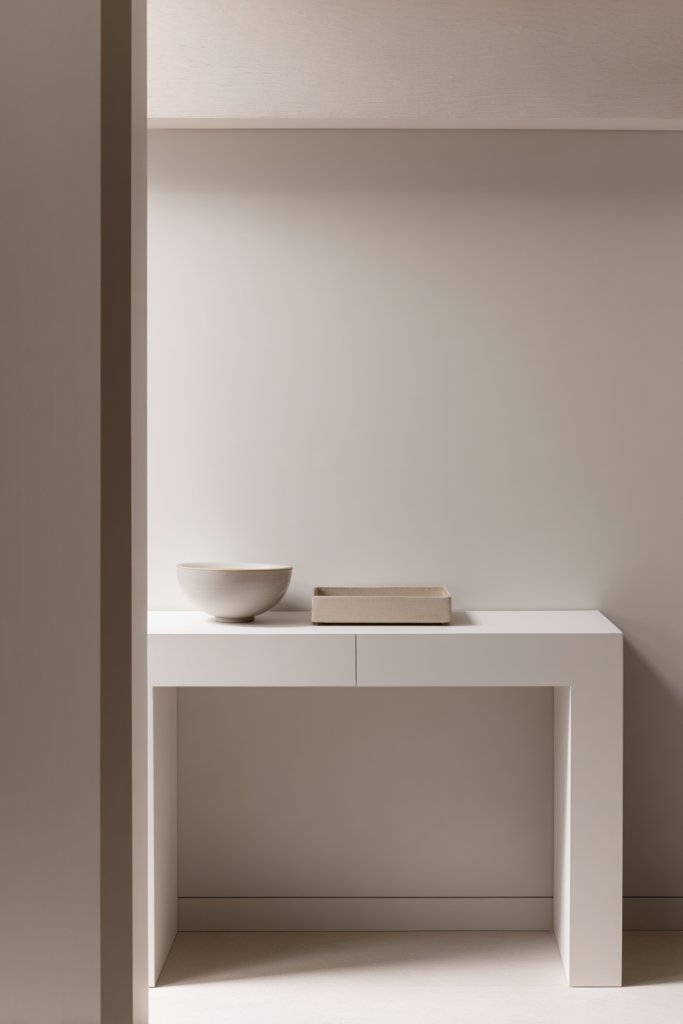
Overdecorating can quickly make a space feel cluttered and overwhelming. Instead, opting for simple, functional decor keeps things looking clean and serene. Muted tones add a sophisticated touch while ensuring your space remains calm and balanced. If minimalism appeals to you, this approach helps you curate a clutter-free, stylish home.
Imagine a sleek, matte black clock on the wall, a set of neutral-colored trays on your dresser, and understated accent pieces that blend seamlessly with your environment. These items serve a purpose but also contribute to the room’s cohesive look. The muted shades—think soft taupe, blush, or dusty gray—create a soothing palette that’s easy on the eyes. This simplicity allows each piece to stand out without competing for attention.
Select decor that fits your lifestyle—think minimal art, simple vases, or functional trays. For a more cozy vibe, add textured fabrics or woven baskets in similar tones. You can also layer different shades within the same muted color family to add depth. Seasonal swaps, like a soft throw or a new tray, keep the look fresh without clutter.
Start with a core color palette—muted neutrals are easiest to work with. Choose decor items with clean lines and simple shapes, avoiding overly ornate or busy designs. Use multifunctional pieces like trays that can hold everyday essentials or serve as decorative accents. Keep surfaces clear by storing accessories in discreet containers. Regularly reassess your decor to maintain the minimalist aesthetic.
Introduce subtle textures through fabrics or matte finishes. Personalize with carefully selected small objects that have meaning—like a simple ceramic dish for jewelry or a textured pillow in a muted tone. Mix materials such as wood, metal, or ceramics for visual interest while keeping within your color scheme. The goal is harmony and simplicity.
Simple, muted decor creates a peaceful environment that promotes relaxation. It’s easier to keep organized and maintain over time, leading to less stress. As your space becomes more curated, you’ll feel more in control and confident in your design choices, creating a calming sanctuary that’s truly yours.
9. Incorporate Natural Textures with Linen or Cotton Fabrics
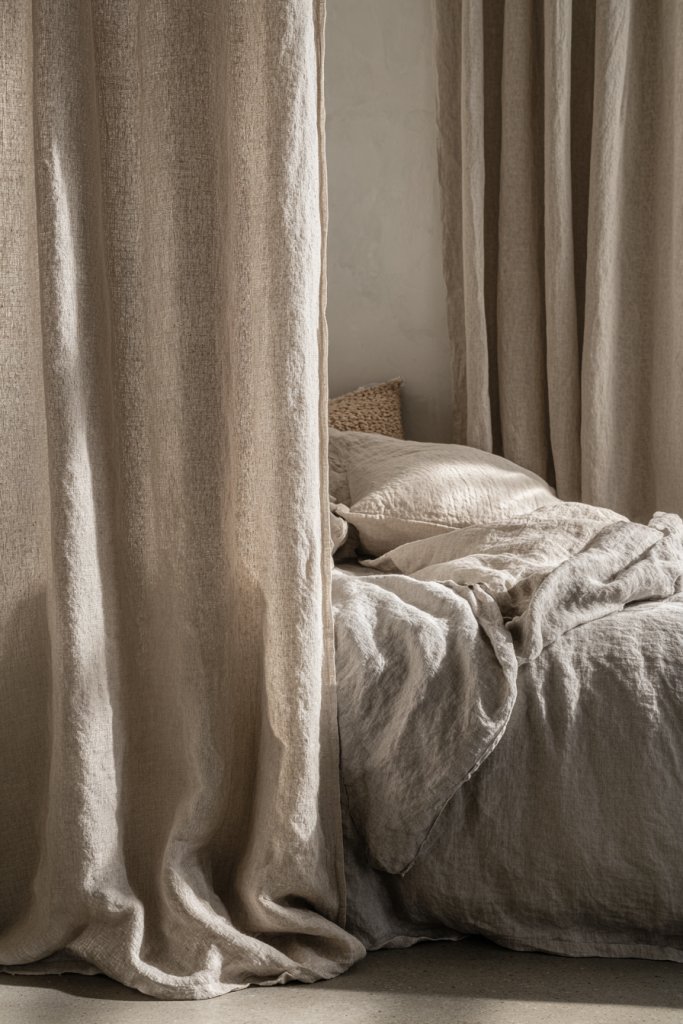
Flat, smooth fabrics can make a room feel sterile and uninspiring. Incorporating natural textures like linen and cotton adds warmth and tactile interest, elevating your aesthetic effortlessly. These fabrics are breathable, durable, and versatile, making them perfect for a relaxed, cozy vibe. Want your space to feel inviting and lived-in? This is your answer.
Visualize flowing linen curtains softly framing your windows, cotton cushion covers in neutral shades, or woven blankets draped casually over furniture. The textured surfaces catch the light differently, giving depth and dimension to your decor. The natural fibers provide a subtle, tactile contrast against smooth painted walls and sleek furniture. The overall effect is calming, organic, and effortlessly stylish.
Use linen or cotton for curtains, bedding, or throw blankets to introduce natural textures. For a minimalist look, stick to neutral tones, but layer different weaves and textures for visual interest. Opt for lightweight fabrics in summer and heavier, woven options in colder months. Incorporate textured rugs or woven baskets to extend the organic feel throughout your space.
Choose high-quality linen or cotton fabrics, focusing on natural, undyed, or lightly dyed options. When selecting curtains, look for options with subtle weave patterns for added texture. For bedding, go for breathable, durable materials that soften with washing. Incorporate woven or textured accessories like baskets or throws to complement your fabric choices. Regular washing keeps fabrics fresh and inviting.
Mix textures within the same color palette—think a smooth cotton sheet with a textured linen throw. Personalize with embroidered details or subtle patterns that add depth. You can also layer different textures in your cushions, throws, and curtains for a cozy, curated look. Keep everything in neutral tones for maximum calmness.
Natural textures evoke a sense of calm and authenticity. They bring a relaxed, inviting vibe that makes your space feel like a retreat. Once you embrace these materials, you’ll notice how much more comfortable and grounded your room feels, inspiring confidence in your design style.
10. Use Geometric or Abstract Wall Panels for Subtle Visual Interest
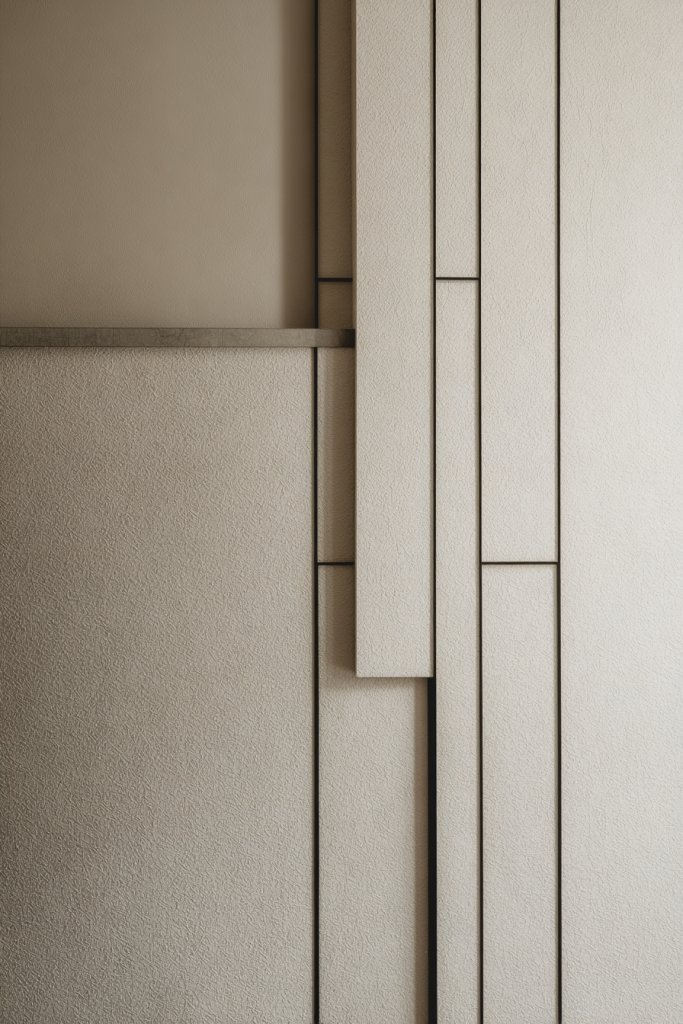
Flat walls can feel uninspired and dull, especially in minimalist spaces. Adding subtle visual interest through geometric or abstract wall panels can transform your walls into artful focal points. They bring texture and dimension without overwhelming the room’s simplicity. Want to make your space stand out just enough? This idea might be your secret.
Imagine textured wall panels with simple geometric patterns in neutral tones, installed behind your bed or sofa. The panels catch the light at different angles, creating shadows and depth that dance across the wall. Their subtle patterns add visual intrigue without cluttering the space. The clean lines and minimalist shapes complement a modern aesthetic, elevating your room’s overall vibe.
Choose panels in materials like wood, MDF, or textured PVC that match your decor style—sleek and modern or slightly rustic. Install them as statement features or as part of a larger wall treatment. For smaller spaces, opt for a single panel to add a focal point without overpowering. These panels can also be painted in your room’s color palette for a seamless look.
Select panels with textures or patterns that align with your aesthetic—geometric, abstract, or organic shapes. Measure your wall carefully and plan the layout, considering symmetry or asymmetry for visual balance. Use strong adhesive or mounting hardware suitable for your wall type. Finish with a clear protective coat if needed, and keep edges clean for a polished appearance. Regular dusting maintains their textured surface.
Customize your panels with subtle paint colors or finishes—matte, gloss, or natural wood stain—to suit your decor. Combine different patterns or textures for a layered effect. Incorporate lighting accents like small LED strips to highlight their shapes. Personal touches like adding small decorative hooks or shelves nearby can extend the visual interest.
Textured wall panels add sophistication and depth, making your space feel curated and intentional. They’re a simple upgrade that elevates your decor without clutter. Once installed, you’ll enjoy a room that feels thoughtfully designed—perfect for relaxing or entertaining—without sacrificing the minimalist aesthetic.
11. Create a Clutter-Free Desk Area with Essential Supplies Only
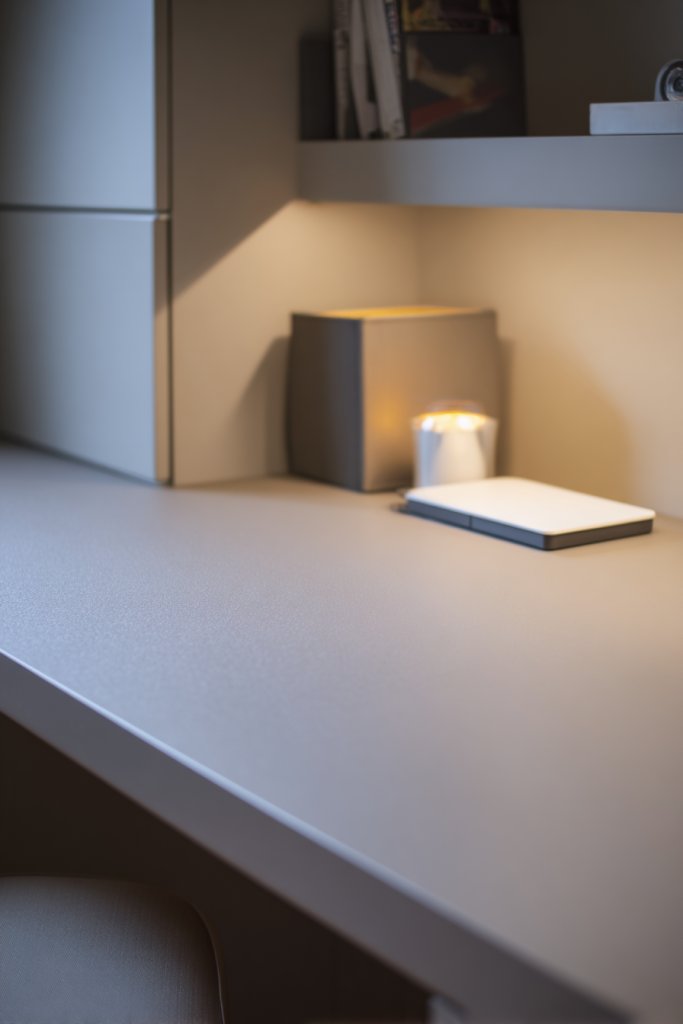
A cluttered desk kills productivity and adds stress to your day. If your workspace is overflowing with supplies, papers, and gadgets, it’s time for a reset. A clean, minimalist desk promotes focus and calm. Want to work better and feel less overwhelmed? This idea could be your game-changer.
Envision a sleek, simple desk with only a few essential items—like a slim organizer for pens and notepads, a minimalistic monitor stand, and a neat stack of paper or a single book. Everything has its place, and surfaces remain clear except for what’s necessary. The space feels open and inviting, with a calming order that encourages focus. The absence of clutter makes your workflow smoother.
Choose a desk with built-in storage or add minimalist organizers that keep supplies tidy. Use containers made from wood, metal, or matte plastic to match your aesthetic. For small spaces, opt for wall-mounted shelves or fold-down desks to save room. Incorporate a monochrome or neutral color scheme to maintain a cohesive, uncluttered look.
Start by clearing your existing desk and sorting items into essentials and non-essentials. Use slim, stackable trays, drawer organizers, or wall-mounted holders for daily supplies. Limit your supplies to what you actually use—less is more. Regularly declutter and tidy up at the end of each day. Choose quality, durable materials that withstand daily use and look good too.
Personalize your workspace with a simple, elegant pen holder or a small, textured mat. Use labels or color-coding to keep things organized. Add a small decorative element like a textured ceramic dish for paper clips or a minimalist sculpture for a touch of personality. Keep accessories consistent with your decor style for a harmonious look.
A tidy desk boosts your productivity and mental clarity. Simplicity in your workspace can inspire creativity and reduce stress. When your environment is organized, you’ll feel more confident tackling your tasks and enjoying your time at work or study. It’s a small change that leads to big results.
12. Implement Monochrome or Tonal Decor Accents
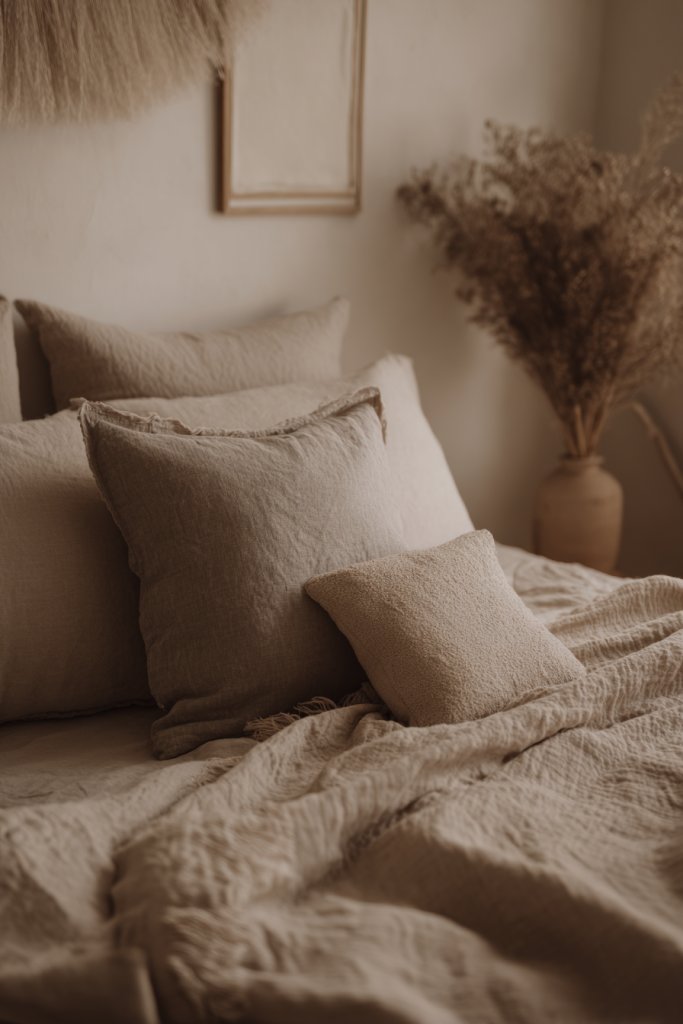
Color overload can make a space feel chaotic and exhausting. If you want a calm, cohesive look, monochrome or tonal decor accents are the way to go. They create harmony and simplicity, making any room feel more put-together. Curious how a single color family can transform your space? Let’s explore.
Picture a room where all decor—from curtains and rugs to cushions and accessories—exists within the same color palette, like shades of gray or beige. Variations in tone and texture add depth without breaking the visual flow. The result is a soothing environment that looks carefully curated and balanced. Light reflects softly off different surfaces, enhancing the tonal harmony.
Choose a dominant color and incorporate different shades within that hue. Mix textures—matte, gloss, woven, or smooth—to add interest. Use this approach in all rooms for a unified look or as an accent in specific areas. Seasonal changes can be made by swapping out small decor items in different shades of the same color family.
Start with a neutral base—walls, floors, and large furniture—in your chosen tone. Add smaller accents like cushions, throws, and decorative accessories in varying shades. Keep your color palette simple to avoid visual clutter. Use different materials to break up the monotony—wood, metal, or ceramics—while maintaining color consistency. Regularly reassess to keep the look fresh.
Introduce subtle variations in tone or texture to add dimension. Personalize with small decorative objects like textured bowls or woven baskets in the same color family. Use lighting to highlight different shades and textures, creating visual interest. The key is balance—avoid overdoing it, and let the tones breathe.
Monochrome or tonal schemes are versatile and timeless. They promote calm and order, making your space feel more relaxing. Once you master this look, you’ll find decorating becomes easier and more intuitive—your room will always look harmonious and intentional.
13. Incorporate Soft, Ambient Light with Minimalist Lamps
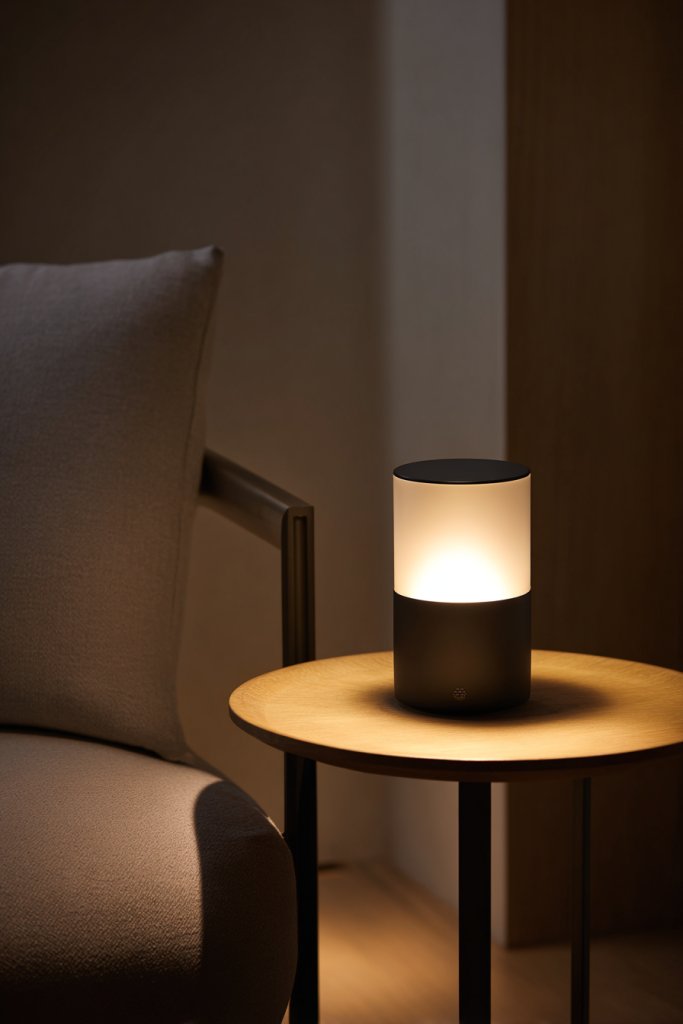
Harsh overhead lighting can make a room feel cold and uninviting. If you want a cozy, relaxing atmosphere, soft ambient lighting is essential. Minimalist lamps with clean lines and subtle designs provide gentle illumination without cluttering your space. Ready to make your room more inviting? This might be your new favorite upgrade.
Imagine a sleek, slender floor lamp with a simple fabric shade casting a warm glow across your reading nook. A minimalist table lamp with a smooth matte finish sits on your nightstand, providing gentle light for winding down. The soft glow creates a layered lighting effect, eliminating harsh shadows and promoting a sense of calm. The understated design complements your decor without drawing attention away from your space.
Choose lamps with dimmable features for adjustable mood lighting. Use warm white bulbs to foster coziness or cooler tones for a modern look. Incorporate different styles—like a slim tripod floor lamp, a sleek desk lamp, or wall-mounted sconces—to suit your needs. Position lamps near seating areas, beds, or workspaces for functional yet unobtrusive lighting.
Select minimalist lamps with simple shapes and finishes that match your decor—think matte black, brushed nickel, or soft beige. Place them strategically to avoid glare and shadows, ensuring even light distribution. Use dimmers to control brightness and set different moods throughout the day. Regularly dust and clean lamps to keep their finish looking fresh. Experiment with placement until the lighting feels just right.
Add subtle decorative elements like a textured lampshade or a sculptural base for visual interest. Incorporate smart lighting options that allow you to change color temperature or activate via voice commands. Use matching or contrasting finishes to tie in with hardware or other decor elements. Personal touches make the lighting both functional and stylish.
Soft, ambient lighting transforms your space into a sanctuary of calm. It encourages relaxation and unwinding, making your home more inviting. Once you find the right balance, your room will radiate warmth and comfort—perfect for chilling out or entertaining guests in style.
14. Use Understated Window Treatments in Light Fabrics
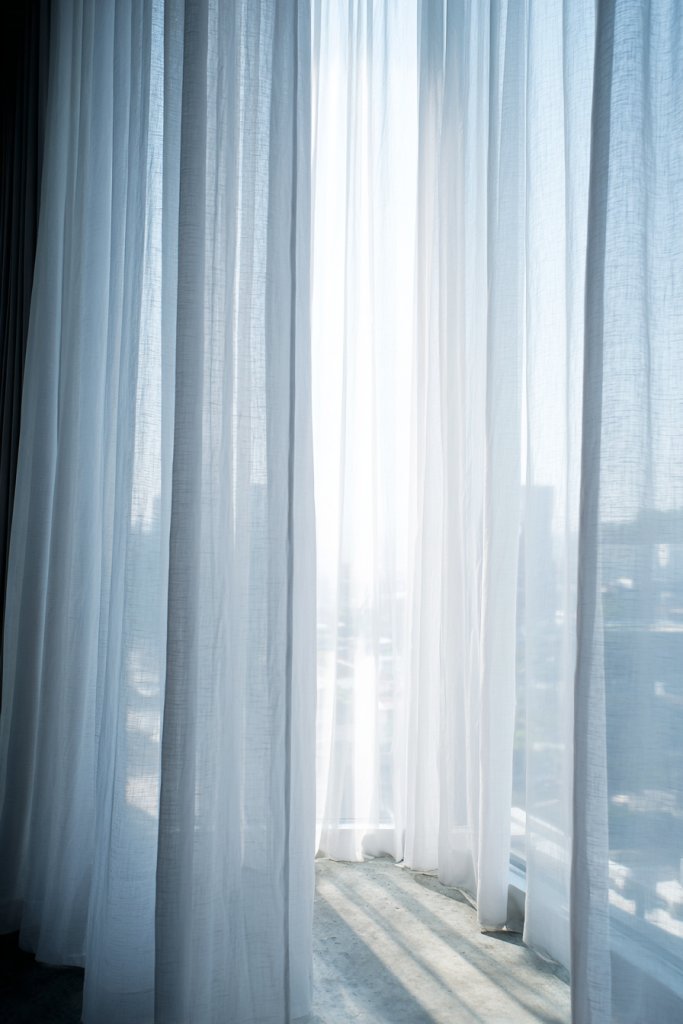
Heavy, dark curtains can block natural light and make a room feel dull. If you want a bright, airy space that feels fresh and open, light fabrics are your best bet. They soften the look of your windows while allowing sunlight to pour in. Curious how simple drapes can change your entire room? Let’s see.
Visualize sheer, flowing curtains in white or soft neutral tones framing your windows. They diffuse sunlight gently, creating a luminous, inviting glow. The delicate fabric adds movement and softness to your decor without overwhelming the space. The room feels more spacious, fresh, and full of life—like a breath of fresh air every time you walk in.
Choose from sheer panels, light linen curtains, or translucent roller blinds depending on your privacy needs and style preferences. Layering sheer with blackout curtains allows flexibility for both light and privacy. For smaller windows, keep treatments minimal to avoid visual clutter. In colder months, you can add heavier drapes or layered textiles for warmth without sacrificing light.
Select lightweight, natural fabrics that complement your decor—think linen, cotton, or voile. Mount rods close to the ceiling to give the illusion of height and space. Use simple, unobtrusive hardware to keep the look sleek. Ensure the curtains are long enough to puddle slightly on the floor for an elegant effect. Regularly wash and iron for a crisp, fresh look.
Add subtle trims or soft embroidery for a personalized touch. Tie-back styles in matching or contrasting fabrics can add a decorative element. Use decorative curtain rings or clips for easy opening and closing. Incorporate a gentle pattern or subtle texture to maintain visual interest without disrupting the minimalist vibe.
Light, airy window treatments brighten your entire space and make it feel more open. They’re a simple, affordable way to refresh your decor without major renovations. Once you embrace sheer fabrics, your room transforms into a luminous haven—perfect for relaxing, working, or entertaining.
15. Add a Small, Functional Seating Nook with Simple Upholstery
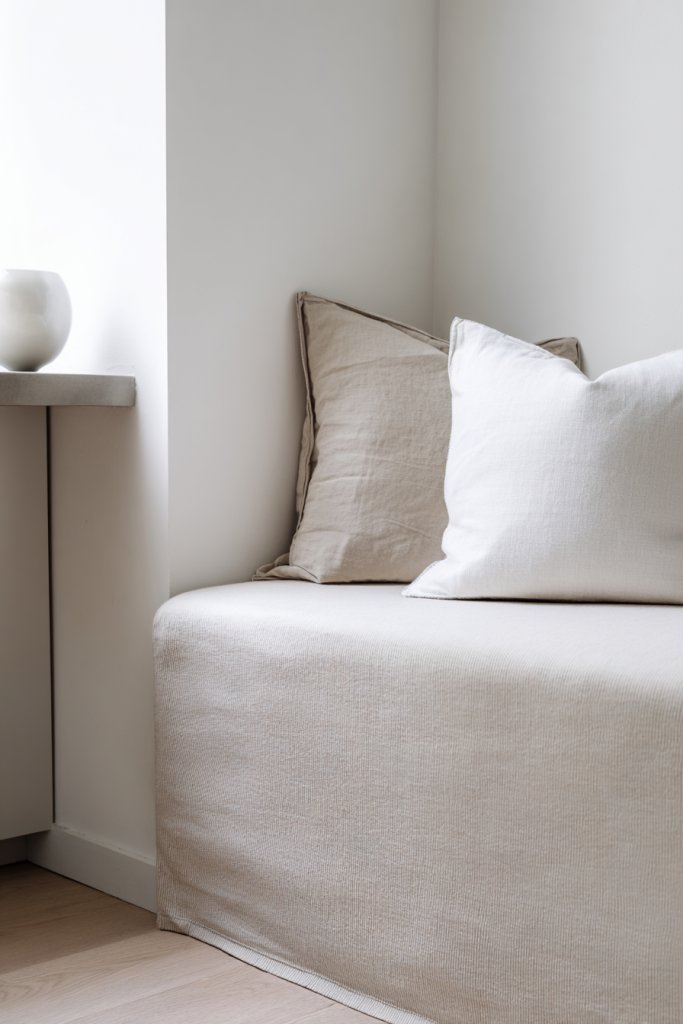
Do you lack a cozy corner to read, meditate, or just relax? A small, functional seating nook can turn an empty space into your new favorite retreat. It offers comfort without clutter, perfect for those lazy Sunday mornings. Want to create a peaceful hideaway in your home? This idea is a game-changer.
Picture a minimalist armchair or pouf in a neutral fabric, tucked into a corner with a simple side table nearby. Add a textured throw or a soft cushion to invite relaxation. The space feels intimate yet open, with clean lines and simple shapes contributing to the calming environment. Soft lighting, like a small wall sconce or a hidden LED strip, enhances its cozy appeal.
Choose furniture in neutral or muted tones to match your decor. For smaller rooms, a compact armchair or a wedge-shaped seat fits perfectly without overwhelming the space. Larger rooms can support a small loveseat or a built-in bench with storage underneath. Incorporate textured fabrics or subtle patterns to add visual interest while maintaining simplicity.
Select comfortable, durable upholstery in natural fabrics like linen or cotton. Position your seating near a window or in a quiet corner to maximize tranquility. Add a small side table for books or a cup of tea. Keep the area clutter-free, with minimal accessories—perhaps a simple woven basket or a soft mat. Regular cleaning and fluffing keep it inviting.
Personalize with a textured cushion or a cozy blanket in your favorite neutral shade. Consider adding a small shelf or wall-mounted storage nearby for books or decorative objects. Use multi-purpose furniture with hidden storage to keep it tidy. Small decorative touches like a sculptural side table or a textured fabric add personality.
A cozy nook invites you to pause and recharge, making your home more inviting. It’s a simple way to add functionality and style without cluttering your main living areas. Once you create this space, you’ll enjoy having a dedicated spot for relaxation—improving your overall home comfort.
16. Use Subtle, Architecturally Inspired Decor Elements
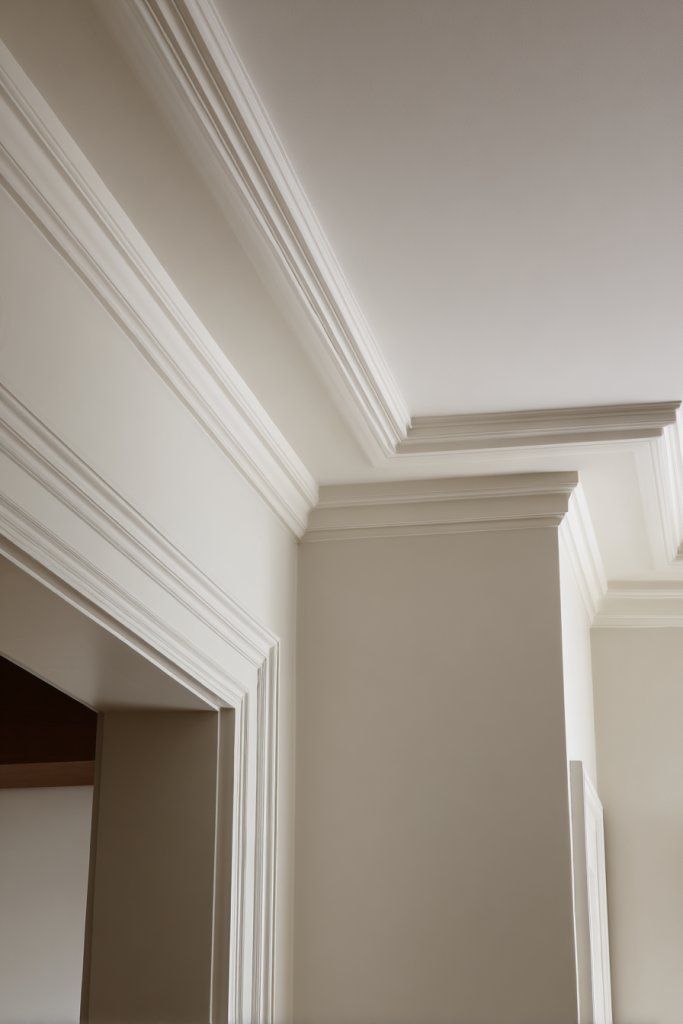
Flat walls and plain ceilings can make a room feel uninspired and dull. Incorporating subtle architectural details adds depth and character without overwhelming the minimalist aesthetic. Think moldings, paneling, or geometric insets that elevate your space’s design. Want to add sophistication with minimal effort? This idea is perfect.
Imagine a room with simple, clean-lined wall paneling or a subtle crown molding detail in a matching neutral tone. Architectural trim or geometric wall insets create visual interest, reflecting light and casting gentle shadows. These elements add depth and texture, making your space look more polished and thoughtfully designed. The understated details blend seamlessly into modern or traditional decor.
Use painted or wood-paneled walls to add texture—vertical planks for height or horizontal for a cozy feel. Incorporate subtle molding around doors and ceilings for a classic touch. For a contemporary look, opt for geometric wall insets or flush-mounted panels. These details can be painted in the same color as your walls or in contrasting shades for emphasis.
Select materials like MDF, plywood, or plaster for your architectural features. Measure and plan your design carefully, using templates or professional help if needed. Install wall moldings or paneling with appropriate adhesives and nails, ensuring a seamless finish. Sand and paint or stain to match your decor style. Regular maintenance involves cleaning dust and touch-up paint as needed.
Add subtle accents like small ledges or niches for decorative objects—using lighting or textures to highlight them. Personalize by choosing finishes that match your overall aesthetic—matte, gloss, or natural wood. Incorporate small architectural details into existing features, like door frames or archways, for a cohesive look. These elements subtly increase visual interest.
Architectural details elevate your space’s design, making it feel more refined and intentional. They provide a sense of craftsmanship and thoughtfulness that guests will notice. Once you incorporate these subtle elements, your room will feel more sophisticated and complete—without sacrificing simplicity.
17. Incorporate a Neutral Rug with Soft Texture and Simple Pattern
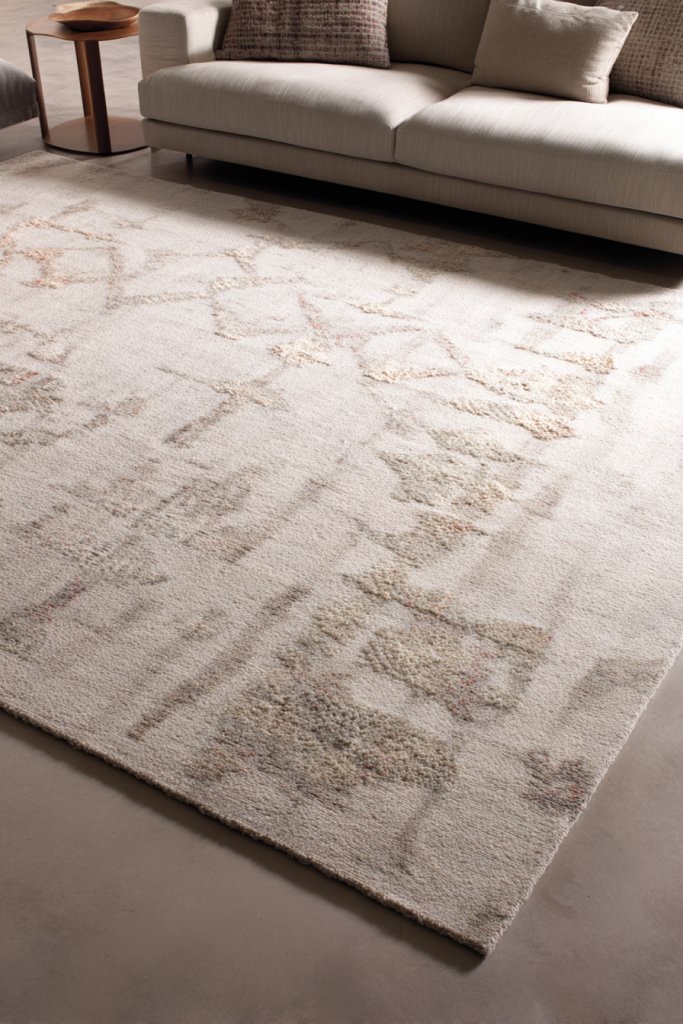
A plain floor can make a room feel cold and unfinished. Adding a neutral rug with soft texture instantly warms up the space and ties your decor together. It creates a cozy foundation without competing with your minimalist aesthetic. Want a simple way to elevate your room? This is it.
Imagine a plush, low-pile rug in a gentle beige or light gray, lying under your bed or seating area. The soft texture invites barefoot comfort, while its understated pattern adds subtle visual interest. Textured fibers catch the light differently, creating depth and dimension. The rug anchors your furniture and makes the space feel more inviting.
Choose a rug in a neutral tone that complements your overall color palette. For a minimalist look, go for solid or very subtle patterns—think tone-on-tone stripes or gentle geometric shapes. Larger rugs can define a space, while smaller ones add accents. Layering rugs is an option, but keep the textures and colors within the same family for harmony.
Pick a rug with a soft, durable pile that’s easy to clean—think wool or high-quality synthetic fibers. Measure your space carefully to select the right size—aim for furniture to sit partly on the rug for cohesion. Lay the rug flat, and use non-slip pads underneath if needed. Regular vacuuming and spot cleaning keep it looking fresh and plush.
Add a textured throw or cushion in a similar hue for layered comfort. Incorporate subtle patterns in your textiles or wall art to echo the rug’s design. Use lighting to highlight its texture—warm light makes fibers look even softer. This simple addition creates a unified, calming environment.
A neutral rug grounds your decor and adds warmth, making your space more inviting. It’s an affordable upgrade that significantly enhances comfort and style. Once you see how a soft, textured rug transforms your room, you’ll feel more confident in your interior choices—creating a space you love to relax in.
18. Keep Surfaces Clear with Practical, Stylish Organizers
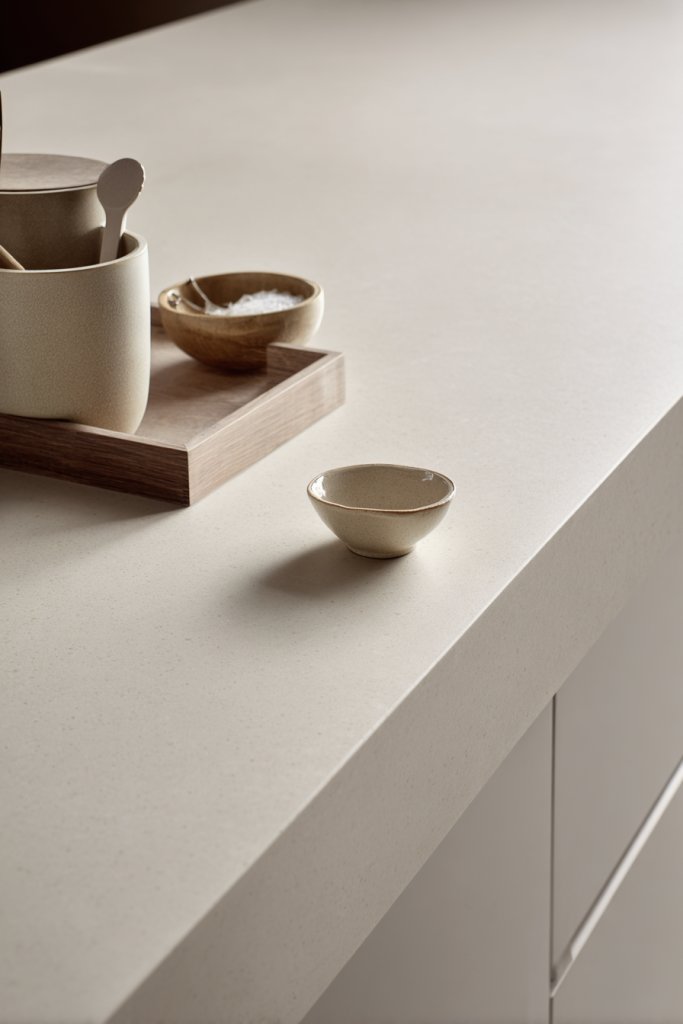
Surfaces cluttered with random items instantly make a space feel chaotic. If you crave a tidy, calming environment, practical organizers are your secret weapon. They keep essentials accessible while hiding away what you don’t need right now. Want a simple way to keep your space looking polished? This idea is your answer.
Imagine sleek trays, minimalist baskets, or slim-line containers neatly holding your keys, chargers, or makeup tools. These organizers come in neutral or matte finishes, blending seamlessly with your decor. When everything has a designated spot, surfaces remain clean and inviting. The visual simplicity makes your space appear more spacious and less stressful.
Choose multi-purpose containers—like a wooden tray with compartments or a set of stackable baskets—that suit your storage needs. Use materials like metal, ceramic, or woven fibers for variety, but stick to a cohesive color palette. In kitchens or bathrooms, clear containers show contents easily, reducing clutter. Regularly review and tidy these organizers to maintain order.
Identify high-traffic surfaces prone to clutter—like your entryway table or bedside. Select stylish, durable organizers that match your decor’s tone. Label compartments if needed to keep things organized. Position containers strategically for easy access and quick tidying. Clean regularly to prevent dust buildup and maintain their sleek appearance.
Personalize with small decorative accents—like textured ceramic trays or matte black bins—that match your overall aesthetic. Incorporate a few decorative elements in neutral tones to add personality without clutter. Use small, decorative labels or tags for a tidy, professional look. This keeps your essentials organized and your space looking intentional.
Stylish organizers make tidying effortless and keep your space looking polished. They help you stay organized long-term with minimal effort. Once you experience the calm of a clutter-free surface, you’ll be motivated to maintain this habit, creating a more peaceful, functional home environment.
19. Add a Touch of Warmth with Light Wood or Bamboo Accents
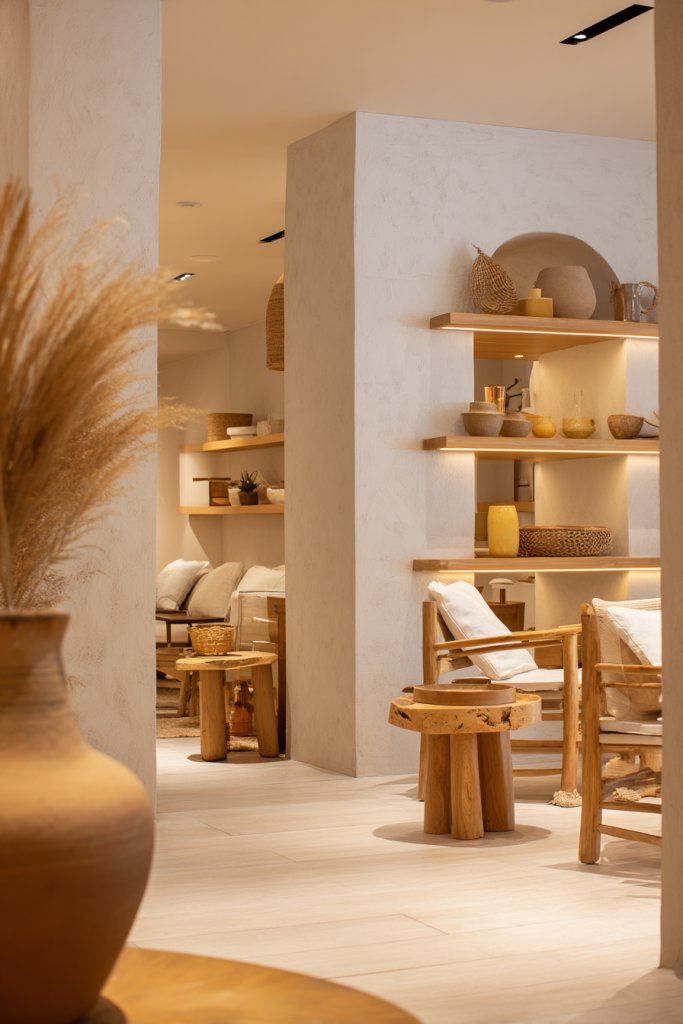
Cool-toned decor can sometimes feel too stark or impersonal. To add warmth and a natural vibe, incorporating light wood or bamboo accents is an easy fix. These materials evoke a cozy, inviting atmosphere while maintaining a minimalist aesthetic. Want your space to feel more welcoming? This is your go-to trick.
Visualize a light wood bedside table, bamboo blinds, or woven baskets in natural tones. The grains and textures of these materials catch the light softly, adding depth and warmth. A simple wooden picture frame or a bamboo tray on your dresser subtly introduces organic elements. The overall look is relaxed, earthy, and effortlessly chic.
Mix different wood finishes—light oak, ash, or bamboo—for variety, but keep the overall tone cohesive. Use these accents in furniture, decor, or small accessories to soften a predominantly neutral palette. Incorporate woven or textured fabrics alongside for added tactile interest. Seasonal swaps, like a warm wooden bowl or a bamboo table mat, keep the decor fresh.
Choose quality, sustainably sourced wood or bamboo pieces that match your style. Incorporate them into furniture like side tables, stools, or shelving. Smaller accents like cutting boards or decorative trays can be easily added to surfaces. Ensure finishes are smooth and protected—use natural oils or sealants for durability. Place these accents thoughtfully to balance the space visually.
Personalize with engraved or painted details, like initials or patterns, on wooden pieces. Combine with textiles—like linen or cotton—for contrast. Use woven baskets or mats to extend the organic feel and keep things tidy. Small touches like a wooden or bamboo lamp can add warmth without cluttering your aesthetic.
Natural wood and bamboo accents create a soothing, harmonious environment. They’re timeless and versatile, working with many decor styles. Once integrated, these elements help your space feel grounded and authentic, making your home a true sanctuary of calm and warmth.
20. Use Subdued Metallic or Matte Hardware for Fixtures
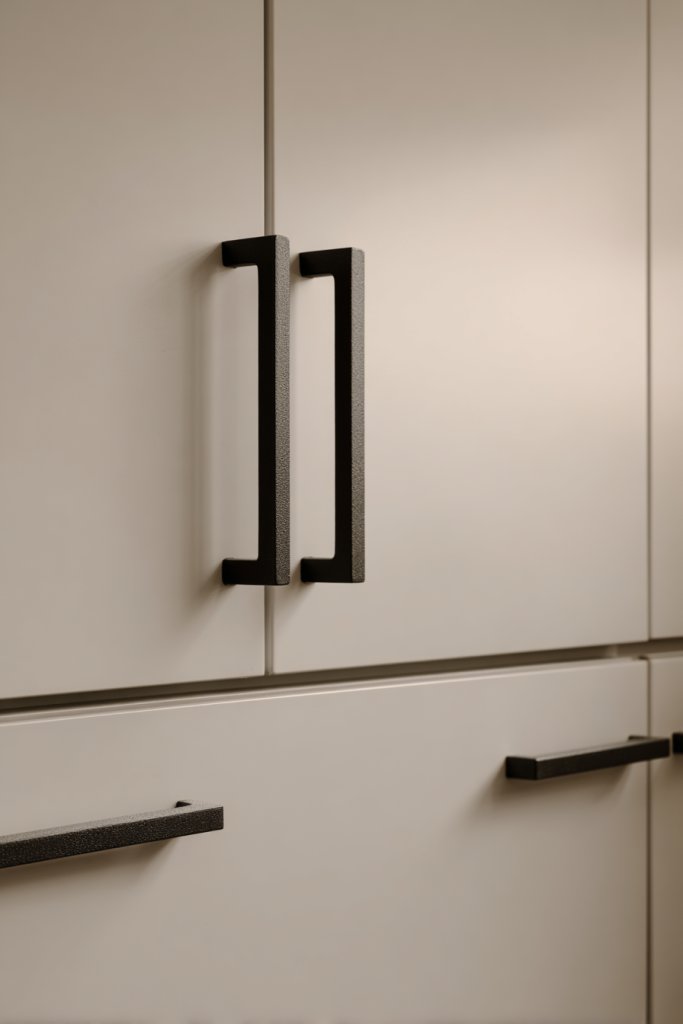
Brassy or shiny hardware can clash with a clean, minimalist look. Subdued metallics like matte black, brushed nickel, or bronze add a touch of sophistication without overpowering. They elevate fixtures and furniture subtly, creating a polished, modern aesthetic. Want your space to look sleek and cohesive? This detail makes all the difference.
Imagine matte black cabinet handles, brushed nickel drawer pulls, or bronze light fixtures that blend into your walls and furniture. These fixtures catch light softly, providing a refined, understated shine. Their simple shapes and muted finishes complement minimalist decor perfectly. The overall effect is sleek, subtle, and elegant—like jewelry for your home.
Choose hardware that matches your overall metal tone—matte black, brushed nickel, or matte bronze—and keep it consistent across fixtures. For a subtle contrast, mix finishes within the same family—like black fixtures with bronze accents. Use these hardware choices on cabinets, drawers, or lighting to unify your space. Smaller fixtures like hooks or knobs also benefit from this understated approach.
Select high-quality hardware in your preferred finish, ensuring compatibility with your furniture or fixtures. Use appropriate tools—like screwdrivers and level—to install fixtures precisely. Take your time aligning hardware for a clean look. Regularly clean with a soft cloth to maintain the matte or subdued finish, avoiding harsh chemicals that could damage the surface.
Personalize with small touches like engraved initials or custom finishes for a unique look. Combine different hardware styles—sleek handles with minimalist knobs—to add subtle variation. Incorporate matching hardware in your lighting fixtures or decorative hardware for a cohesive aesthetic. These details amplify the modern, minimalist vibe.
Subdued hardware elevates your decor with a refined touch of elegance. It’s a small detail that significantly impacts the overall aesthetic, making your space look more curated. Once you choose and install the right fixtures, you’ll enjoy a sleek, modern environment that feels sophisticated and calm—proof that the devil’s in the details.
21. Create a Cohesive Look with Consistent Design Elements
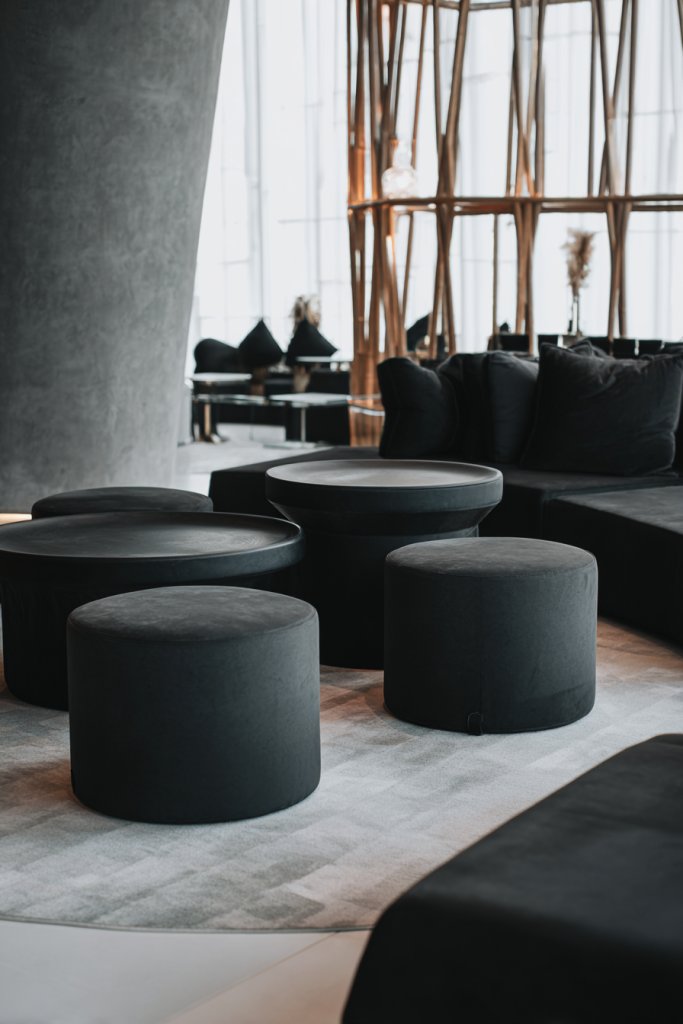
A room that feels disjointed or randomly decorated can undermine your entire aesthetic. Achieving harmony requires consistency—whether in colors, shapes, or materials. When your design elements work together, your space looks intentional and polished. Want to make your decor look more professional and put-together? This strategy is your key.
Imagine repeating the same shape or texture across different elements—like round mirrors, soft textiles, and curved furniture legs. Consistent use of a color palette, material choices, or geometric patterns ties everything together. The room feels harmonious, calming, and visually pleasing. Subtle repetitions and echoes create a sense of flow that guides the eye naturally around your space.
Apply this principle across multiple rooms for a unified home, or focus on key areas like your bedroom or living room. Use matching hardware, textiles, and accessories to reinforce your theme. Incorporate recurring shapes—circles, squares, or organic forms—in art, furniture, and decor. Seasonal or thematic updates can be made by swapping out small elements while maintaining overall cohesion.
Start by selecting a core color palette and a few key materials—wood, metal, or fabric. Use these consistently across furniture, textiles, and accessories. Pay attention to scale and proportion, ensuring elements complement each other rather than clash. When adding new decor, choose items that echo existing design motifs. Regularly reassess your space to ensure harmony remains intact.
Introduce unique but consistent details—like a signature pattern or a specific type of hardware—that become your visual signature. Mix textures and materials thoughtfully, maintaining overall unity. Use lighting fixtures, frames, or decorative trims that align with your chosen style. This approach fosters a cohesive, stylish environment that reflects your personality.
A well-coordinated space feels more relaxing and inviting, boosting your confidence in your design skills. It shows that attention to detail makes a real difference. Once you establish a cohesive look, decorating and updating become easier—your home will always look intentional and beautiful, a true reflection of your taste.
Conclusion
Exploring these diverse Clean Room Aesthetic ideas can transform your space into a tranquil haven that promotes relaxation and clarity. Whether you adopt a few key elements or overhaul your entire room, each idea offers a simple way to enhance your living environment. Embrace these concepts and take the first step toward a more peaceful, beautifully minimalist home—your serene sanctuary awaits!
