Imagine a home that not only looks beautiful but also nurtures the environment — that’s the magic of eco-friendly living! Eco house ideas have gained immense popularity because they combine sustainability, cost-efficiency, and innovative design, making it easier than ever to reduce your carbon footprint.
In this article, you’ll explore a diverse range of ideas to transform your home into a sustainable haven. From clever recycling solutions to energy-saving designs and eco-conscious materials, these ideas will inspire you to create a greener, healthier living space that aligns with your values and lifestyle.
1. Incorporate Reclaimed Wood Accent Walls for Rustic Charm
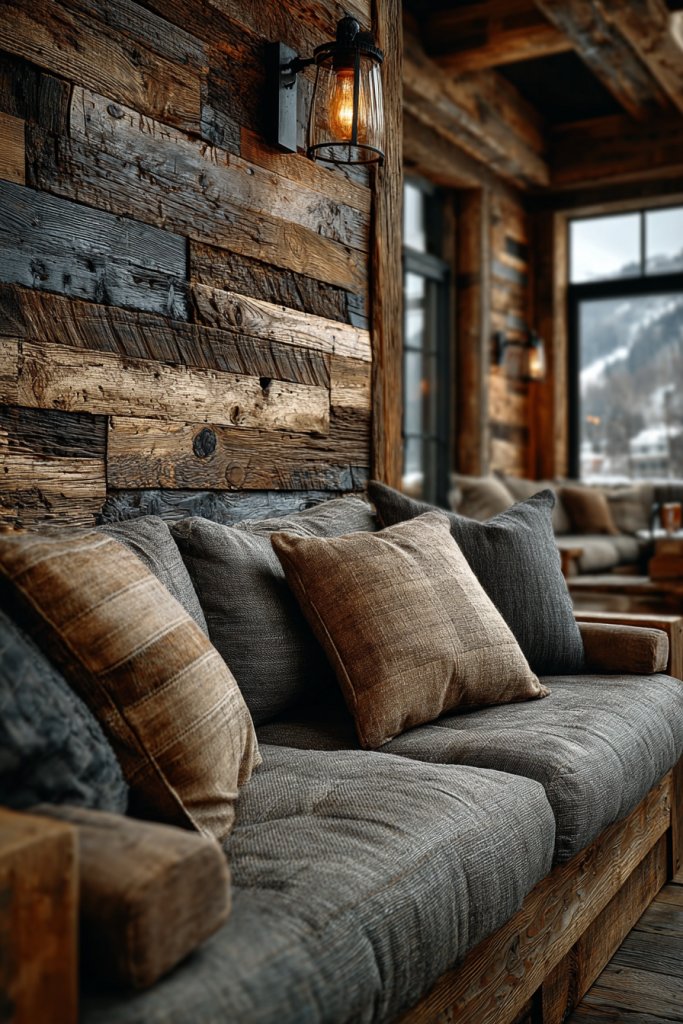
Ever feel like your home lacks character or warmth? Maybe your space is a bit sterile or overly modern, making it hard to feel cozy. Reclaimed wood accent walls offer a way to add rustic charm without sacrificing style. They make a room feel inviting and tell a story, all while being eco-friendly. It’s about creating a space that feels both authentic and environmentally conscious.
Imagine walking into a living room with a feature wall crafted from weathered, salvaged planks. The rich textures and varied tones add depth, contrasting beautifully with sleek furnishings. The rough grain and knots bring a tactile charm that invites touch. Soft, warm lighting enhances the natural imperfections, making the space feel lived-in yet thoughtfully designed. It’s like nature’s artwork on your wall.
Reclaimed wood can suit many styles—from farmhouse to industrial—by choosing different finishes or treatments. In a small apartment, a single reclaimed panel can serve as a focal point. For larger homes, entire walls or even ceilings can be clad with salvaged planks. You can also incorporate painted or stained versions for a more polished look or leave them raw for maximum rustic appeal. Seasonal accents with textiles or decor can complement the wood’s natural tones.
Start by sourcing reclaimed wood from local salvage yards, online marketplaces, or DIY thrift stores. Ensure the wood is properly cleaned, dried, and treated for safety and durability. Prepare your wall surface by cleaning and leveling it. Use quality adhesive and finishing nails to attach planks securely, avoiding warping or gaps. Seal the wood with natural oils or eco-friendly finishes to preserve its character and protect it from wear. If you’re not handy, hiring a professional might save you headaches.
Add your personal touch with custom staining or distressing techniques to enhance the wood’s natural features. Incorporate decorative elements like vintage hooks or shelving made from reclaimed wood for functional decor. Use contrasting paint colors on adjacent walls to make the accent wall pop further. For a modern twist, combine reclaimed wood with sleek metal fixtures or minimalist furniture. This balance keeps the space feeling fresh and curated.
Creating a reclaimed wood accent wall is a rewarding project that transforms your home into a cozy retreat with a story. It’s a sustainable choice that adds value and character. Plus, it shows your commitment to eco-conscious living—something more people are craving. Ready to give your space some rustic charm? Go on, and make it uniquely yours!
2. Install Solar-Powered Outdoor String Lights for Eco-Friendly Ambiance
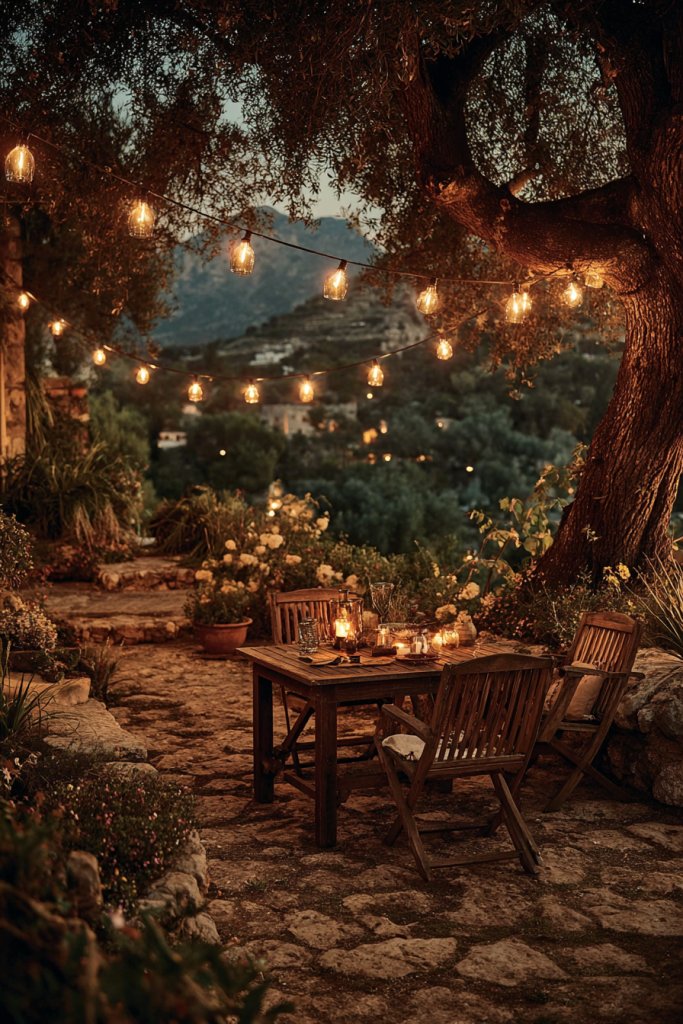
Ever wish your outdoor spaces felt more inviting without racking up huge energy bills? String lights are charming, but they can drain your electricity, especially if you forget to turn them off. Solar-powered outdoor string lights offer a dreamy ambiance that’s guilt-free and wallet-friendly. They let you enjoy cozy evenings outside without worrying about the power meter spinning wildly.
Picture a backyard illuminated by a cascade of tiny bulbs suspended from weathered, eco-friendly cords. The soft glow creates a warm, inviting atmosphere, perfect for dinner parties or quiet nights. The lights flicker gently as a breeze moves through, adding a whimsical touch. Their placement along a pergola or around a tree enhances the natural landscape, making the space feel magical. No tangles, no fuss—just pure, sustainable charm.
Solar string lights come in various styles—from vintage Edison bulbs to sleek modern globes—allowing you to match your aesthetic. For a boho vibe, opt for colorful or textured cords. In minimalist spaces, simple clear bulbs work best. Seasonal variations include adding lanterns or fabric drapes for special occasions. You can also string them along fences, pergolas, or even across a patio for flexible decoration. Use timers or smart controls to optimize energy savings.
Start by selecting high-quality, weather-resistant solar lights with sufficient battery capacity. Install the solar panels in a sunny location, free from shadows, to maximize charging. Follow the manufacturer’s instructions for spacing and securing the bulbs, often with clips or hooks designed for outdoor use. Test the lights during the day and at night to ensure they turn on automatically. Regularly clean solar panels to maintain efficiency, and consider adding backup batteries for cloudy days. No wiring needed, so it’s a DIY dream.
Mix and match bulb shapes or colors for a personalized look. Incorporate vintage-inspired Edison bulbs for nostalgic charm or minimalist globes for a sleek style. Add decorative elements like paper lanterns or eco-friendly fabric banners to elevate the setup. Consider incorporating plant-based or biodegradable accessories to keep the eco theme strong. Dimming options or color-changing features can add mood versatility for different occasions.
Sustainable outdoor lighting transforms your space into a magical retreat while saving energy. It’s a simple upgrade that boosts ambiance and reduces your carbon footprint. Plus, it’s a fun project that can involve friends or family. Who knew eco-friendly lighting could look so charming? Get ready to host unforgettable outdoor evenings that are both beautiful and kind to the planet!
3. Use Cork Flooring for Natural, Durable, and Sustainable Surfaces
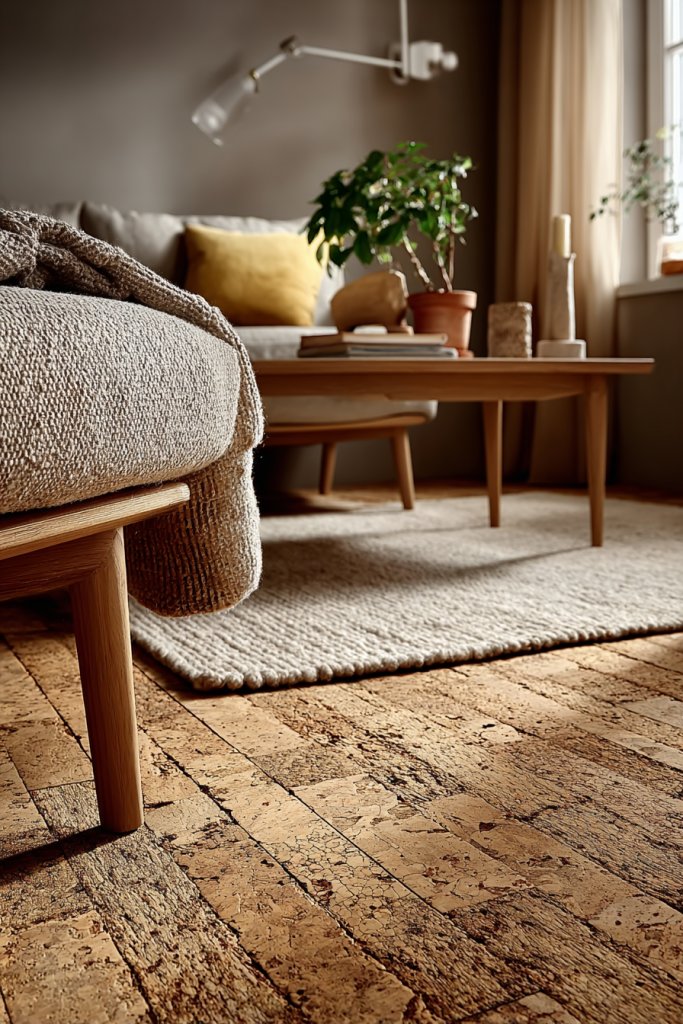
Tired of cold, hard floors that make your home feel less cozy? Cork flooring offers a warm, soft alternative that’s also eco-friendly. It’s a sustainable material harvested from the bark of cork oak trees, which regrow their bark after harvest. This means you get a durable, natural surface that’s gentle underfoot and kind to the environment. Plus, cork’s insulating properties keep your space cozy year-round.
Imagine stepping onto a cork floor that has a subtle, textured grain with a slightly matte finish. The natural tones of beige, tan, or even darker browns add warmth to any room. The surface feels cushioned, almost like walking on a soft sponge, reducing fatigue. Its sound-absorbing qualities make your home quieter, while its textured appearance adds rustic charm. When lit with warm lighting, cork creates a welcoming atmosphere that invites relaxation.
Cork flooring works well in many styles—from modern minimalism to cozy cottage decor. It can be installed as tiles or planks, allowing for pattern variations like herringbone or checkerboard. In high-traffic areas, choose thicker, more durable options; in bedrooms, opt for softer, more cushioned versions. Seasonal accessories like rugs or throws can complement cork’s natural look. It pairs beautifully with recycled furniture or natural textiles for an eco chic aesthetic.
Begin by measuring your space and selecting cork tiles or planks with appropriate wear layers. Prepare the subfloor by cleaning and leveling it to ensure a smooth installation. Use eco-friendly adhesive or click-lock systems that don’t emit harmful VOCs. Lay the cork carefully, aligning seams precisely, and trim edges with a sharp utility knife. Seal the surface with a non-toxic, water-based finish to enhance durability and ease cleaning. Regular maintenance involves sweeping and occasional damp mopping—no harsh chemicals needed.
You can customize cork flooring with stains or dyes to match your decor palette. Layer rugs or mats made from natural fibers for added comfort and style. Use decorative trims or borders to define different areas. Incorporate furniture with natural wood or recycled materials for a cohesive eco look. Regular sealing and gentle cleaning keep cork looking fresh for years, making it a long-term investment.
Cork flooring combines sustainability with comfort and style, proving eco living can be cozy and chic. It’s a practical choice for families or anyone seeking a quieter, warmer home environment. Plus, choosing cork supports forest health and reduces plastic waste. It’s a small change with a big impact on your eco footprint. Ready to step into a more sustainable, stylish home?
4. Repurpose Vintage Furniture with Eco-Friendly Paints
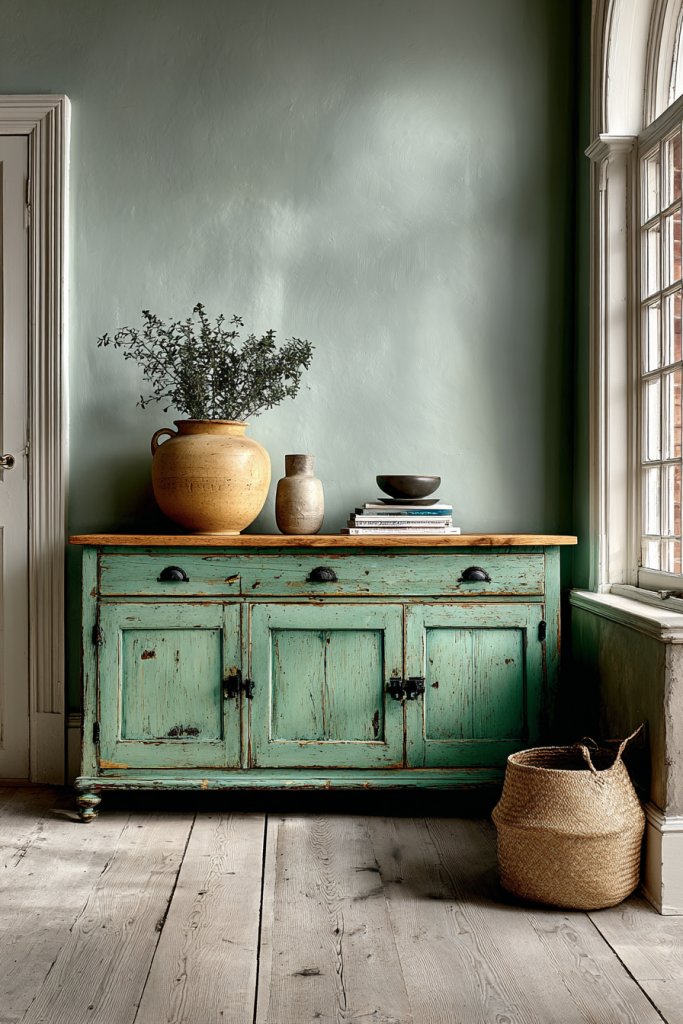
Ever feel overwhelmed by throwaway furniture or the constant cycle of buying new? Vintage pieces are treasures waiting to be rediscovered, but many look tired or outdated. Restoring vintage furniture with eco-friendly paints offers a sustainable way to breathe new life into old items. It’s a creative, cost-effective approach that reduces waste and adds personality to your home. Plus, you get a one-of-a-kind piece that’s full of character.
Imagine a weathered wooden armchair transformed with a soft, matte, earth-toned paint. Its original charm shines through, enhanced by subtle distressing or a fresh coat of eco-friendly paint. The surface feels smooth yet retains a hint of rustic texture. Accentuate details like carved legs or vintage hardware with contrasting colors or natural finishes. The result is a piece that looks both timeless and sustainable, blending seamlessly into your decor.
Vintage furniture can fit many styles—from shabby chic to industrial modern—by choosing different paint colors and techniques. Light pastel shades suit feminine or coastal themes, while darker hues add drama to industrial spaces. Techniques like chalk paint or milk paint create a matte, vintage look, while sealing with beeswax preserves a natural patina. You can also incorporate upcycled hardware or embellishments for added flair. Seasonal accessories like cushions or throws personalize the pieces further.
Start by cleaning and lightly sanding the furniture to remove dirt or loose paint. Use eco-friendly, low-VOC or zero-VOC paints, applying thin coats with brushes or rollers for an even finish. Distress edges or add decorative details with sandpaper or stencils for a shabby chic look. Seal the paint with natural wax or a water-based topcoat to protect the finish. Take your time between coats and allow ample drying to prevent smudges. Consider replacing or restoring hardware to match your new look.
Add a personal touch with custom stencils, decals, or layered colors. Incorporate eco-friendly upholstery or cushions made from recycled fabrics for seating pieces. Use natural or recycled hardware for drawer pulls or knobs. Mix and match vintage styles with modern accessories for an eclectic vibe. Regularly clean and re-wax to maintain the finish and extend the life of your refurbished furniture.
Refurbishing vintage furniture with eco paints is both sustainable and satisfying. It reduces waste, saves money, and gives your home a distinctive personality. Plus, it’s a fun project that lets your creativity run wild. Your home will look stylish, unique, and environmentally responsible—all at once. Ready to hunt for your next vintage treasure?
5. Build a Living Roof with Native Sedum for Natural Insulation
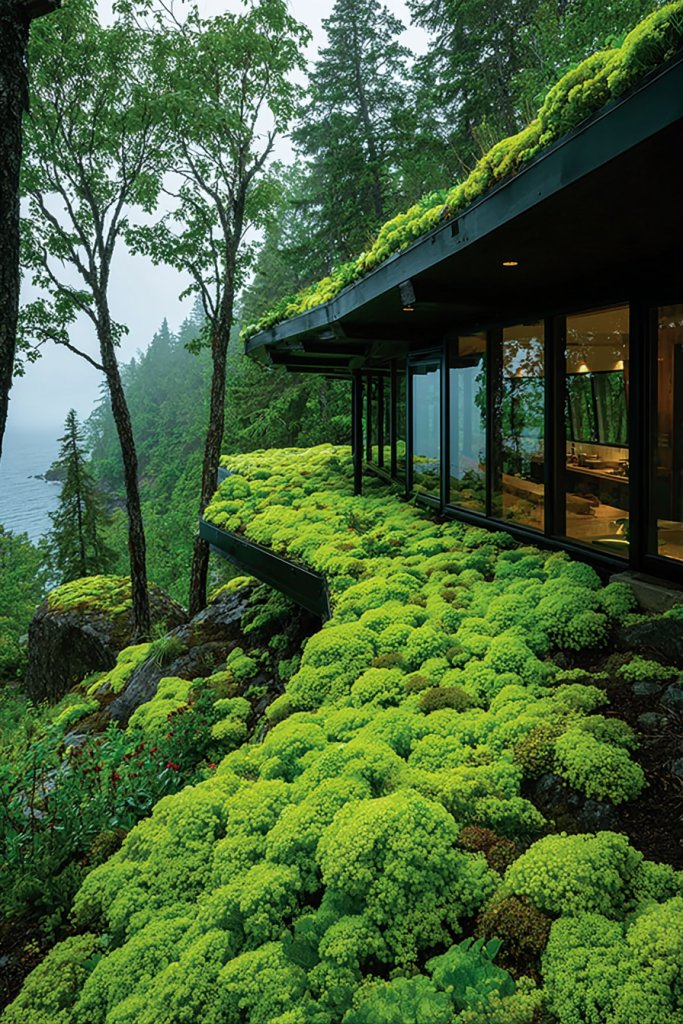
Looking for a way to boost your home’s energy efficiency while adding some serious curb appeal? A living roof, especially with native sedum, offers a stunning eco-friendly solution. It acts as natural insulation, reducing heating and cooling costs, and supports local biodiversity. Plus, it’s a conversation starter that makes your home stand out in the neighborhood. Who knew that planting tiny succulents on your roof could be so impactful?
Visualize a lush, green rooftop lush with drought-tolerant sedum plants, thriving in shallow soil layers. The plants form a dense, colorful blanket, ranging from silvery greens to vibrant reds and yellows. The surface appears soft yet resilient, blending seamlessly into the natural landscape. When rain hits, the plants shimmer with moisture, creating a vibrant, living mosaic. The edges are framed by sleek, modern parapets, making the entire structure look like a mini-park above your home.
You can customize a living roof with different native sedum varieties suited to your climate. In colder regions, select hardy species that withstand frost; in dry areas, choose drought-tolerant options. The design can range from a simple green patch to a complex mosaic of colors and textures. For urban settings, a sedum roof pairs well with minimalist, modern architecture. Seasonal blooms or decorative stones can add further visual interest without harming the eco system.
Start by assessing your roof’s structural capacity and waterproofing. Use a root barrier to protect your roof membrane from invasive roots. Install a drainage layer to prevent water pooling, followed by a lightweight soil mix designed for sedum. Plant native sedum cuttings or plugs, spacing them evenly across the surface. Water initially to encourage rooting, then rely on natural rainfall. Regular maintenance involves removing dead plants and ensuring drainage remains clear. Consider professional help for complex installations.
Add decorative elements like recycled gravel or stones for aesthetics and drainage. Incorporate small solar-powered lights or sculptures to personalize your rooftop garden. Use native plants that attract pollinators to support local wildlife. Seasonal planting can introduce new colors or textures, keeping your roof lively year-round. Maintenance is minimal but essential for long-term health—avoid chemical fertilizers or pesticides.
A native sedum roof proves that small changes can have a big environmental impact. It’s a sustainable upgrade that pays off with lower energy bills and a unique visual feature. Plus, it’s a project that can inspire your entire neighborhood to think green. Who wouldn’t love a home that’s both beautiful and eco-conscious? Take the leap and turn your roof into a thriving, green haven!
6. Install Low-Flow Fixtures to Conserve Water in Bathrooms and Kitchens

Did you know that everyday water use in homes can be drastically reduced without sacrificing performance? Low-flow fixtures are the perfect solution for eco-conscious homeowners who want to save water and lower utility bills. These fixtures deliver the same reliable flow while using significantly less water. It’s a small change that can make a big difference for the planet and your wallet.
Picture a sleek, modern faucet with a gentle stream of water that feels just right—neither too forceful nor weak. In the shower, a low-flow showerhead creates a soothing, rain-like spray that envelops you without waste. The bathroom fixtures have a clean, minimalist look, seamlessly blending into your eco-friendly design. When you turn off the tap, you see the water-saving indicators, reminding you of your contribution to conservation. It’s the perfect balance of function and sustainability.
Low-flow fixtures come in many styles—from vintage-inspired faucets to modern matte black designs—suiting any decor. In kitchens, choose pull-down or touchless models for convenience; in bathrooms, opt for thermostatic or aerated showerheads. For a more luxurious feel, look for fixtures with adjustable spray patterns or water temperature controls. Seasonal updates include adding eco-friendly aerators or flow restrictors to existing fixtures. They can be installed easily in new or existing plumbing setups.
Start by selecting fixtures certified by EPA WaterSense or similar eco-labels for guaranteed efficiency. Turn off water supply, then remove existing fixtures carefully. Use appropriate tools to install low-flow aerators or replace entire units if needed. Check for leaks and ensure proper sealing. For showers, adjust flow restrictors according to manufacturer instructions. Regularly clean aerators to prevent mineral buildup, which can reduce flow. Consider consulting a plumber if you’re unsure about the installation process.
Opt for fixtures with finishes that match your decor—matte black, brushed nickel, or eco-friendly recycled materials. Add seasonal or decorative handle covers made from sustainable fabrics or recycled plastics to personalize your fixtures. Use dual-function showerheads with massage or rain settings to enhance the experience. Installing a water meter can help track your savings and motivate continued conservation. Small aesthetic upgrades make saving water feel even more rewarding.
Low-flow fixtures are a simple yet impactful way to reduce your home’s environmental footprint. They require minimal effort but deliver long-term benefits—saving water, reducing bills, and conserving resources. It’s a win-win that aligns with your sustainable lifestyle. Once installed, you’ll wonder why you didn’t do it sooner. Small changes like this can add up to a big difference for the planet.
7. Create a Vertical Herb Garden Using Recycled Materials
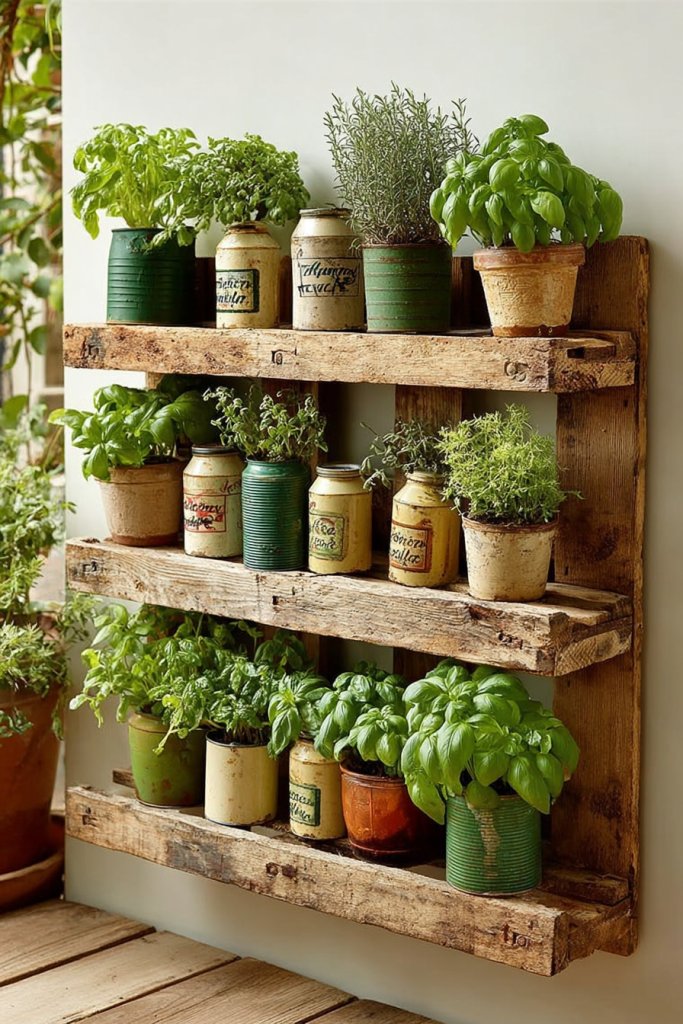
Craving fresh herbs but tired of cluttered counters or limited space? A vertical herb garden using recycled materials offers a smart, eco-friendly solution. It maximizes small spaces and keeps your herbs within arm’s reach. Plus, growing your own herbs reduces packaging waste and transportation emissions. It’s a simple project that’s both functional and sustainable, perfect for city dwellers or anyone short on space.
Picture a wall-mounted setup made from reclaimed wooden pallets or tin cans, stacked vertically with holes drilled for drainage. Lush green herbs like basil, cilantro, and mint burst from simple recycled containers. The setup is colorful and textured, adding a lively touch to your kitchen or balcony. Sunlight filters through, highlighting the vibrant greens and fresh aromas. The arrangement feels organic and playful, turning a blank wall into a thriving green space.
Recycled containers can range from vintage tins to plastic bottles cut in half, depending on your style and available materials. Vertical gardens can be mounted on fences, walls, or freestanding structures, fitting any space. In colder climates, consider adding a small grow light or moving the setup indoors during winter. You can also vary the herbs seasonally or combine edible plants with flowers for aesthetic appeal. Modular systems make expanding or rearranging easy.
Start by collecting recycled containers, ensuring they have drainage holes. Clean and prepare them with natural sealants or paint if desired. Mount a sturdy frame or wall bracket capable of supporting the weight. Fill the containers with a lightweight, organic potting mix. Plant your herbs, spacing them according to their growth habits. Position your garden in a sunny spot, water regularly, and prune for healthy growth. Use natural fertilizers like compost tea for extra eco benefits.
Decorate containers with recycled fabric or eco-friendly paints to match your decor. Incorporate small labels made from reclaimed wood or cork for easy identification. Add a drip-irrigation system using recycled bottles for low-maintenance watering. Grow herbs in a pattern or color scheme to enhance visual appeal. Engaging children or family members in planting can turn it into an educational, fun activity.
A vertical herb garden is a perfect blend of sustainability and practicality. It encourages healthy eating, reduces waste, and beautifies your home. Plus, it’s a rewarding project that proves eco-friendly living can be simple and stylish. Once established, it requires minimal maintenance and offers fresh herbs year-round. Ready to turn your wall into a lush, edible oasis?
8. Use Recycled Glass Tiles for Eco-Chic Backsplashes and Floors
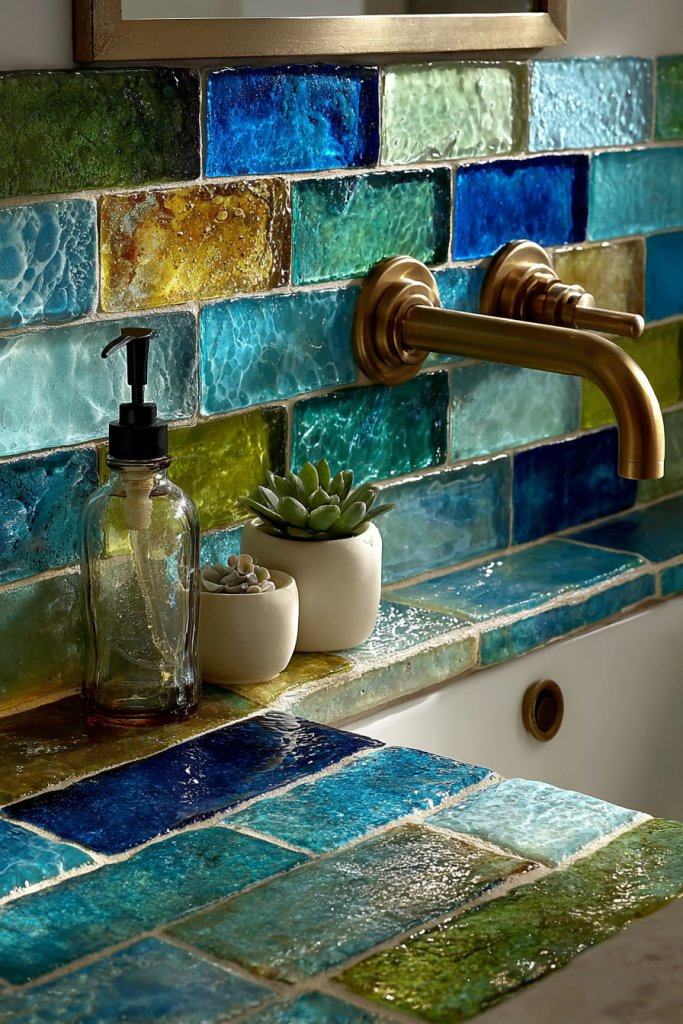
Tired of boring, generic tiles that lack personality and sustainability? Recycled glass tiles are a vibrant, eco-friendly alternative that can transform your kitchen or bathroom. They add a splash of color and sparkle, making even simple spaces feel luxurious. Best of all, they repurpose waste glass, reducing landfill clutter. It’s an easy way to make your home more stylish and planet-friendly at the same time.
Visualize a kitchen backsplash composed of shimmering glass tiles in shades of ocean blue and seafoam green. The tiles catch the light, creating a dynamic, luminous surface that changes with your perspective. The irregular shapes and translucent qualities add depth and texture, making the space lively. When illuminated, the glass sparkles like sunlight on water, elevating the entire room’s ambiance. It’s a bold, beautiful statement that’s as sustainable as it is stunning.
Recycled glass tiles come in various sizes, shapes, and colors, allowing for endless customization. For a classic look, choose uniform rectangular tiles; for a modern vibe, opt for irregular or mosaic patterns. In small spaces, light-colored tiles can make the room feel larger; darker hues add drama. Use glass tiles for backsplashes, shower surrounds, or even flooring for a unique, eco-conscious aesthetic. Combining with natural stone or wood accents enhances the organic feel.
Begin by selecting high-quality recycled glass tiles from eco-conscious suppliers. Prepare your surface by cleaning and leveling it, then apply a suitable adhesive recommended for glass tiles. Carefully lay the tiles, using spacers for even grout lines. Choose a non-toxic, eco-friendly grout to complete the look. Seal the tiles with a penetrating, eco-safe sealant to protect against stains and moisture. Regular cleaning with mild, non-abrasive cleaners keeps the sparkle alive.
Create custom patterns or incorporate accent tiles for visual interest. Use natural or recycled grout colors to complement your tiles. Add decorative borders or insets made from reclaimed materials for a personalized touch. Pair with eco-friendly cabinetry and fixtures to maintain a cohesive look. Seasonal accents like small potted herbs or decorative stones can be swapped in for variety.
Recycled glass tiles prove that sustainability can be glamorous. They elevate your space while reducing environmental impact, showing that eco-chic is achievable. Your home will radiate style and responsibility—impressive to guests and fulfilling for you. Small design choices like this can have a lasting positive effect on the planet. Ready to make your surfaces shine sustainably?
9. Incorporate Natural Fiber Rugs and Textiles for Eco-Friendly Warmth
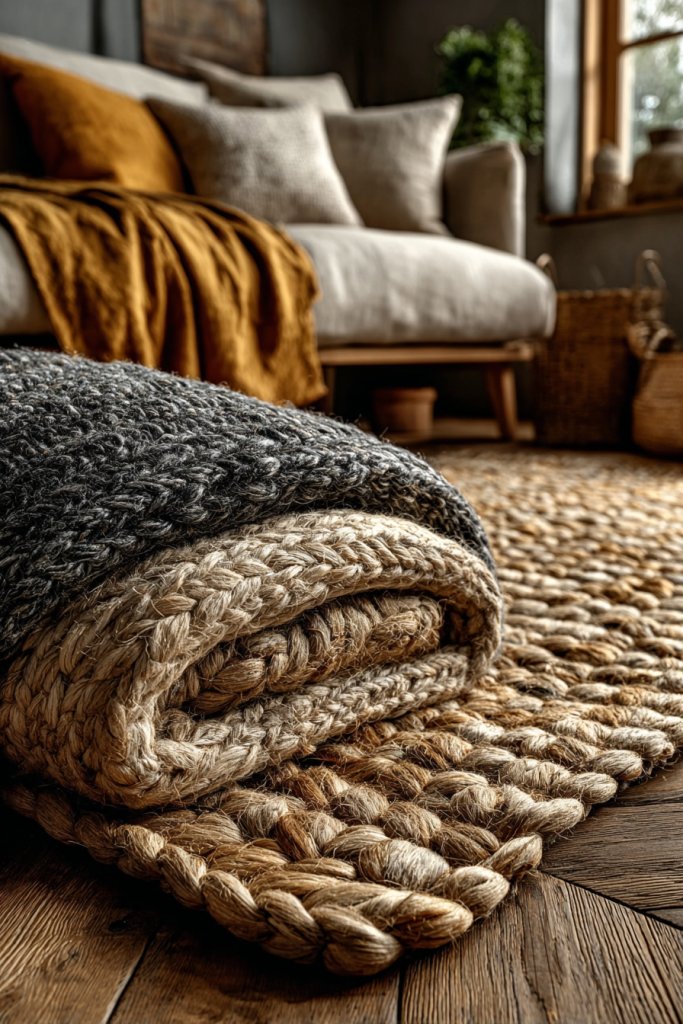
Feeling chilly or dull in your living space? Natural fiber rugs and textiles can add instant warmth and texture without harming the environment. They’re made from sustainable materials like jute, sisal, hemp, or organic cotton, which grow quickly and require minimal chemicals. These eco-friendly options also bring a cozy, tactile vibe that softens any room’s look. It’s a simple swap that makes your home both stylish and sustainable.
Imagine a living room with a large, handwoven jute rug featuring chunky fibers and earthy tones. The texture invites barefoot lounging while adding visual depth. Layered textiles like hemp throw blankets or linen cushions create a tactile mix that feels natural and relaxed. The warm, neutral palette complements wood furniture and eco-friendly finishes, creating a harmonious, organic aesthetic. The overall effect is inviting, cozy, and environmentally conscious.
Choose rugs and textiles in various weaves and thicknesses to suit your decor. For a coastal or boho vibe, go for light, airy fabrics; for rustic or industrial styles, opt for coarser weaves and darker hues. Seasonal swaps, like adding a wool throw in winter or linen in summer, keep things fresh. Natural fibers can be combined with recycled or repurposed furniture for a layered, eco-conscious look. Small decorative accents like tassels or embroidery can personalize your textiles.
Start by selecting high-quality, sustainably sourced rugs from reputable eco-friendly brands. Regularly vacuum and shake out your textiles to maintain freshness. Spot clean with mild, natural detergents—avoid synthetic chemicals. For rugs, occasional gentle washing or steam cleaning helps preserve fibers. Rotate textiles seasonally to prevent uneven wear. When choosing furniture, complement with woven baskets or organic cotton curtains for a cohesive eco vibe. DIY options include hand-woven or braided mats for a personal touch.
Add decorative trims or fringes made from recycled fabrics for a unique look. Layer different textures—like a chunky knit blanket over a smooth linen cushion—for visual interest. Use natural dyes or plant-based coloring for custom textiles. Incorporate sustainably made cushions or throws in your favorite colors. Personal touches like hand-stitched embroidery or patchwork can turn textiles into statement pieces that reflect your style.
Natural fiber rugs and textiles combine comfort with eco-consciousness, proving you don’t need to compromise style for sustainability. They help create a warm, inviting atmosphere that feels authentic and relaxed. Plus, they’re easy to replace or update as your tastes evolve, making them a versatile choice. Incorporate these simple, natural elements and enjoy a home that’s both beautiful and environmentally responsible. Ready to cozy up with eco-friendly fabrics?
10. Install Double-Glazed Windows to Maximize Energy Efficiency
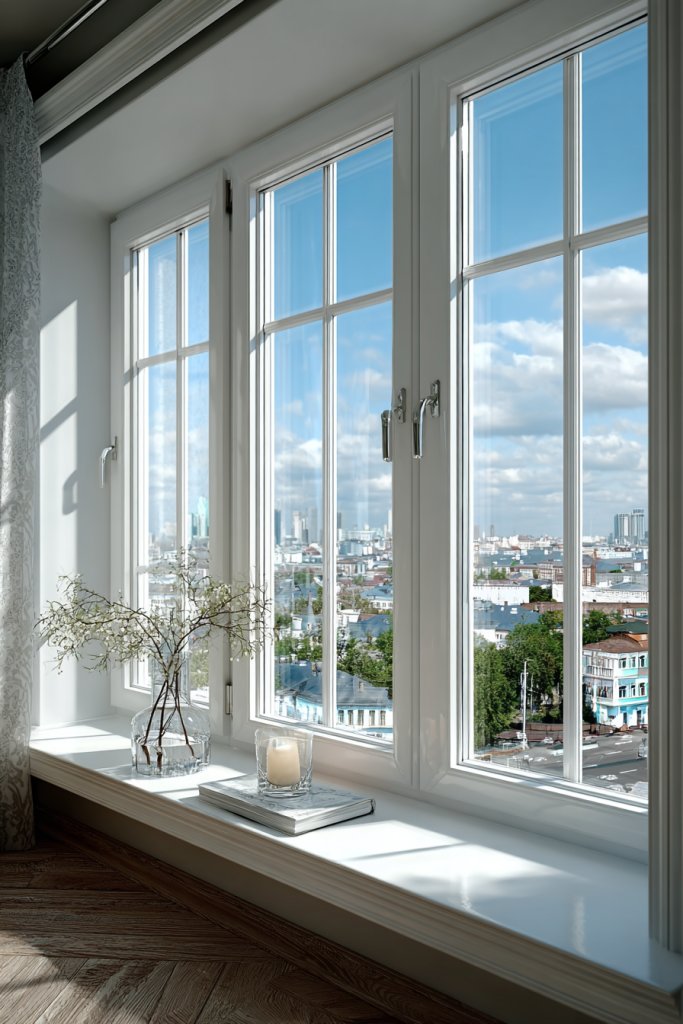
Feeling the chill in winter or sweating through summer? Old, single-pane windows are often the biggest culprits of energy loss. Installing double-glazed windows is a smart move for anyone wanting to cut heating and cooling costs while boosting comfort. They trap air between two panes, acting like a natural insulator. Plus, they reduce noise and improve your home’s overall energy footprint—hello, eco-friendly living!
Picture a sleek, modern window frame with two layers of clear glass separated by a thin gap filled with inert gas. The glass reflects light, creating a subtle shimmer, while the frame blends seamlessly into your wall. During winter, you notice how the room stays warmer, with less draft coming through. In summer, the cool interior remains untouched by outside heat. When you open or close the window, the smooth mechanism feels satisfying and solid—a testament to quality craftsmanship.
Double-glazed windows come in various styles—from casement to tilt-and-turn—matching different aesthetic preferences. For historic homes, choose models with authentic sash or frame details; for contemporary spaces, sleek minimal frames work best. Tinted or low-emissivity coatings can further improve energy efficiency. Seasonal considerations include adding external shutters or internal blinds. These upgrades can be combined with eco-friendly window frames made from recycled or sustainably sourced materials.
Begin by assessing your current windows’ condition and energy performance. Consult with a professional to choose the right double-glazing options for your climate. Remove old windows carefully, taking care not to damage surrounding structures. Install the new units using eco-friendly sealants and ensure proper insulation around the frame. Test for leaks or drafts, then finish with weatherstripping or trim as needed. Regular maintenance involves cleaning the glass and inspecting seals to ensure maximum efficiency. Consider upgrading to energy-efficient window frames if replacing entire units.
Customize your windows with eco-friendly window treatments like bamboo blinds or recycled fabric curtains. Use low-VOC paints or finishes on window frames to reduce chemical emissions. For added insulation, incorporate removable storm panels or thermal curtains during extreme weather. Consider smart window controls that automatically adjust for sunlight and temperature, reducing energy consumption further. These small touches enhance comfort and reinforce your eco-conscious lifestyle.
Installing double-glazed windows is a straightforward upgrade that pays off in comfort, savings, and sustainability. It’s a long-term investment that reduces your carbon footprint while making your home more peaceful and energy-efficient. Plus, it aligns with a lifestyle committed to eco responsibility. Once done, you’ll wonder why you didn’t do it sooner. Simple improvements like this can lead to a greener, more comfortable home.
11. Paint Walls with Zero-VOC Eco-Friendly Paints in Soft, Earthy Tones
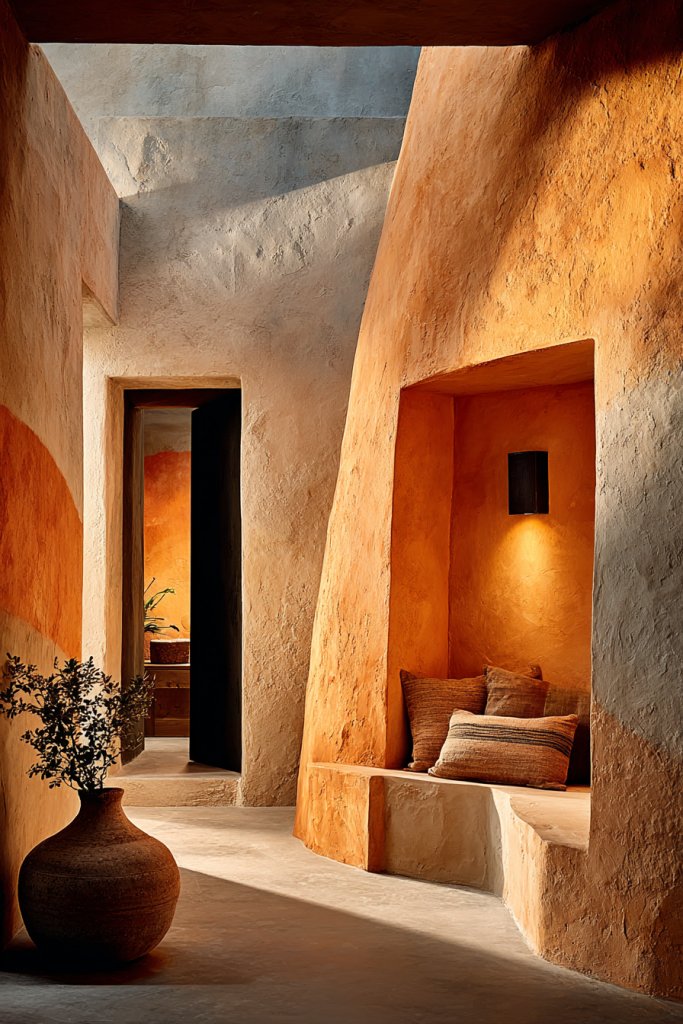
Ever noticed how indoor paints can sometimes leave you coughing or sneezing? Conventional paints often contain volatile organic compounds (VOCs) that harm indoor air quality. Switching to zero-VOC eco-friendly paints transforms your space into a healthier environment. Plus, choosing soft, earthy tones creates a calming, natural aesthetic that’s perfect for relaxation. It’s an easy upgrade that benefits both your health and the planet.
Imagine walls painted in warm, muted shades of beige, sage, or clay—colors inspired by nature. The matte finish diffuses light softly, giving the room a cozy, inviting glow. The texture of the paint feels smooth and velvety, free of chemical odors. In a well-lit room, these tones evoke a sense of serenity, like a quiet forest or a peaceful desert landscape. The overall ambiance is soothing, natural, and free from synthetic overtones.
Choose from a range of earthy shades to match your personal style—light neutrals for minimalism, deeper browns for richness. Matte finishes hide imperfections, while semi-gloss or eggshell adds a subtle sheen for more contemporary looks. Seasonal accents include adding textured wall coverings or eco-friendly wall decals. These paints pair well with natural textiles and sustainable furnishings, creating a holistic eco aesthetic. For small spaces, lighter colors can make rooms appear larger; darker tones add intimacy.
Start by preparing your walls—clean thoroughly and patch any holes or cracks. Select high-quality, zero-VOC paints from reputable brands. Use low-VOC or natural brushes and rollers to apply the paint evenly. Follow manufacturer instructions for drying times and multiple coats. Maintain good ventilation during application to prevent lingering odors. Finish with eco-friendly sealants or washable coatings for durability. Regular cleaning with non-toxic, mild cleaners keeps the walls looking fresh.
Add subtle textures with natural plaster or clay finishes for a tactile effect. Incorporate eco-friendly wall art or tapestries made from recycled fabrics to complement the paint. Use non-toxic, plant-based primers for a seamless look. Custom mixing of shades ensures your walls match your decor palette perfectly. Incorporate natural lighting and sustainable furniture to enhance the earthy vibe. Small details like eco-friendly switch covers or trim add the finishing touch.
Painting with zero-VOC paints is a simple step toward a healthier, more sustainable home. It shows your commitment to wellness and the environment without sacrificing style. The calming earth tones promote relaxation and mindfulness, turning your home into a sanctuary. Once you experience the difference, you’ll wonder why you ever used traditional paints. Fresh, eco-friendly walls are just the start of a greener lifestyle.
12. Use Reusable, Sustainable Storage Solutions for Clutter-Free Living
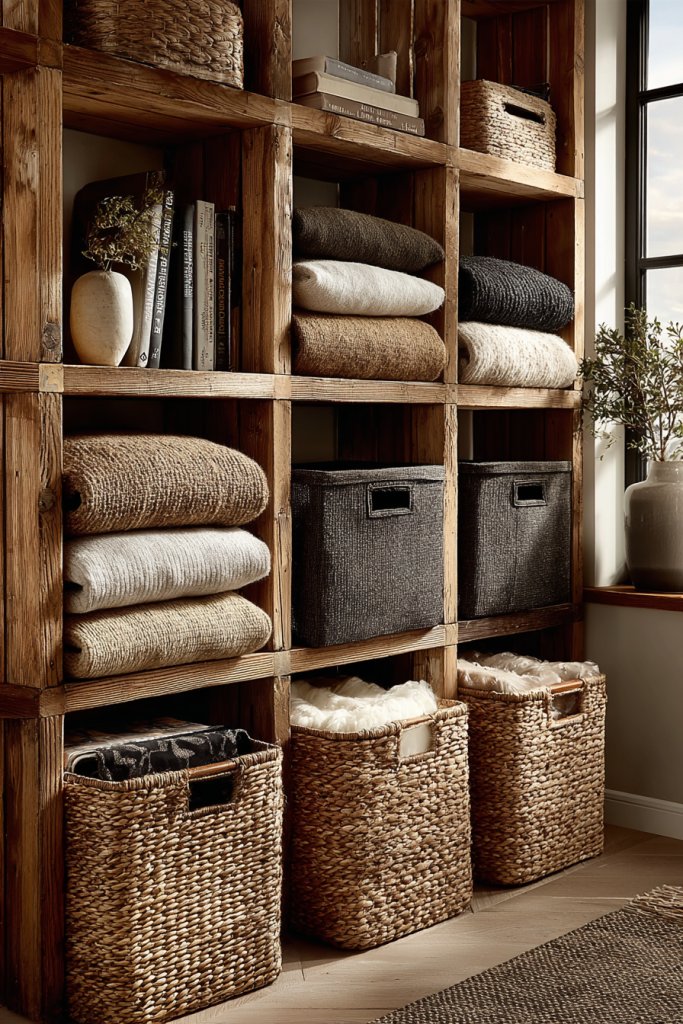
Clutter can make even the most beautiful spaces feel chaotic and stressful. Conventional storage often relies on cheap plastic bins or disposable furniture that quickly ends up in landfills. Reusable, sustainable storage solutions offer a smarter, eco-friendly way to keep things organized. They’re durable, stylish, and reduce waste—helping you live clutter-free and green. Who says eco living can’t be sleek?
Picture woven baskets made from seagrass or bamboo, neatly stacked on open shelves. Recycled wood crates hold your books or linens, adding warmth and texture. Soft fabric bins from organic cotton or recycled polyester sit tucked under beds or in closets. The overall look is natural, organized, and inviting—each piece telling a story of sustainability. The arrangement creates a calming flow, making tidying up feel less like a chore and more like a design statement.
Choose storage items in various sizes and styles to suit different needs—from small drawer organizers to large, stackable bins. In minimalist spaces, sleek metal or glass containers can add a modern touch. Vintage-inspired woven baskets work well in rustic or boho interiors. For seasonal updates, swap out materials or colors to keep things fresh. Incorporate modular units or DIY projects for a personalized touch that grows with your needs.
Start by auditing your space and identifying clutter hotspots. Select storage solutions made from recycled or natural materials—look for labels like FSC-certified wood or organic textiles. Organize items into categories, then assign each to an appropriate container. Label containers with eco-friendly tags or chalkboard paint to maintain order. Keep frequently used items accessible, and store seasonal or rarely used items out of sight. Regularly declutter to maintain a sustainable, tidy home. DIY options include sewing your own cloth bins or repurposing old furniture.
Customize storage with eco-friendly labels or decorative touches like painted patterns or fabric liners. Stack or arrange containers for a balanced aesthetic. Incorporate upcycled hardware or reclaimed wood for unique pieces. Use natural dyes or plant-based paints to add color. Personalize with family photos or meaningful objects in your storage units to make organization more enjoyable and personal.
Sustainable storage solutions prove that organization can be stylish and eco-friendly. They reduce waste, save money, and create a peaceful, clutter-free environment. Your home becomes a sanctuary that reflects your values without sacrificing style. With a little effort, you can transform chaos into calm—while helping the planet. Ready to get organized sustainably?
13. Create a Compost Corner Using Recycled Bins for Organic Waste
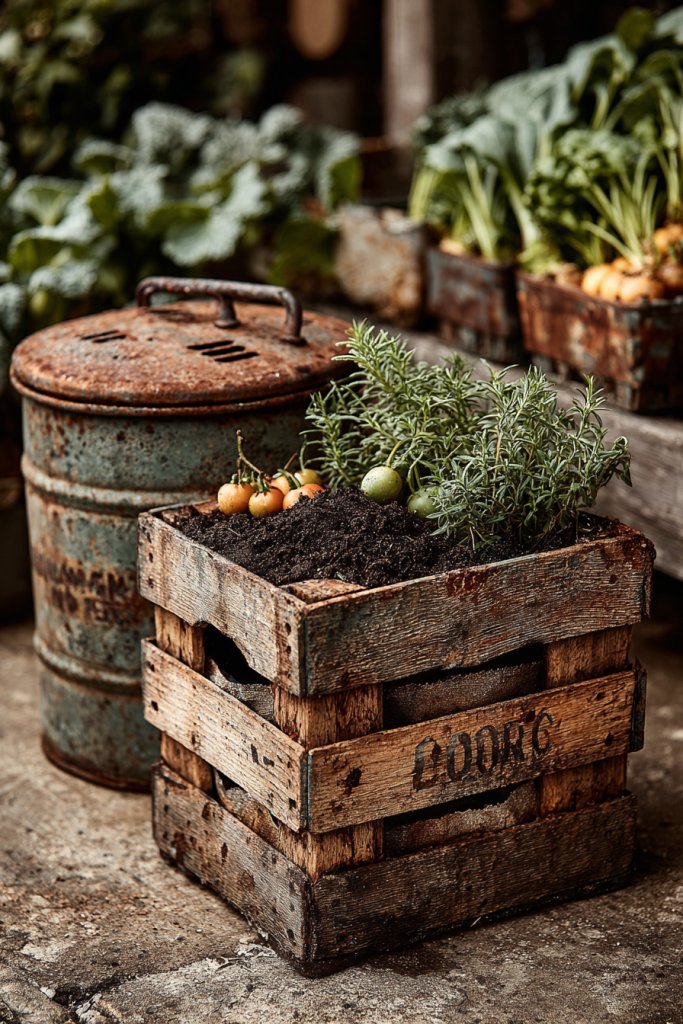
Hate throwing away organic waste and watching it go to landfills? Creating a compost corner is a simple, eco-friendly way to recycle kitchen scraps and garden waste. It reduces methane emissions, enriches your soil, and minimizes waste. Plus, it’s incredibly satisfying to turn waste into nutrient-rich compost for your plants. Ready to close the loop and make your home truly sustainable?
Visualize a cozy corner in your backyard or balcony with a repurposed recycled bin—perhaps a vintage metal drum or a wooden crate lined with compostable liners. Inside, vegetable peels, coffee grounds, and garden clippings decompose into dark, crumbly soil. A simple vented lid allows airflow, preventing odors. Herbs and vegetables nearby thrive thanks to your eco-conscious effort. The whole setup feels natural, functional, and connected to the cycle of life.
Use bins made from recycled plastics, wood, or metal—whatever suits your aesthetic and space. Small indoor composters work for apartments with limited outdoor space; larger outdoor bins fit bigger gardens. Add eco-friendly activators like coffee grounds or straw to speed up composting. Seasonal adjustments include covering the bin in winter or adding shredded paper for balance. Incorporate decorative touches like painted or stenciled bins for a personalized look.
Start by choosing a suitable container that’s ventilated and easy to access. Line it with biodegradable liners or compostable bags. Collect kitchen scraps daily, avoiding meat or dairy to prevent pests. Mix in dry materials like shredded paper or dried leaves to balance moisture. Turn the compost every few weeks to aerate and speed decomposition. Keep an eye on moisture levels—add water if too dry or dry materials if too wet. Harvest the finished compost after several months for your garden.
Label your bins with eco-friendly tags or paint for easy identification. Add a small sign explaining what can and cannot go into the compost to involve family members. Incorporate natural elements like stones or reclaimed wood around the bin for aesthetic appeal. Use a compost thermometer to monitor activity and optimize conditions. Share your composting journey on social media to inspire others and build community.
Setting up a compost corner transforms waste into wealth and promotes sustainable living. It’s a small action that greatly reduces landfill contributions and enriches your garden naturally. Plus, it’s incredibly rewarding to see your scraps turn into healthy soil. Your home becomes part of a larger eco-cycle, making a real difference. Ready to compost your way to a greener lifestyle?
14. Incorporate Bamboo Shelving and Furniture for Rapid Renewability
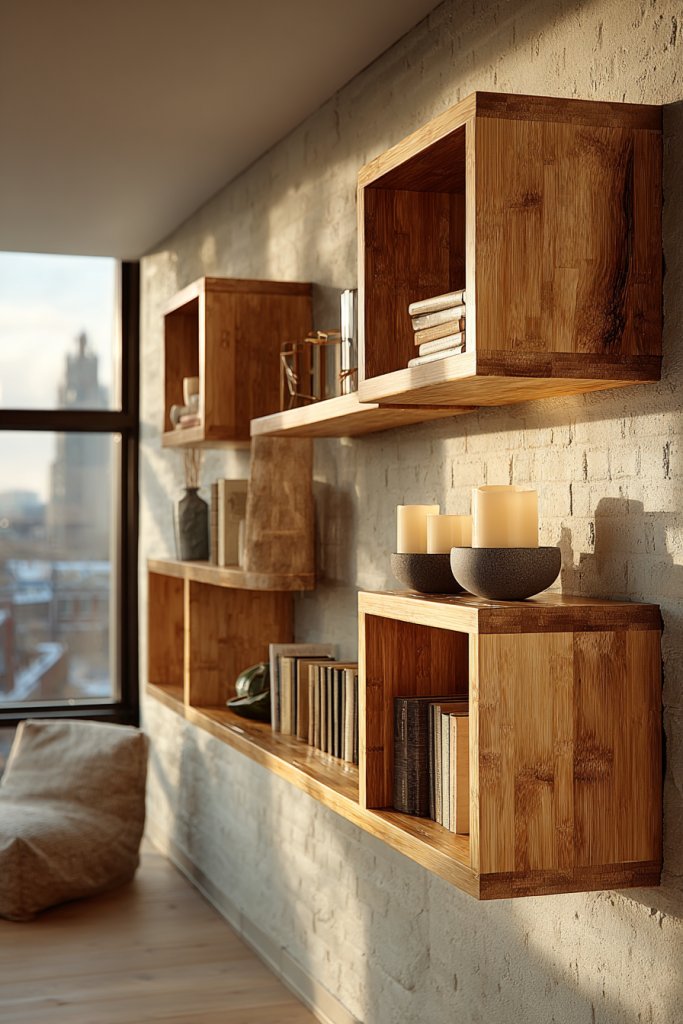
Tired of furniture that feels heavy on the environment and slow to replace? Bamboo offers a fast-growing, renewable alternative that’s perfect for stylish, eco-conscious homes. It’s incredibly versatile, from shelves to chairs, and adds a natural, airy vibe. Plus, bamboo’s rapid growth means it absorbs carbon quickly, making it a smart choice for sustainability-minded folks. Ready to upgrade your space with eco-friendly elegance?
Imagine sleek bamboo shelving units mounted on a wall, their light, golden hue contrasting beautifully with modern or rustic decor. The surfaces are smooth yet textured, with visible grain patterns adding visual interest. Bamboo furniture like stools, tables, or beds exudes a minimalist, organic charm. The natural fibers catch the light, creating a warm glow that makes the room feel fresh and inviting. It’s a look that’s both modern and rooted in nature.
Bamboo can be styled in many ways—from simple open shelving to intricate woven panels. It suits coastal, boho, or modern interior themes, depending on finish and design. In small spaces, wall-mounted shelves free up floor area, while larger pieces serve as statement furniture. Seasonal decor can be layered with textiles or ceramics for a personalized touch. For outdoor use, treated bamboo withstands weather, expanding its versatility.
Start by sourcing high-quality bamboo from sustainable suppliers. Treat the bamboo with eco-friendly sealants to enhance durability and resistance to pests. Assemble shelves or furniture using non-toxic adhesives and fasteners. Install securely on walls or floors, ensuring weight capacity is adequate. Regular maintenance involves cleaning with damp cloths and reapplying protective finishes periodically. DIY projects include cutting, sanding, and finishing bamboo for custom pieces.
Add decorative elements like woven baskets, plant holders, or cushions made from recycled fabrics. Incorporate contrasting materials such as recycled metal or glass accents for visual interest. Personalize with natural dyes or stains to match your decor palette. Use eco-friendly furniture polish or oil to maintain the bamboo’s luster. Combining bamboo with other sustainable materials creates a layered, eco-friendly aesthetic.
Bamboo furniture and shelving prove that sustainable materials can be stylish and durable. They support rapid renewability while adding a fresh, natural look to any home. Investing in bamboo shows your commitment to reducing environmental impact without sacrificing design. It’s a smart, forward-thinking choice that benefits both your space and the planet. Ready to bring eco-chic into your home?
15. Design a Solar-Powered Water Heating System for Cost Savings

Tired of sky-high energy bills just to keep your water warm? Solar-powered water heating offers an eco-friendly, cost-effective solution that pays for itself over time. It harnesses the sun’s free energy to heat your water, reducing reliance on electric or gas systems. Imagine enjoying hot water while slashing your carbon footprint. It’s a win-win for your wallet and the planet.
Picture a sleek solar thermal collector mounted on your roof, angled perfectly to catch the sunlight. The system includes insulated pipes leading to your water tank, which looks modern and unobtrusive. During sunny days, the collector glows with warmth, with heat visibly transferring into the tank. At night or cloudy days, the system seamlessly switches to backup energy. The whole setup feels innovative yet natural—integrating technology with sustainability.
Solar water heating systems vary from simple flat-plate collectors to more advanced evacuated tube designs, depending on your climate and budget. For small households, a single collector may suffice; larger families may need multiple units. Integrate the system with existing water heaters or opt for a dedicated solar tank. Seasonal adjustments include adding shading or reflective surfaces to optimize efficiency. Modern, sleek designs blend well with eco-conscious architecture.
Begin by assessing your roof’s orientation and available space. Consult with solar specialists to design a system suited to your household’s hot water needs. Install the collectors on a south-facing roof or optimal sun exposure area using eco-friendly mounting hardware. Connect the system with insulated piping to your existing water heater or a dedicated tank. Ensure proper drainage and safety controls are in place. Regular maintenance involves checking for leaks, cleaning the collectors, and inspecting the pump and controller. Professional installation is recommended for optimal performance.
Choose sleek, minimalist collector designs that complement your home’s aesthetic. Incorporate monitoring systems to track energy savings and system performance. Use eco-friendly, durable piping and fittings to extend lifespan. Integrate the system with rainwater harvesting or greywater reuse for maximum eco-efficiency. Add aesthetic touches like solar-powered LED lighting nearby to enhance visual appeal at night.
A solar water heating system exemplifies how innovation and sustainability go hand in hand. It drastically cuts energy costs while reducing greenhouse gas emissions. It’s a smart investment that aligns with a green lifestyle, making your home more independent from fossil fuels. Once installed, you’ll enjoy hot water with peace of mind and pride. Small steps like this can lead to a more sustainable future.
16. Use Eco-Friendly Silicone or Beeswax Wraps Instead of Plastic Wraps

Are you still using flimsy plastic wraps to store your leftovers? They’re convenient but harmful to the environment and your health. Eco-friendly silicone or beeswax wraps are reusable, natural alternatives that keep food fresh without creating waste. They’re fun to use, customizable, and better for the planet. Ready to ditch single-use plastics and embrace sustainable food storage?
Imagine wrapping a soft, vibrant beeswax cloth around a bowl of fresh fruit or a sandwich. The cloth molds easily, sealing in freshness with a natural tackiness. The wraps come in cheerful patterns or solid earthy colors, adding a touch of personality to your kitchen. As you wash and reuse them, they develop a charming patina, becoming more beautiful with age. It’s a simple, tactile ritual that connects you to nature.
Choose wraps in various sizes, from small squares for cheese to large sheets for covering bowls. Beeswax wraps can be crafted from organic cotton infused with beeswax, resin, and jojoba oil, or silicone for more flexibility. Use them for wrapping cheese, sandwiches, or covering leftovers—no more clingy plastic! They’re microwave and freezer safe, making them versatile. Seasonal patterns or custom dyeing add a personal, eco touch.
Start with high-quality, organic cotton fabrics. Melt beeswax pellets and infuse with jojoba oil and resin, then evenly coat the fabric using a brush or by dipping. Spread the coated fabric on a baking sheet and heat in the oven at a low temperature to set the wax. Let it cool and harden, then shape into wraps. Wash with cold water and mild soap; avoid hot water or detergents that strip the wax. Rewax periodically to maintain stickiness.
Decorate fabric wraps with natural dyes or embroidery for a customized look. Mix and match patterns to suit different foods or seasons. Incorporate labels made from recycled paper or fabric tags. Use in conjunction with eco-friendly storage containers made from glass or stainless steel. These wraps are perfect for taking lunches or storing produce, reducing reliance on disposable packaging.
Switching to beeswax or silicone wraps is a small act that makes a big environmental impact. They’re practical, fun, and help reduce plastic pollution in your home and beyond. Plus, they promote a mindful, zero-waste lifestyle that benefits everyone. Once you start using them, you’ll wonder how you ever relied on plastic. Embrace these natural wraps and join the eco revolution.
17. Install a Rainwater Harvesting System for Garden Irrigation
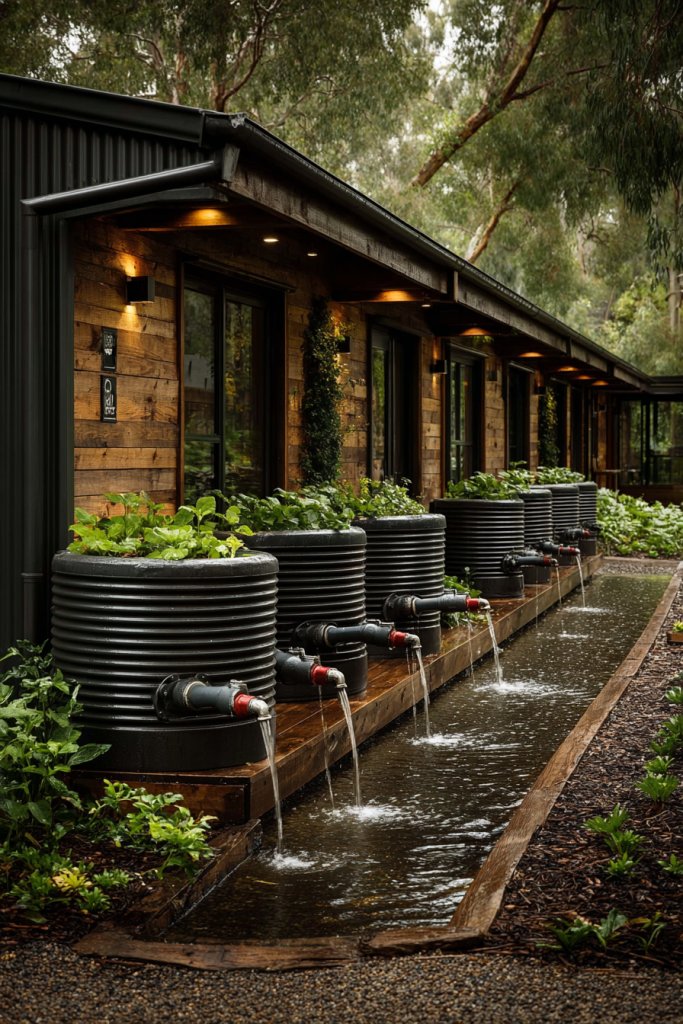
Tired of relying on municipal water for your garden? A rainwater harvesting system offers a simple, eco-friendly way to water your plants while reducing your water bills. It captures and stores rainwater, turning a free resource into a sustainable irrigation supply. Imagine watering your garden with pure rainwater, all while doing your part to conserve our precious water sources. Who knew that saving rain could be so rewarding?
Picture a series of large, recycled plastic or metal barrels positioned beneath your roof gutters, connected with pipes and valves. During a rainstorm, the system fills with crystal-clear water, ready for use. A spigot makes it easy to fill watering cans or connect hoses directly. The setup is functional yet unobtrusive, blending into your eco-friendly landscape. The rainwater gently flows into your garden beds, nourishing your plants naturally and sustainably.
Rainwater systems come in various sizes and configurations, from small backyard setups to large-scale commercial models. Choose barrels made from recycled plastics or metal for durability. Add a first-flush diverter to prevent debris from entering the tank. Seasonal adjustments include covering the tanks to prevent freezing or algae growth, and installing filters for cleaner water. Integrate with drip irrigation or soaker hoses for efficient watering.
Start by assessing your roof’s catchment area and choosing appropriate storage containers. Install gutters and downspouts that direct rainwater into the barrels, using eco-friendly fittings. Attach a filter or screen at the inlet to catch debris. Connect the barrels with overflow pipes or diverters to prevent flooding. Incorporate a basic pump or gravity-fed system to distribute water to your garden. Regularly clean the gutters, filters, and tanks to maintain water quality.
Decorate tanks with eco-friendly paints or plant climbing vines around them for visual appeal. Use rainwater for multiple purposes—watering, washing, or even toilet flushing if integrated with greywater systems. Add a solar-powered pump or timer to automate watering schedules. Incorporate decorative stones or recycled materials around the system for a natural look. Share your system on eco-communities or social media to inspire others.
A rainwater harvesting system is a practical step toward water independence and sustainability. It reduces your environmental impact, lowers bills, and supports healthier gardens. Plus, it’s a project that can be customized to fit your space and style. Once set up, you’ll enjoy the satisfaction of using a renewable resource and contributing to water conservation. Small changes like this add up to a greener future.
18. Opt for Energy-Efficient LED Lighting Throughout the Home
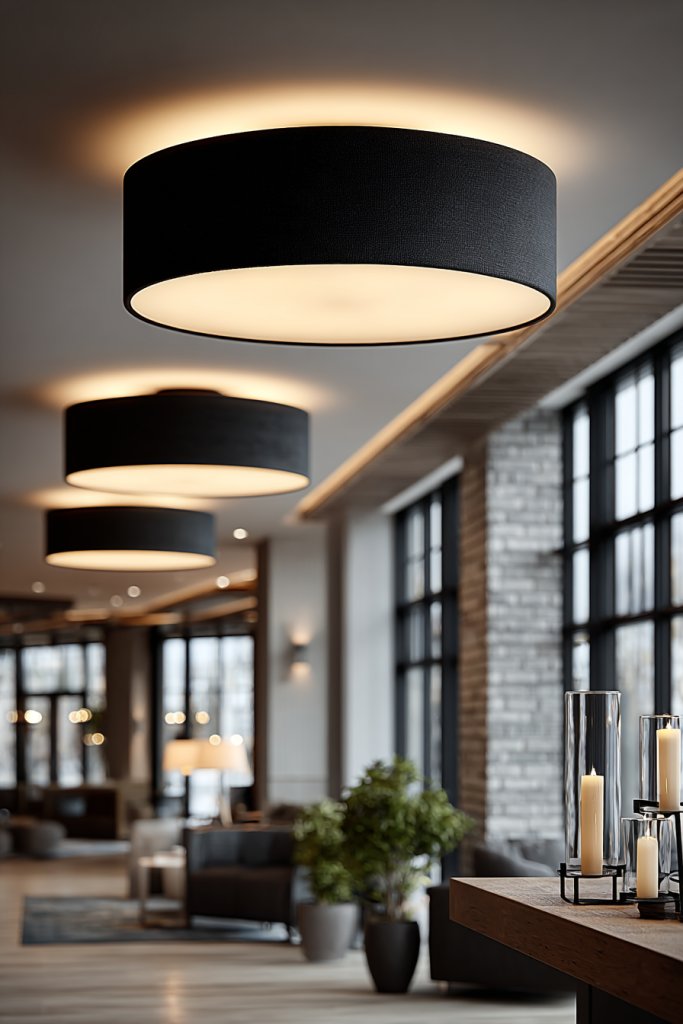
Are your current light bulbs draining your energy and making your bills soar? LED lighting is the eco-smart choice that reduces power consumption while providing bright, reliable illumination. They last longer, emit less heat, and are available in a variety of styles. Switching to LEDs is a quick, impactful step toward making your home more sustainable and cost-efficient. Who knew that changing a bulb could make such a difference?
Imagine replacing your old incandescent bulbs with sleek, modern LED fixtures—perhaps a minimalist pendant or recessed ceiling lights. The light is crisp, clear, and evenly distributed, creating a welcoming atmosphere. The fixtures themselves come in various finishes—matte black, brushed nickel, or eco-friendly recycled materials—that blend seamlessly with your decor. During the evening, the warm glow from LED bulbs adds coziness without the energy guilt. It’s a simple upgrade that transforms your space.
LED bulbs are available in different shapes and color temperatures—from cool whites to warm ambers—allowing customization for any room. Use dimmable LEDs to control mood and save even more energy. Install fixtures with energy-efficient designs like flush mounts, track lighting, or smart controls. Seasonal adaptations include installing motion sensors or timers for outdoor lighting. The versatility of LED options means you can maintain your style while boosting efficiency.
Start by replacing old bulbs with LED equivalents—check lumens and color temperature for your desired ambiance. For fixtures, choose models with high energy-efficiency ratings. If wiring permits, install dimmer switches or smart controls to optimize usage. Ensure fixtures are compatible with LED bulbs to prevent flickering or damage. Regularly clean fixtures and replace bulbs as needed—though LEDs last significantly longer than incandescent or CFL bulbs. Consider smart home integrations for remote control and scheduling.
Match fixture styles with your interior design—sleek, vintage, industrial, or rustic. Use color-changing LEDs for dynamic lighting scenes at parties or cozy evenings. Incorporate solar-powered outdoor LED lights in gardens or pathways for eco-friendly illumination. Add decorative covers or lens filters to customize light diffusion. Layer lighting with task, ambient, and accent sources to create a balanced, inviting environment.
Switching to LED lighting is a simple, effective way to reduce your carbon footprint and energy bills. It’s a small change with big long-term benefits—saving money and supporting a sustainable future. Plus, it’s a quick DIY upgrade that anyone can do. Once you see the savings and improved ambiance, you’ll wonder why you didn’t switch sooner. Brighten your home the smart, eco-friendly way!
19. Incorporate Potted Succulents and Drought-Tolerant Plants Indoors
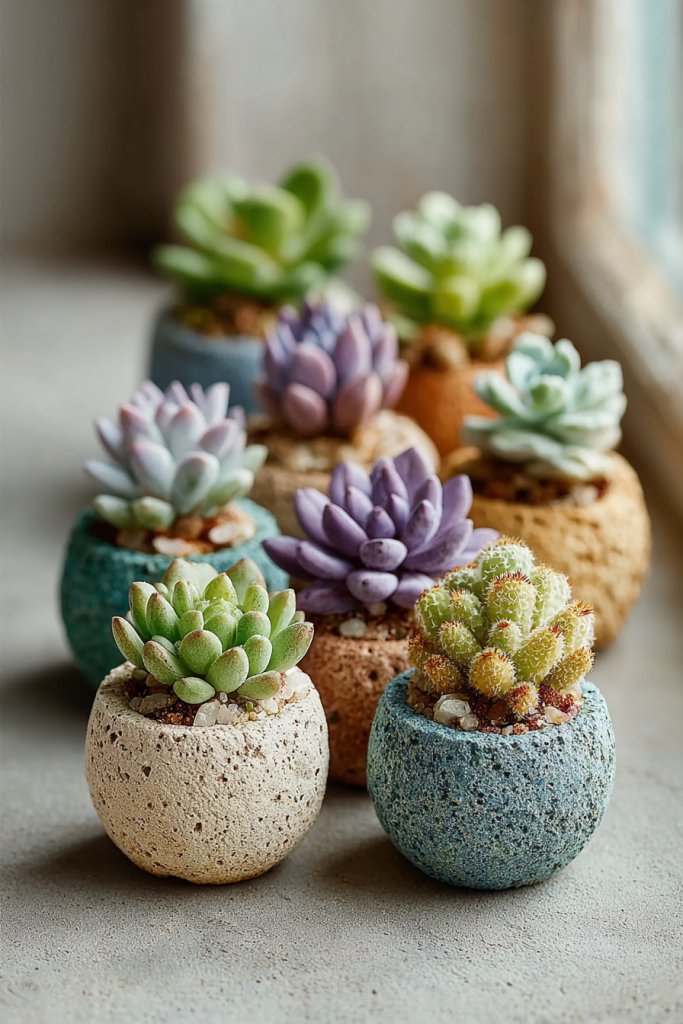
Want to bring a touch of greenery inside but worried about water waste and high maintenance? Potted succulents and drought-tolerant plants are perfect for creating a lush, natural vibe with minimal effort and water. They thrive in small spaces, require little attention, and add natural beauty to any room. It’s a smart, eco-friendly way to enjoy plant life without sacrificing sustainability or convenience.
Imagine a collection of small, sculptural succulents arranged on a windowsill or tabletop, their fleshy leaves in shades of green, purple, and blue. The pots are made from recycled ceramics, concrete, or reclaimed wood, adding texture and eco-conscious charm. The plants’ geometric forms and soft colors create a calming, modern aesthetic. When sunlight hits them, they seem to glow with vitality, turning your space into a mini desert oasis that’s both stylish and sustainable.
Arrange succulents in clusters for a striking display, or use single plants as focal points. Use containers made from recycled materials or natural fibers for added eco flair. Mix different shapes and heights to create visual interest. For a seasonal touch, swap in seasonal pots or add decorative stones or sand. For outdoor patios, choose hardy, drought-resistant plants that can withstand local conditions. Incorporate vertical arrangements or wall-mounted planters for small spaces.
Start by selecting drought-tolerant, low-maintenance plants suited to your indoor environment. Use well-draining soil and eco-friendly pots with drainage holes. Water sparingly—usually once every few weeks—allowing soil to dry out completely between waterings. Place plants in bright, indirect sunlight and rotate regularly for even growth. Avoid overwatering, which can cause root rot. Fertilize minimally with organic, water-soluble plant food during active growing seasons.
Decorate pots with natural or recycled materials—pebbles, shells, or painted designs. Group plants based on color, size, or theme for visual harmony. Incorporate eco-friendly plant stands or wall-mounted planters for added style. Use natural dyes or eco-friendly paints to decorate pots for a personalized touch. Regularly prune and clean the plants to keep them healthy and attractive.
Indoor succulents and drought-tolerant plants demonstrate that eco-living can be beautiful and effortless. They improve indoor air quality and bring a calming, natural element into your home. With minimal watering and care, you can enjoy lush greenery without guilt or hassle. They’re perfect for busy lifestyles and small spaces alike. Start small, and watch your eco garden grow—one succulent at a time.
20. Use Eco-Friendly, Low-Impact Insulation Materials in Walls and Attics
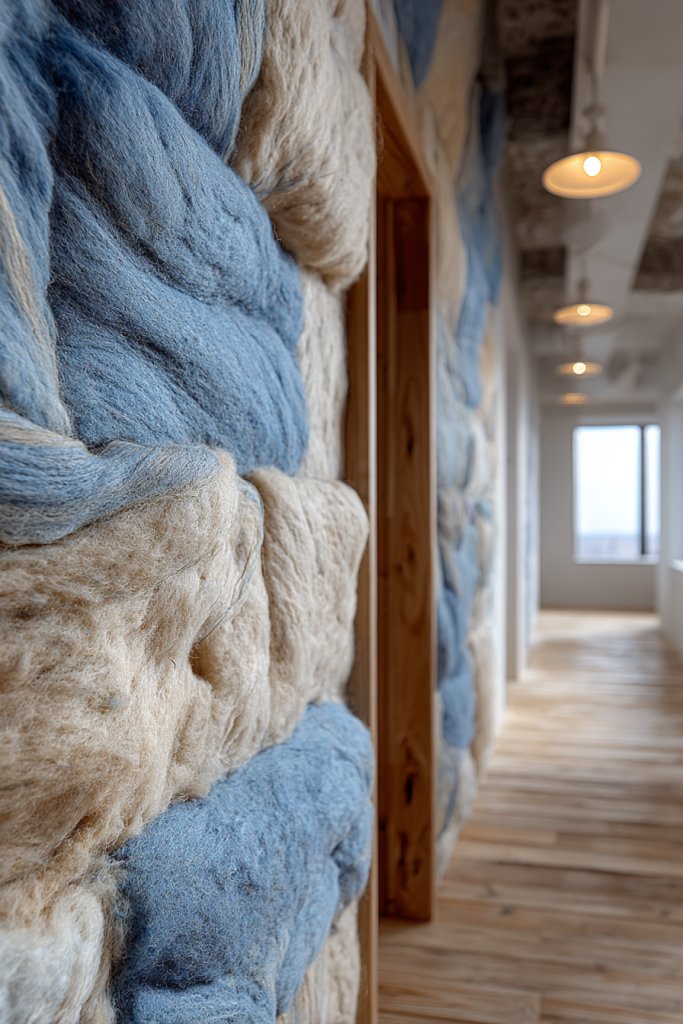
Heating and cooling accounts for a huge chunk of home energy use, often lost through poorly insulated walls and attics. Traditional insulation materials can contain harmful chemicals and have a big environmental footprint. Eco-friendly, low-impact insulation offers a smarter, safer way to improve thermal efficiency while minimizing environmental harm. Imagine keeping your home warmer in winter and cooler in summer—without the guilt.
Visualize walls lined with thick, textured batts made from recycled denim, sheep’s wool, or cellulose. The natural fibers have a cozy appearance and feel soft to the touch. Attics are insulated with loose-fill cellulose or wool, creating a seamless barrier that fits snugly into every nook. The materials breathe, preventing moisture buildup and maintaining indoor air quality. When you walk through your home, it feels naturally comfortable—like a warm embrace from the environment.
Choose insulation suited to your climate—wool and cellulose for colder regions, or recycled foam for moderate climates. In walls, batts or spray foam can be installed with minimal disruption; in attics, loose-fill or blown-in options work well. Use natural, non-toxic sealants around edges and penetrations. Seasonal considerations include adding vapor barriers or breathable membranes to prevent moisture issues. These materials pair beautifully with sustainable drywall or interior finishes.
Begin by evaluating your current insulation and identifying areas of heat loss. Source eco-friendly insulation products from certified suppliers. Install batts or rolls between studs, ensuring a snug fit without gaps. For attics, blow or spray insulation evenly across the surface. Seal all penetrations with natural, low-VOC sealants. Conduct air sealing around windows, doors, and vents for maximum efficiency. Regular inspections help maintain performance and prevent issues like mold or pests.
Decorate your interior with sustainable wall finishes that complement the insulation. Use reclaimed wood, natural plaster, or clay paints for a holistic eco aesthetic. Incorporate personalized touches like eco-friendly insulation covers or decorative insulation panels. Combine insulation with other energy-saving measures like smart thermostats or solar panels. Share your eco-friendly upgrades with friends or online communities for inspiration and motivation.
Choosing eco-friendly insulation demonstrates a commitment to sustainability and home health. It reduces energy costs and creates a healthier indoor environment. Plus, it supports the global effort to reduce greenhouse gas emissions. Your home becomes a model for environmentally responsible living. Small upgrades like this add up to a significant positive impact—your future self will thank you.
21. Install a Programmable Thermostat for Optimal Energy Management
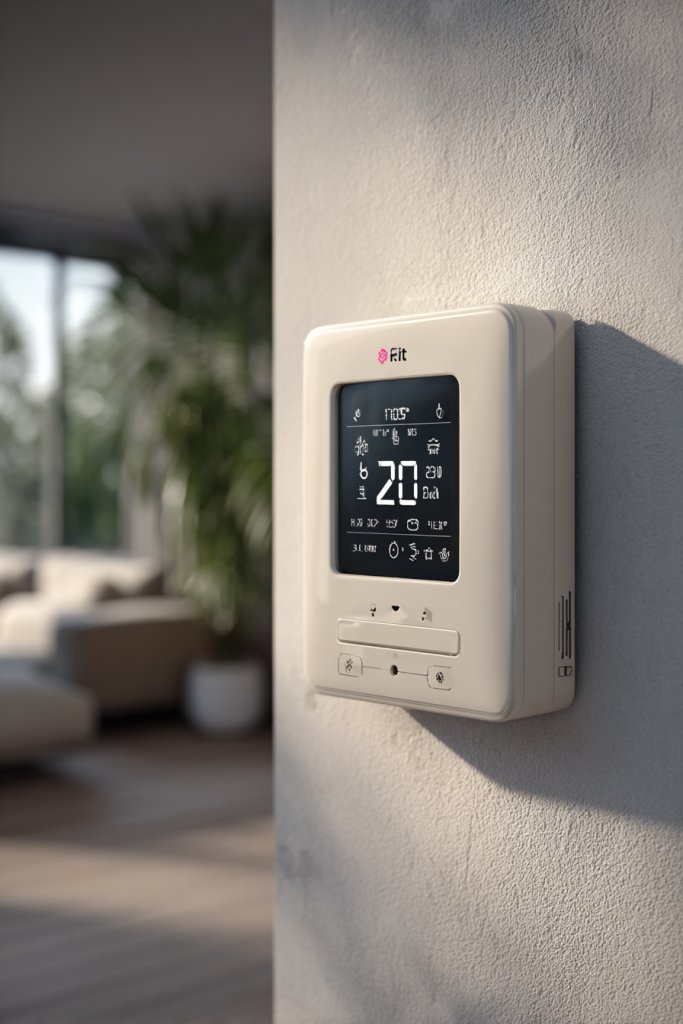
Ever wish you could control your home’s temperature more efficiently? A programmable thermostat allows you to set heating and cooling schedules that match your lifestyle. It reduces waste by adjusting temperatures when you’re away or asleep. Plus, it’s a smart way to lower energy bills without sacrificing comfort. Who knew that a small device could make such a big difference?
Imagine a sleek digital thermostat mounted on your wall, its screen displaying a customizable schedule. You program it to lower the temperature during work hours and ramp up before you arrive home. The interface is intuitive, with simple buttons or a touchscreen. During winter, you notice your home stays cozy, and in summer, it stays cool without unnecessary running of the AC. The device seamlessly integrates with your eco-conscious lifestyle, providing peace of mind and savings.
Choose from models with sleek, modern designs or more traditional styles to match your decor. Some thermostats are compatible with smart home systems, allowing remote control via smartphone or voice assistants. Use scheduling features to optimize energy use based on your daily routine—early mornings, weekends, or vacations. Seasonal settings include vacation modes or adaptive learning features that adjust based on your habits. Combining with other energy-saving devices maximizes efficiency.
Begin by selecting a thermostat compatible with your heating and cooling system. Turn off power, then remove your existing thermostat and install the new one following the manufacturer’s wiring instructions. Connect to your Wi-Fi network for remote access and scheduling. Set your desired temperature schedules, considering your daily routine and occupancy patterns. Test the system thoroughly to ensure it responds correctly. Regularly update firmware and check batteries if applicable for continued reliable operation.
Customize your schedule for weekdays, weekends, and special occasions. Use eco-friendly, low-impact wall covers or paint around the thermostat for aesthetic harmony. Integrate with solar or other renewable energy systems for even greater savings. Enable notifications for maintenance reminders or system updates. Share your energy management setup with friends or online eco-communities to inspire smarter living.
A programmable thermostat empowers you to manage energy use effectively, reducing your carbon footprint and expenses. It’s a small device with a big impact—making your home smarter and greener. The convenience of remote control and automation adds to your comfort and peace of mind. Over time, these small adjustments lead to significant environmental benefits. Take control today for a more sustainable future.
22. Design Multi-Functional Furniture to Maximize Space and Reduce Material Use
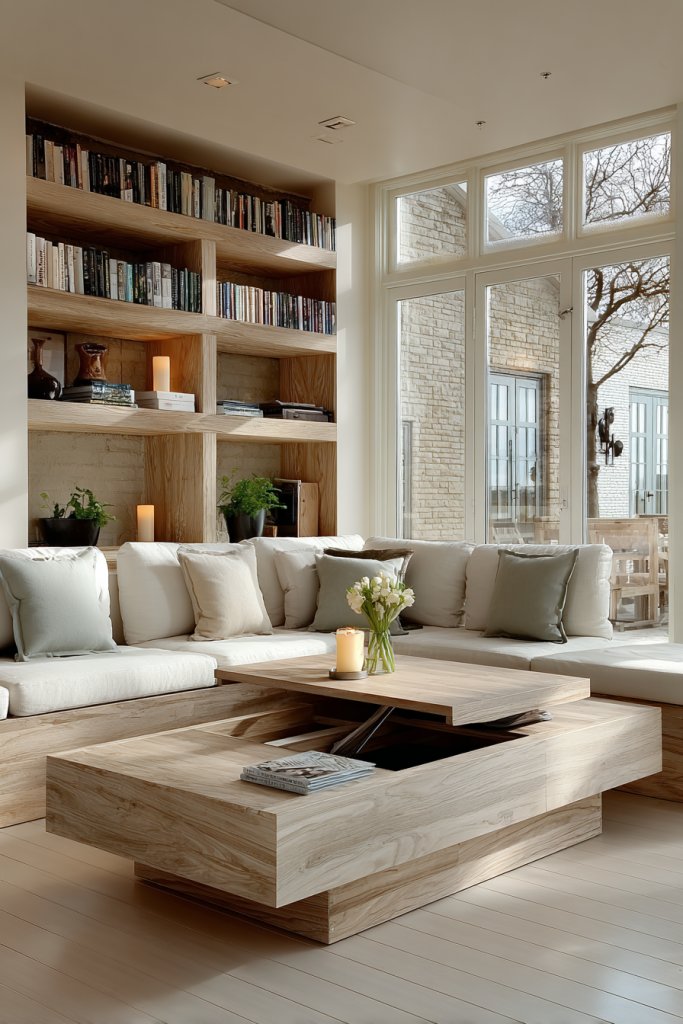
Living in a small space and feeling overwhelmed by clutter? Multi-functional furniture is the answer—saving space while reducing material waste. It combines two or more functions into one piece, like a sofa bed or storage ottoman. This approach maximizes utility without sacrificing style. Who knew that one piece of furniture could do so much?
Picture a sleek, modern coffee table that lifts to reveal hidden storage or transforms into a dining table. Or a sofa with built-in shelves and fold-out beds, perfect for hosting guests. The furniture features clean lines, natural finishes, and minimal hardware—blending seamlessly into your decor. When not in use, it remains unobtrusive, but when needed, it transforms to meet your needs. It’s like having a magic wand for your space.
Choose pieces that suit your style—scandinavian minimalism, industrial chic, or cozy rustic. For small apartments, opt for wall-mounted fold-down desks or beds that fold into the wall. Larger homes can incorporate multi-purpose storage beds or modular units. Seasonal adaptations include swapping decorative cushions or adding removable covers. Matching your furniture with eco-friendly materials like reclaimed wood or recycled metal enhances the sustainability factor. Flexibility is key.
Start by assessing your space and listing your priorities—storage, seating, sleeping. Research multi-purpose furniture options made from sustainable sources. Measure your rooms carefully to ensure fit. Assemble or customize pieces using eco-friendly adhesives and hardware. Use modular or convertible designs for maximum flexibility. Maintain by cleaning with natural products and avoiding synthetic finishes. DIY projects include building your own fold-out beds or storage ottomans from reclaimed wood.
Add personal touches with eco-friendly textiles—organic covers, recycled cushions, or natural fiber upholstery. Incorporate decorative elements like reclaimed hardware or painted accents. Arrange furniture to create distinct zones within open-plan spaces. Use eco-friendly, removable covers for seasonal updates. Personalize with small objects or plants (indirectly, avoiding restricted items) that enhance the aesthetic.
Multi-functional furniture proves that smart design and sustainability go hand in hand. It helps you live efficiently in limited space while reducing waste. Your home becomes more adaptable and stylish—an ideal eco-conscious lifestyle. These pieces are a testament to innovative living—simple, functional, and responsible. Ready to transform your space into a multifunctional haven?
23. Create a DIY Vertical Recycling Station Using Upcycled Containers
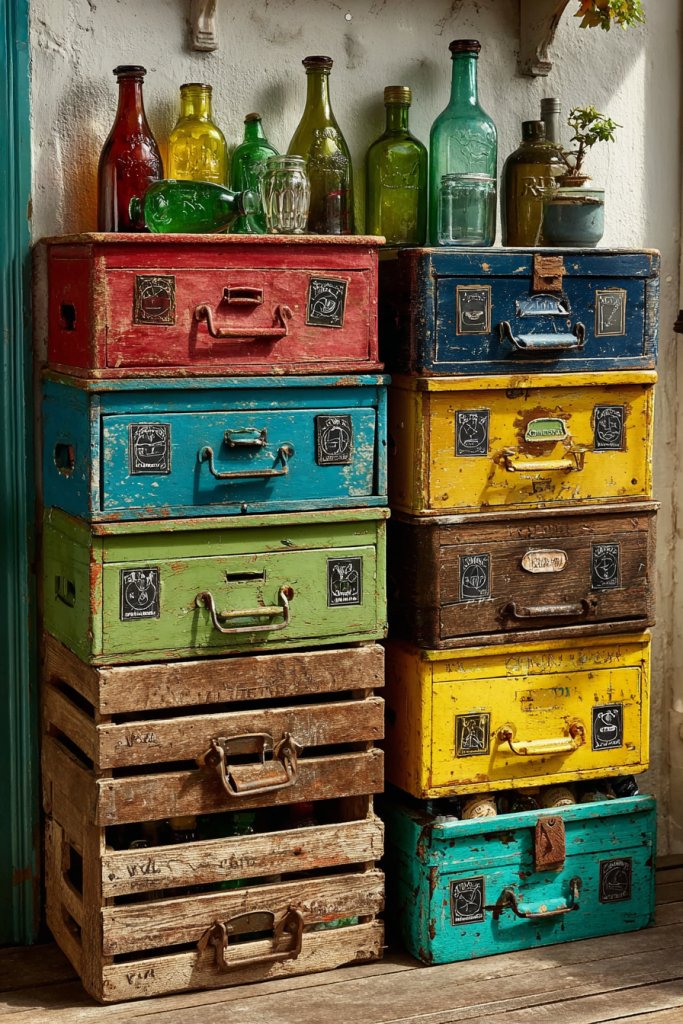
Hate the clutter of scattered recyclables and wish it looked a bit more stylish? A DIY vertical recycling station made from upcycled containers is the perfect eco-friendly solution. It keeps your recyclables organized, accessible, and visually appealing. Plus, it’s a fun project that turns trash into treasure. Ready to make recycling both functional and fashionable?
Imagine a tall, narrow wall-mounted setup with repurposed tin cans, glass bottles, or wooden crates stacked vertically. Each container is labeled with eco-friendly tags or painted with chalkboard paint for easy reuse. The arrangement is neat, colorful, and inspiring—transforming a mundane task into a decorative feature. The containers hold paper, plastics, or metals, all within easy reach, encouraging regular recycling. It’s a sustainable, artistic way to organize your waste.
Use containers made from reclaimed wood, metal, or glass—whatever matches your decor and available materials. For small spaces, slender wall-mounted units save floor space; larger setups can be freestanding or on wheels for mobility. Incorporate decorative touches like painted patterns or recycled hardware. Seasonal updates include changing labels or adding eco-friendly stickers. Customize according to your recycling habits and aesthetic preferences.
Start by collecting upcycled containers—think cans, jars, or wooden boxes—cleaned thoroughly. Label each with eco-friendly materials like chalkboard paint or recycled paper tags. Mount them on a wall or place on a sturdy shelf, ensuring stability. Organize recyclables by type, and establish a routine for emptying and cleaning containers. Use eco-friendly adhesives or hardware for mounting. Regularly review and update the setup to stay organized and motivated.
Decorate containers with eco-conscious paints or stickers. Add small, upcycled labels or tags with creative designs. Incorporate decorative elements like reclaimed wood trims or painted patterns. Use different colors or shapes to distinguish categories visually. Share your recycling station on social media to inspire others. Keep it fun, functional, and aligned with your eco-values.
A DIY vertical recycling station shows that sustainability starts at home. It helps reduce waste clutter and encourages eco-conscious habits daily. Plus, it adds a creative, personal touch to your space. Every small effort counts, and this project makes recycling easier and more enjoyable. Ready to turn trash into a stylish, eco-friendly feature?
24. Use Non-Toxic, Natural Cleaning Products for a Healthy Home

Are harsh chemical cleaners making your home feel less healthy? Many conventional cleaning products contain toxins that can harm your family and the environment. Switching to non-toxic, natural cleaning solutions is a simple, effective step toward a healthier home. Imagine a clean house free of chemical odors and residues—safe for kids, pets, and the planet. Ready to clean green?
Picture a spray bottle filled with a clear, homemade solution made from vinegar, baking soda, and essential oils. The scent is fresh, natural, and uplifting, unlike artificial fragrances. You wipe down surfaces with a soft cloth, feeling good about avoiding synthetic chemicals. Natural cleaning ingredients foam gently, removing dirt without harsh abrasives. The whole process feels pure, simple, and satisfying—like giving your home a gentle, eco-friendly hug.
Create your own cleaning blends tailored to specific needs—lemon for freshness, tea tree for antimicrobial properties, or lavender for relaxation. Use reusable spray bottles, cloths, and brushes made from eco-friendly materials. Seasonal variations include adding citrus peels or herbs to your cleaning solutions for extra scent and benefits. For heavily soiled areas, look for biodegradable, plant-based cleaners that work as well as conventional products. Incorporate into your routine for daily or weekly maintenance.
Gather ingredients like vinegar, baking soda, castile soap, and essential oils from eco-conscious suppliers. Mix your solutions in reusable bottles—label them clearly. Use microfiber cloths, bamboo brushes, or natural sponges for cleaning. Test your solutions on small areas first to ensure compatibility. Store your cleaning supplies in a dedicated, eco-friendly caddy or cabinet. Regularly replace or renew your homemade mixtures to maintain effectiveness and freshness. Avoid synthetic fragrances or dyes.
Customize scents with your favorite essential oils—peppermint, eucalyptus, or citrus. Decorate reusable bottles with eco-friendly labels or painted designs. Add small pouches of dried herbs or citrus peels in your cleaning caddy for a natural scent boost. Incorporate sustainable cleaning tools like bamboo scrub brushes or hemp cloths. Share your recipes and tips with friends or online communities to promote eco-friendly habits.
Using non-toxic, natural cleaning products shows your commitment to health and sustainability. It reduces chemical exposure and waste, creating a safer home environment. Plus, it’s empowering to craft your own solutions and avoid harmful ingredients. Your home will smell fresh and clean without synthetic fragrances or residues. Small, eco-friendly choices like this make a big difference—one clean room at a time. Ready to go green in your cleaning routine?
25. Incorporate Sustainable Art Using Recycled and Natural Materials
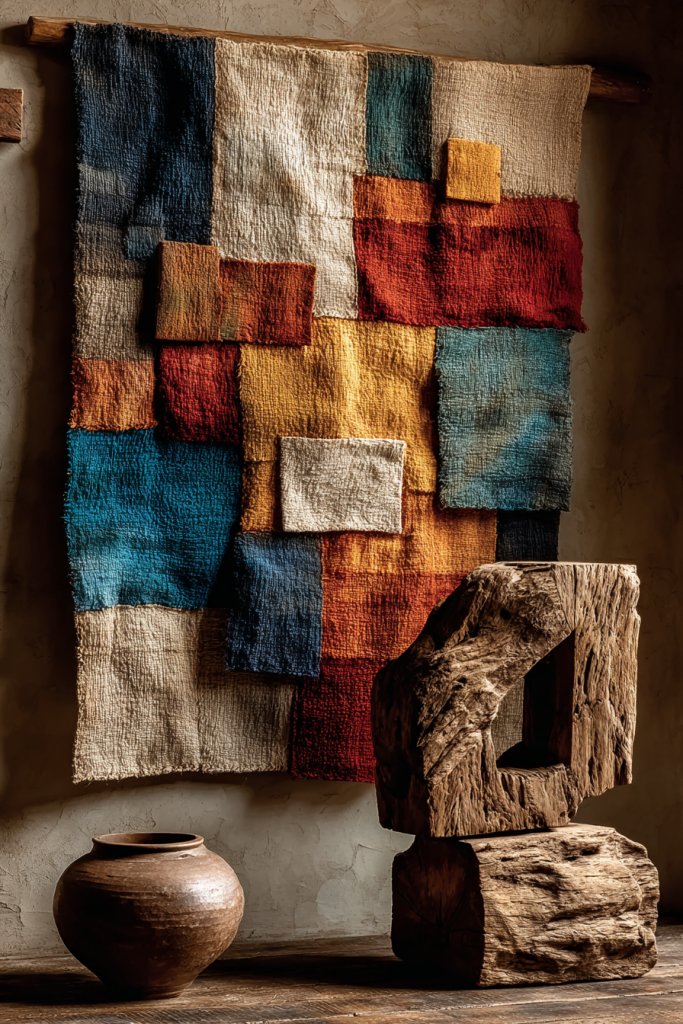
Looking for art that’s beautiful, meaningful, and eco-friendly? Sustainable art made from recycled or natural materials is a perfect way to decorate thoughtfully. It supports environmental awareness while adding unique character to your home. Whether it’s a sculpture from reclaimed wood or a textile piece from natural fibers, these artworks tell a story. Ready to adorn your space with purpose?
Imagine a wall hanging crafted from vintage fabrics, natural dyes, and reclaimed textiles, forming a vibrant mosaic. Or a sculpture made from driftwood or metal scraps, shaped into an abstract form. The textures are tactile, inviting touch and curiosity. The colors are earthy or bold, complementing eco-inspired decor. When illuminated, these pieces radiate warmth and authenticity—each one a conversation starter and reflection of your values.
Choose art in various forms—wall hangings, sculptures, or mixed-media installations—adapted to your style. Incorporate natural fibers like hemp, jute, or organic cotton in textile art. Use reclaimed wood or metal for wall sculptures or frames. Seasonal themes include adding woven or embroidered pieces, or swapping artworks to reflect nature’s cycles. Combine with eco-friendly furniture and decor for a cohesive, sustainable aesthetic.
Source recycled or natural materials from local artisans or eco-conscious suppliers. Create or commission art pieces that utilize reclaimed wood, metal, textiles, or paper. Use eco-friendly adhesives, dyes, and finishes to enhance durability and sustainability. Hang or display artworks using reclaimed hooks or fixtures. Maintain with gentle cleaning or dusting; avoid harsh chemicals. Consider DIY projects or supporting local artists to add a personal touch.
Personalize art with natural dyes, hand-stitching, or upcycled frames. Mix different textures and materials to create layered, dynamic pieces. Incorporate meaningful objects or symbols that reflect your journey or values. Rotate artworks seasonally or for different occasions, keeping your decor fresh. Share your creations or discoveries with eco-communities to inspire others.
Sustainable art demonstrates that creativity and responsibility can go hand in hand. It enriches your home’s ambiance while supporting eco-conscious practices. Every piece you choose or create adds depth and purpose to your decor. It’s a beautiful reminder that art can be a force for good. Ready to decorate with intention and impact?
Conclusion
Embracing these eco house ideas can lead to a more sustainable and stylish home, tailored to your personal taste and environmental goals. Whether you choose simple upgrades or bold renovations, each step makes a positive difference. Start today, and turn your home into a testament to eco-conscious living — your future self will thank you!
