First impressions matter, especially when it comes to your home’s curb appeal! Front elevation design ideas are incredibly popular because they allow homeowners to showcase their personal style while increasing the charm and value of their property.
In this article, you’ll discover a variety of creative and inspiring front elevation ideas that cater to different tastes and architectural styles. From classic elegance to modern minimalism, these ideas will help you transform your home’s exterior into a stunning visual statement and make your first impression truly unforgettable.
1. Bold Color Accents on the Front Door for Immediate Impact
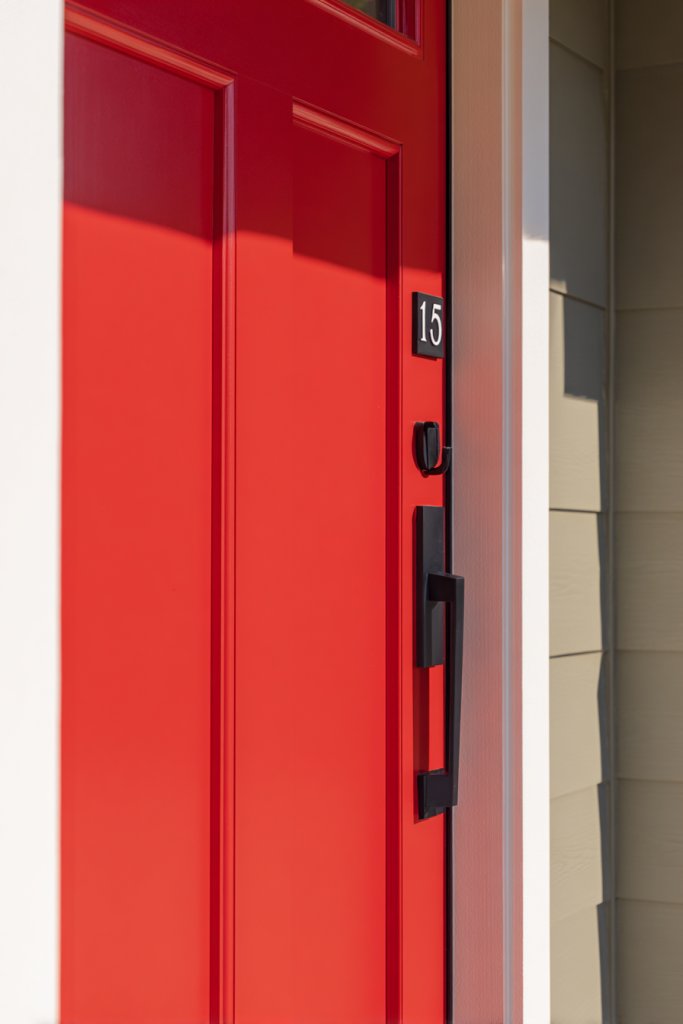
Ever driven past a home and felt that instant tug of curiosity? Maybe it’s the way a bold front door catches your eye or how a splash of vibrant color instantly lifts the curb appeal. Many homeowners dream of making that unforgettable first impression but struggle with how to do it without overhauling their entire facade. The challenge is finding a simple yet impactful way to stand out.
Imagine a bright crimson door against a neutral brick exterior, or a deep navy shade with gold accents that shimmer in the sunlight. The door’s hue pops, drawing your gaze immediately and inviting visitors in with a sense of confidence. The surrounding trim and porch details are kept simple to let the color do all the talking. Adding a contrasting color to the adjacent walls or shutters amplifies the effect.
If you prefer a more subtle look, opt for muted jewel tones like emerald or sapphire. Seasonal changes can inspire new shades—think warm oranges and reds for fall, or cheerful yellows in spring. For smaller homes, a bold front door can serve as the main focal point, while larger properties might incorporate color accents on shutters or window frames. The key is balancing vibrancy with your overall style.
Start by choosing a color that complements your home’s existing palette. Use high-quality exterior paint designed for weather resistance, and prep the surface by cleaning and sanding. Remove existing hardware and tape off edges for clean lines. Applying two coats ensures richness and durability. Consider adding decorative hardware or a stylish door knocker to enhance the impact.
Personalize your door with custom house numbers, a unique door handle, or a decorative wreath (minus the greenery, if restricted). Metallic finishes like brushed brass or matte black add sophistication and contrast beautifully with bold colors. You can also experiment with textured paints or patterns to create a truly one-of-a-kind look that reflects your personality. Small details make a big difference.
Choosing a bold color for your front door is an easy way to boost curb appeal while expressing your style. It’s a small change with a big impact, and you don’t need to be an artist to pull it off. Remember, your home should reflect your personality—so go ahead and make that door unforgettable. Ready to turn heads?
2. Symmetrical Landscaping with Colorful Flower Beds
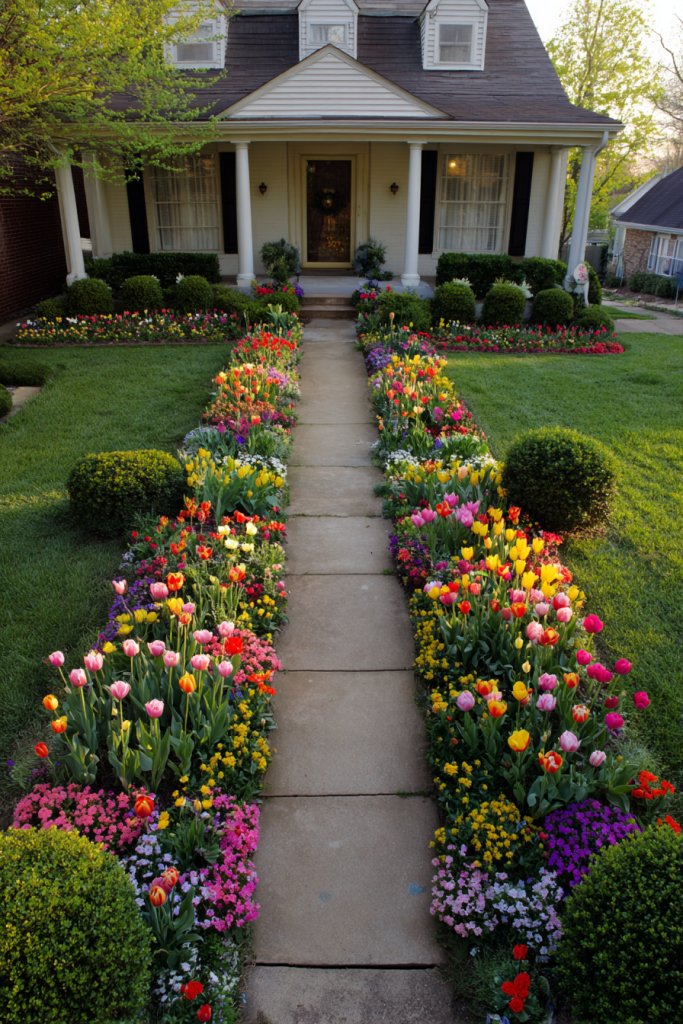
Ever notice how some homes just seem to have that perfect balance, almost like they’re smiling at you? Symmetrical landscaping is the secret sauce—creating harmony that makes your entire exterior feel welcoming and polished. But many homeowners find it tricky to achieve that balanced look without it looking forced or overly formal.
Picture two lush flower beds flanking your front door, each filled with seasonally vibrant blooms like tulips, petunias, or marigolds. The beds mirror each other perfectly, with symmetrical borders, mulch, and matching plant heights. The flowers add a burst of color that draws visitors’ eyes inward, framing the entrance beautifully. Well-maintained lawns and edging complete the look.
For a more natural vibe, choose flowers of different textures and shades but keep their arrangement balanced. You can swap flowering plants for ornamental grasses or low shrubs in the off-season to maintain symmetry. If space is limited, vertical planters or box hedges can serve as mirror images on either side. Adjust the color scheme to suit your style—soft pastels for a romantic feel or bold hues for a lively impact.
Start by sketching a plan with measured dimensions to ensure symmetry. Select plants that thrive in your climate and soil type, considering bloom times for continuous color. Use mulch to define the beds and prevent weeds. Plant flowers at the same height and spacing on both sides for uniformity. Regular watering, pruning, and fertilizing keep the beds looking fresh and balanced.
Add decorative borders like stone edging or metal trim to define the beds. Incorporate themed plant choices—like a cottage garden with lavender and daisies or a modern look with succulents—based on your taste. Seasonal decorations, such as pumpkins in fall or decorative stones in summer, can refresh the symmetry without much effort. Personal touches make the landscape uniquely yours.
Symmetrical flower beds instantly elevate your home’s curb appeal and create a sense of order. It’s a timeless style that appeals to almost everyone. With a little planning, even novice gardeners can craft a stunning entrance that invites admiration. Why not start today?
3. Modern Stone Cladding for a Sophisticated Facade
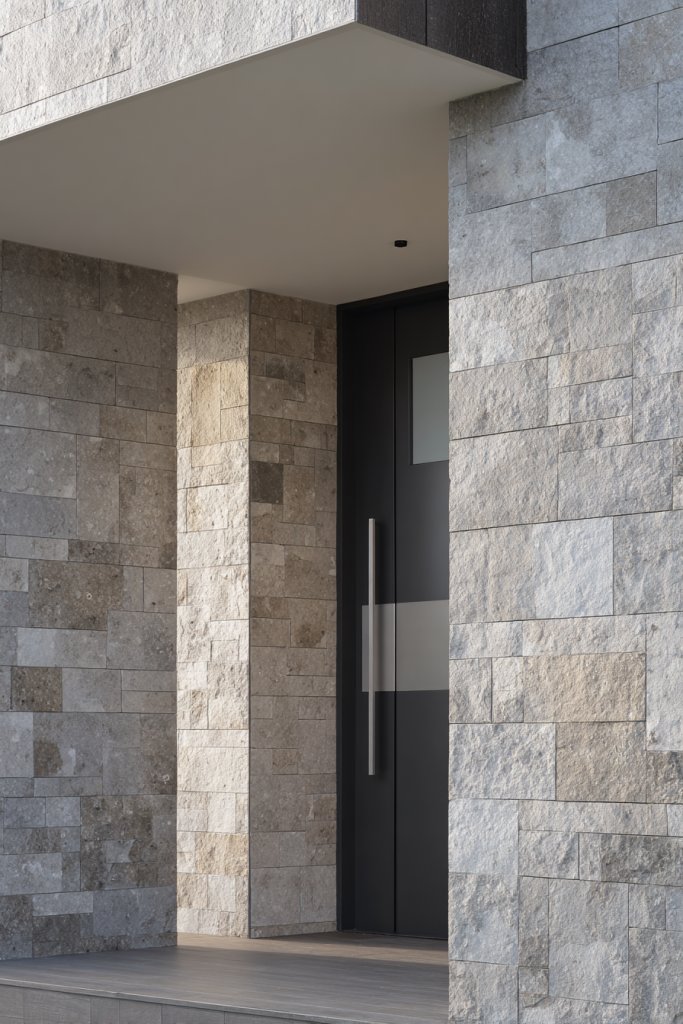
Looking to give your home a facelift that screams elegance? Modern stone cladding is a game-changer—adding texture, depth, and a touch of luxury to your facade. But many wonder if it’s complicated or expensive to pull off, or if it fits their style.
Visualize sleek, large-format stone panels in shades of gray, beige, or charcoal installed around your porch or entire front wall. The stones are smooth yet textured, creating a sophisticated contrast against flat surfaces. The natural variations in stone color and pattern add richness, making your home stand out effortlessly. Ambient lighting accentuates the textured surface at night.
Choose between natural stone, manufactured stone veneer, or textured concrete panels depending on your budget and style. For a contemporary look, go for larger, uniform slabs; for a rustic vibe, opt for irregular shapes and rougher textures. You can combine stone with other materials like wood or metal for added contrast. Seasonal accents like potted plants or outdoor furniture can soften the look.
Begin by assessing your facade’s surface and removing any old siding or paint. Select quality stone panels that are lightweight for easier installation. Use a sturdy adhesive or mortar suited for exterior use, following manufacturer instructions. Ensure proper alignment and levelness as you install, paying attention to grout lines and joint details. Seal the stones to protect against weathering, and add trim or edging for a polished finish.
Incorporate custom features like a stone archway or a decorative column. Use contrasting stone colors to create visual interest. Add LED lighting fixtures to highlight the textured surfaces at night. Integrate your house number in a modern metal plaque against the stone for a personalized touch.
Modern stone cladding instantly elevates your home’s exterior, making it look upscale and timeless. It’s a versatile approach that suits many architectural styles. With some careful planning and expert help, you can achieve a stunning, maintenance-friendly facade that turns heads.
4. Stylish Porch Lighting Fixtures to Highlight Architecture
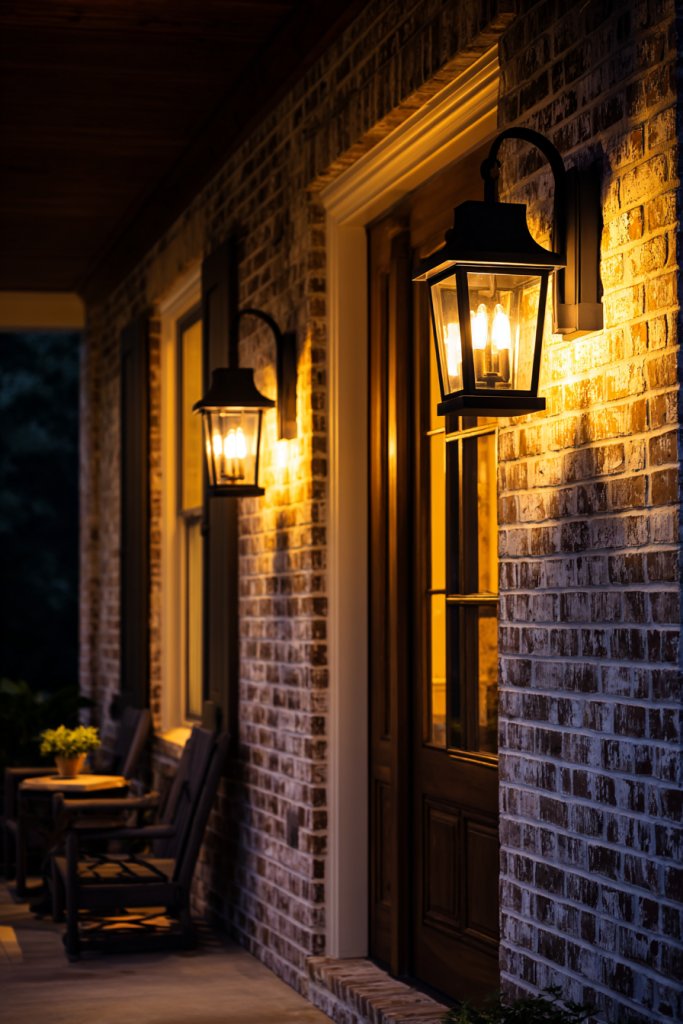
Ever wonder how some homes glow with charm after sunset? Stylish porch lighting is often the secret—drawing attention to architectural features and creating a warm, inviting atmosphere. But many don’t realize how simple updates can dramatically shift your home’s nighttime curb appeal.
Imagine a pair of sleek wall sconces flanking your front door, casting soft, warm light that accentuates the entryway’s details. Complement that with a pendant or hanging lantern in a modern or vintage style for added character. Pathway lights guide visitors smoothly to your doorstep, while subtle ground lighting highlights landscaping features. The overall effect is cozy, welcoming, and sophisticated.
Choose fixtures that match your home’s style—industrial, rustic, or contemporary. For a minimalist look, opt for sleek LED strips tucked under eaves or along stairs. For a more decorative approach, fixtures with intricate metalwork or glass details add personality. Seasonal lighting, like string lights or lanterns, can be swapped in for special occasions.
Start by planning your lighting zones—entry, pathway, and architectural highlights. Select weatherproof fixtures rated for outdoor use. Use a qualified electrician to ensure safe wiring and placement, especially if installing new circuits. Position fixtures at appropriate heights and angles to maximize effect without glare. Use dimmers for adjustable ambiance and energy efficiency.
Personalize your lighting with custom fixtures or colored bulbs for different moods. Incorporate smart lighting systems for remote control and scheduling. You can also add decorative elements like lantern covers or shielded fixtures to prevent light pollution. Consider integrating lighting with your home’s overall aesthetic for a seamless look.
Well-designed porch lighting transforms your home into a nighttime oasis, boosting safety and style. It’s an easy upgrade with a big visual payoff that doesn’t break the bank. So, why not light up your home’s best features and enjoy a cozy evening ambiance?
5. Unique House Number Designs for a Personalized Touch
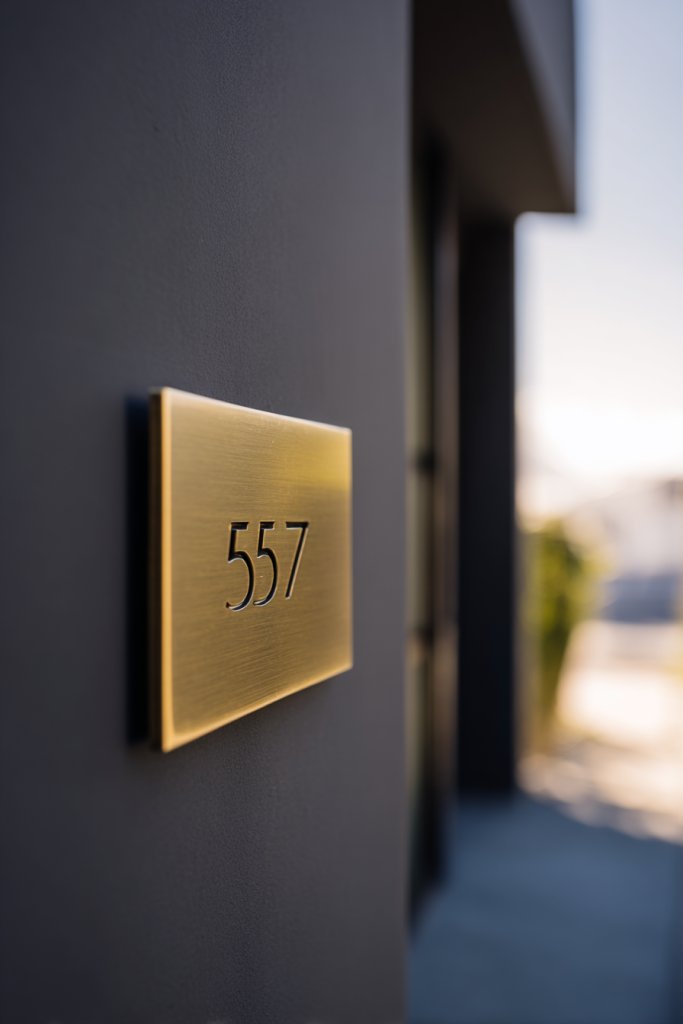
Your house number might be small and overlooked, but it’s actually a prime opportunity to showcase your style. Unique house number designs can add a personalized touch that makes your home instantly recognizable. Yet, many homeowners stick with plain, boring digits that blend into the background.
Picture modern metallic numbers in brushed brass or matte black mounted on a contrasting textured wall. Or imagine a set of handcrafted wooden numerals with a rustic finish placed against a sleek stone facade. Illuminated numbers, either backlit or halo-lit, make your address pop at night. The font style and material choice reflect your personality, from classic to eclectic.
Opt for minimalist metal styles for a contemporary look, or go for vintage-inspired ceramic or glass numbers for charm. Large-sized numerals improve visibility from afar, especially in poor lighting. For a creative twist, incorporate the numbers into a decorative plaque, or embed them into a contrasting background material like tile or wood. Seasonal or themed embellishments can add extra flair.
Choose durable materials suitable for outdoor exposure—metal, ceramic, or weatherproof wood. Use a level and template to ensure even placement. Secure the numbers with appropriate fasteners, ensuring they are tightly attached to withstand wind and weather. Wiring for illuminated options should be handled by a professional to ensure safety. Clean and seal the surface before installation for longevity.
Combine your house numbers with decorative elements, such as a small plaque or a custom sign that matches your home’s style. Change the color or finish seasonally—like metallic for winter or painted for spring. Consider adding a small spotlight or LED backlighting to enhance nighttime visibility. Personal touches make your home address both functional and a focal point.
Creative house numbers are a subtle yet powerful way to boost curb appeal and express your style. They add charm and personality that makes your home memorable. With a bit of planning, you can turn a simple element into a standout feature that reflects your taste.
6. Creative Pathway Designs with Patterned Pavers
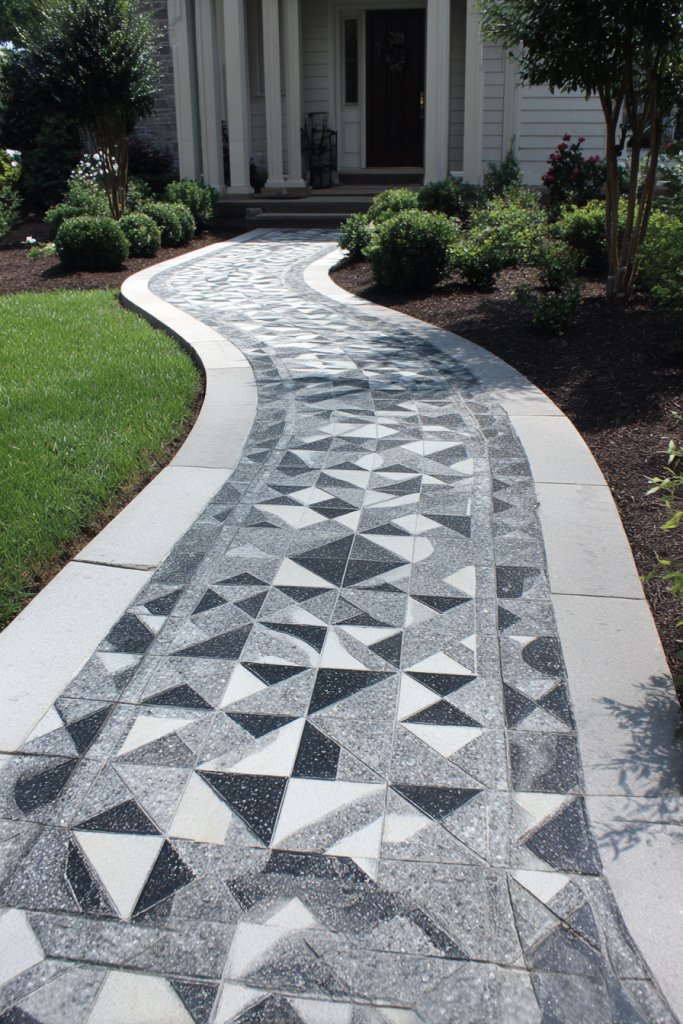
Tired of plain, boring walkways leading to your front door? Creative pathway designs with patterned pavers can turn an ordinary route into a visual journey. But many worry that intricate patterns are complicated or costly to install.
Picture a winding pathway made from interlocking pavers in geometric patterns—like herringbone, basket weave, or circular motifs. The choice of colors, such as warm earth tones or contrasting hues, adds depth and interest. The textured surface provides a tactile experience, and the pattern guides visitors naturally toward the entrance. Surrounding greenery or gravel accentuates the design.
Mix and match different paver shapes and colors for a custom look. For small spaces, simple borders or linear patterns work best, while larger areas can handle complex mosaics. Seasonal accents like stepping stones or decorative inserts can refresh the design periodically. Consider incorporating lighting along the edges for a dramatic nighttime effect.
Start with a detailed layout plan, marking the pattern and pathway boundaries. Excavate the area to a suitable depth, then lay a gravel base with compacted sand or sub-base. Use a rubber mallet and level to ensure even placement of pavers. Fill gaps with sand or fine gravel, and compact the surface thoroughly. Seal the pavers if desired for added durability.
Customize your pathway with engraved stones, mosaic inserts, or decorative borders. Seasonal colors or accents can be swapped out to keep the look fresh. Incorporate small planters or sculptures along the sides for extra personality. A well-designed pathway invites exploration and adds charm.
Creative patterned pathways add a personal touch that elevates your home’s exterior. They make a statement and create a welcoming vibe. With basic tools and some patience, you can craft a stunning walkway that’s both functional and beautiful.
7. Vertical Garden Walls for a Natural Statement
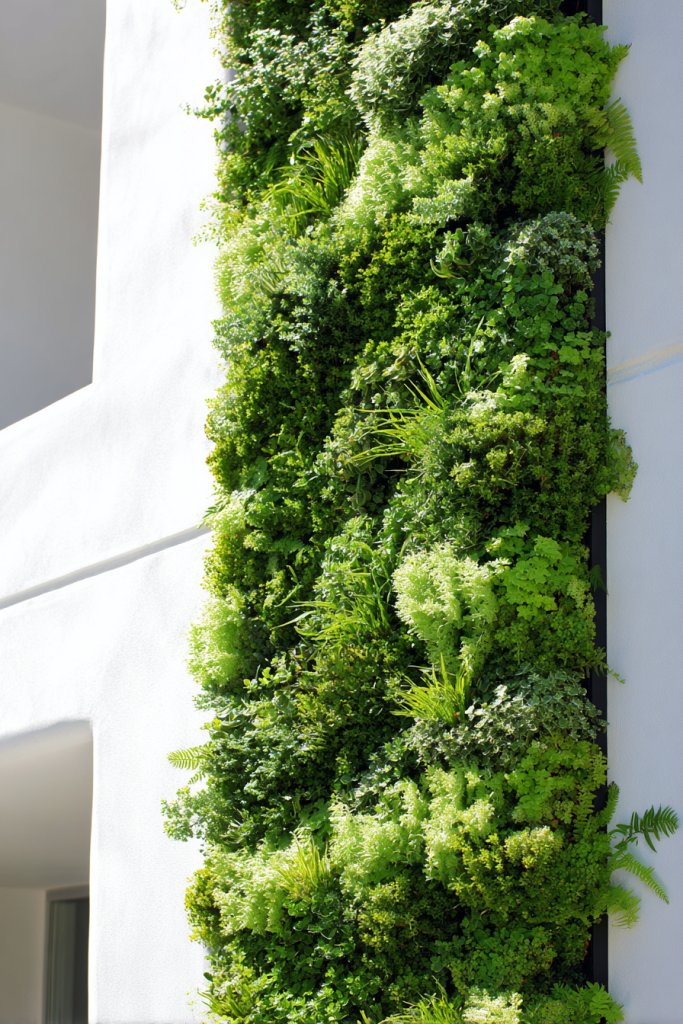
Ever wish your front yard had a lush, green backdrop without taking up precious ground space? Vertical garden walls are the perfect solution—adding a splash of nature in a compact, modern way. But many think maintaining green walls is complicated or high-maintenance.
Imagine a sleek, modular panel system mounted on your exterior wall, filled with a variety of low-maintenance plants like succulents, moss, or herbs. The vibrant greens contrast beautifully with your home’s facade, creating a living piece of art. When sunlight hits the wall, the plants shimmer, adding texture and depth. The sound of gentle growth and the sight of thriving greenery bring life to your exterior.
Choose from pre-planted panels or DIY setups using trays, pockets, or modular modules. For a minimalist look, stick with a monochromatic green palette; for more impact, incorporate flowering varieties. Seasonal changes can be made by swapping out plants or adding decorative elements like stones or sculptures. This feature adapts well to small spaces and urban environments.
Select a sturdy, weatherproof wall that can support the weight of the garden system. Prepare the mounting surface by cleaning and sealing if necessary. Install the modular panels securely, ensuring proper drainage and water access. Use a drip irrigation system for low-maintenance watering, and choose plants suited for your climate and sunlight. Regular pruning and fertilizing keep the wall looking fresh.
Add decorative elements like colored stones, small sculptures, or lighting fixtures to highlight the green wall at night. Incorporate herbs or edible plants for added functionality. Change out plants seasonally for variety and interest. Personal touches like custom-made panels or unique plant combinations make it truly yours.
Vertical garden walls create a stunning, eco-friendly statement that transforms your exterior into a green haven. They’re both eye-catching and space-efficient, perfect for modern homes. With a bit of planning, you can enjoy a thriving, beautiful green feature year-round.
8. Elegant Canopies or Porticos for Classic Charm
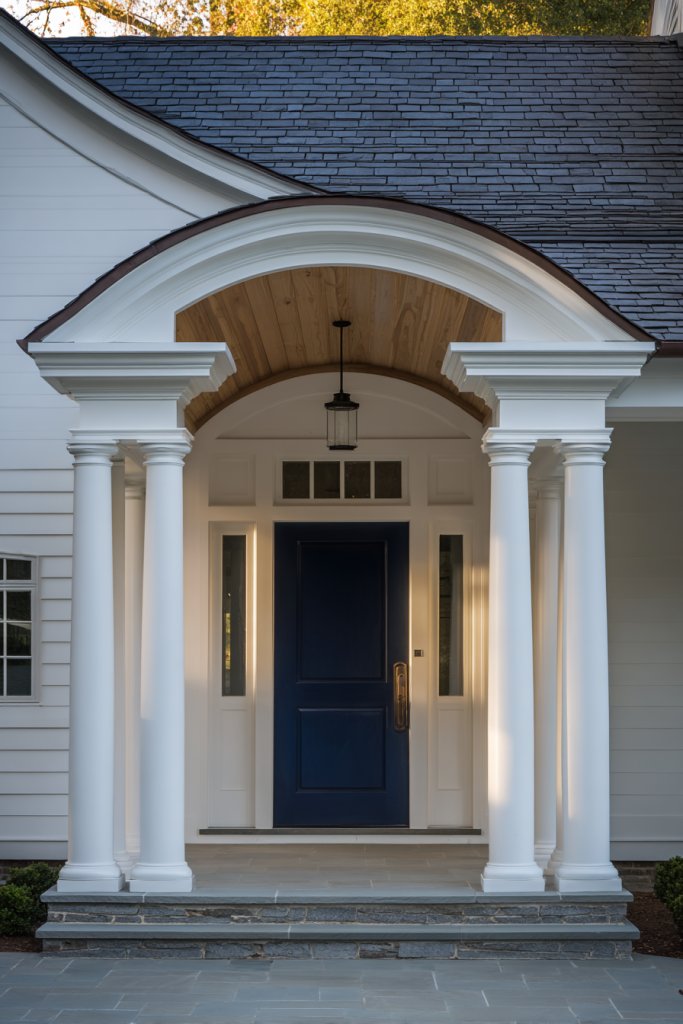
Does your front door lack that timeless charm that invites visitors in? An elegant canopy or portico can instantly elevate your home’s curb appeal, adding a classic touch that’s both functional and stylish. But many shy away from the idea, thinking it’s too costly or complex.
Picture a beautifully crafted portico with decorative columns supporting a gently curved or flat roof, sheltering your entryway. The canopy is finished with intricate molding or trim, complemented by ambient lighting underneath. It frames the front door perfectly, creating a welcoming vignette that exudes sophistication. The textured ceiling, perhaps with beadboard, adds warmth and detail.
Choose from materials like wood, metal, or composite to match your home’s style. For a traditional look, opt for ornate columns with detailed capitals; for a modern aesthetic, go for sleek lines and minimalist supports. Seasonal accents like hanging lanterns or decorative brackets can add charm. Size and shape can be tailored to fit small porches or grand entrances.
Start by assessing your porch’s structural capacity and local building codes. Select durable, weather-resistant materials suited for your climate. Use a level and proper fasteners to install supports securely into the wall or foundation. Add finishing touches like decorative trim or molding for a polished look. Consider waterproof paint or sealant to protect the wood or metal elements.
Decorate with seasonal wreaths, hanging lanterns, or custom plaques. Integrate subtle lighting fixtures to showcase the portico at night. Personalize with your house number or family crest etched into the support beams. Small decorative elements like vintage lanterns or sculptural accents can add character.
An elegant portico adds timeless charm and enhances your home’s architecture. It creates a sheltered, inviting entrance that welcomes guests and boosts overall curb appeal. With thoughtful design choices, you can achieve a stunning, enduring feature that elevates your home’s presence.
9. Incorporating Textured Stucco or Rendered Finishes
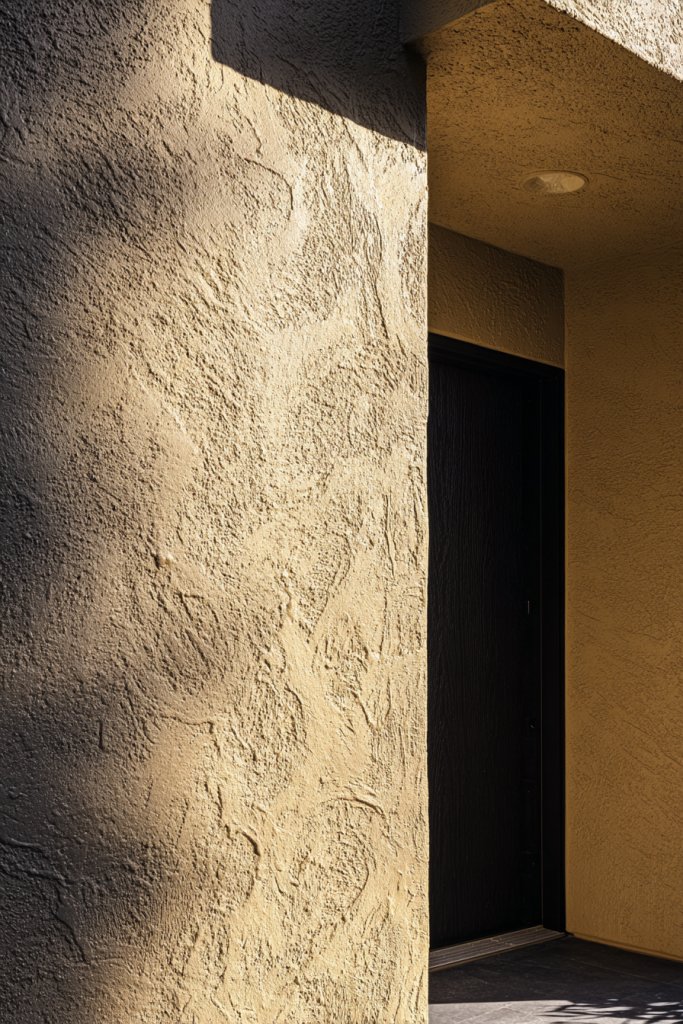
Flat, boring exterior walls can make your home look dull and uninviting. Textured stucco or rendered finishes add instant character, depth, and sophistication. But many homeowners hesitate, fearing it’s too messy or complicated to apply.
Imagine a facade with a subtle sand finish or a bold, rough texture resembling natural stone. The texture catches light differently throughout the day, creating shadows and highlights that add visual interest. The color can range from soft neutrals to bold hues, with textured surfaces amplifying the richness. It’s like giving your home a tactile, artistic touch.
Choose from various textures—smooth, rough, pebble-dash, or patterned stucco—depending on your style. Combining textured areas with smooth sections creates a layered, modern look. Seasonal accents like paint washes or color overlays can refresh the appearance without extensive work. Texture can also be used selectively around architectural features for emphasis.
Start by preparing your surface—clean, repair, and prime. Select a textured finish suitable for your climate and desired effect. Apply with trowels, sprayers, or hand tools, following manufacturer instructions carefully. Multiple coats or textures can be layered for depth. Seal the finished surface with breathable coatings to protect against weather and dirt.
Add decorative trims, moldings, or embedded patterns to customize the texture. Use contrasting colors or tinting to create unique effects. Incorporate subtle metallic or pearl finishes for a luxurious touch. Personalize with architectural details like keystones or corner accents that highlight the textured surfaces.
Textured stucco or render transforms a plain wall into an artful statement. It’s a durable, low-maintenance solution that adds personality and value. With proper technique, even DIY enthusiasts can achieve professional-looking results. Ready to give your home a bold new face?
10. Modern Roofline Enhancements with Architectural Details
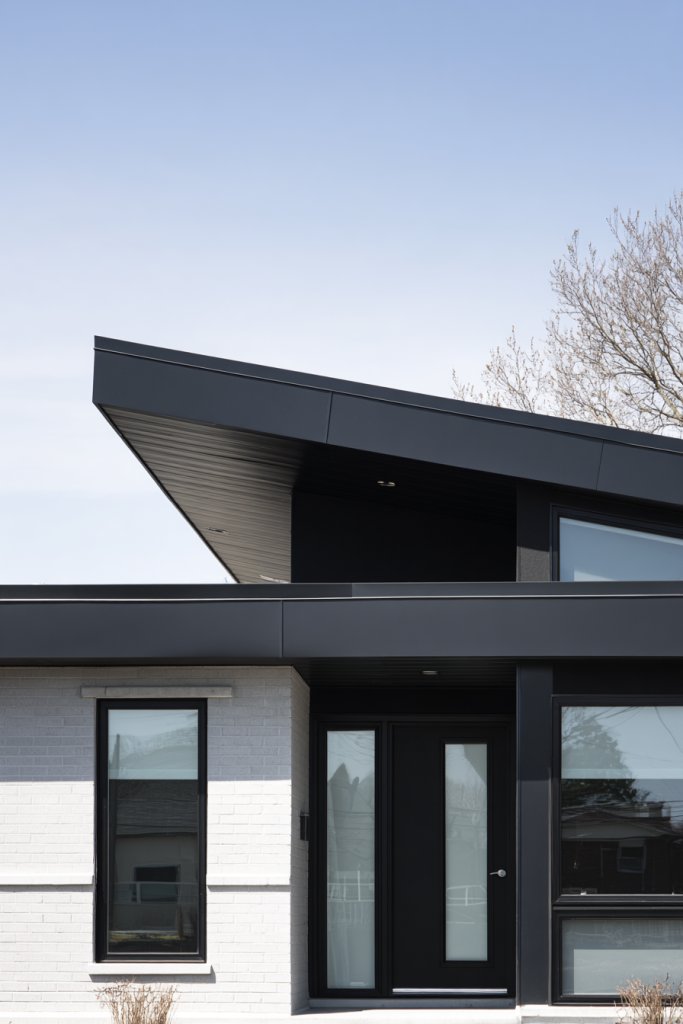
Is your roofline looking a bit plain or outdated? Modern roofline enhancements with architectural details can redefine your home’s silhouette, adding character and style. Many homeowners are unsure how to elevate what seems like a basic element.
Visualize a roofline with decorative gables, dormers, or contrasting trims that break up the monotony. The addition of architectural brackets, corbels, or layered eaves adds depth and visual interest to the roof’s edge. The result is a dynamic, eye-catching profile that complements the facade. Different materials and colors can be combined for a tailored look.
Choose from traditional wood or modern composite trims, depending on your style. For a sleek contemporary look, opt for clean lines and minimal detailing; for a classic or craftsman style, add ornate brackets and detailed trim. Seasonal accents like decorative shingles or awnings can be included to enhance the look further.
Assess your current roofline and identify areas for enhancement. Select compatible materials that resist weathering—composite, painted wood, or metal. Use proper fasteners and follow manufacturer guidelines for installation. Incorporate flashing or sealing to prevent leaks. Consider hiring a professional for complex additions like dormers or gables.
Add decorative elements like painted accents, contrasting colors, or textured finishes. Incorporate architectural lighting to highlight the details at night. Personal touches such as custom shingle patterns or decorative ridge caps elevate the overall aesthetic. These enhancements can dramatically change your home’s visual weight and style.
Upgrading your roofline with architectural details creates a refined, polished appearance that elevates curb appeal. It’s a smart investment in your home’s style and value. With a bit of planning, you can achieve a distinctive profile that makes your home stand out.
11. Eye-Catching Window Frames and Shutters
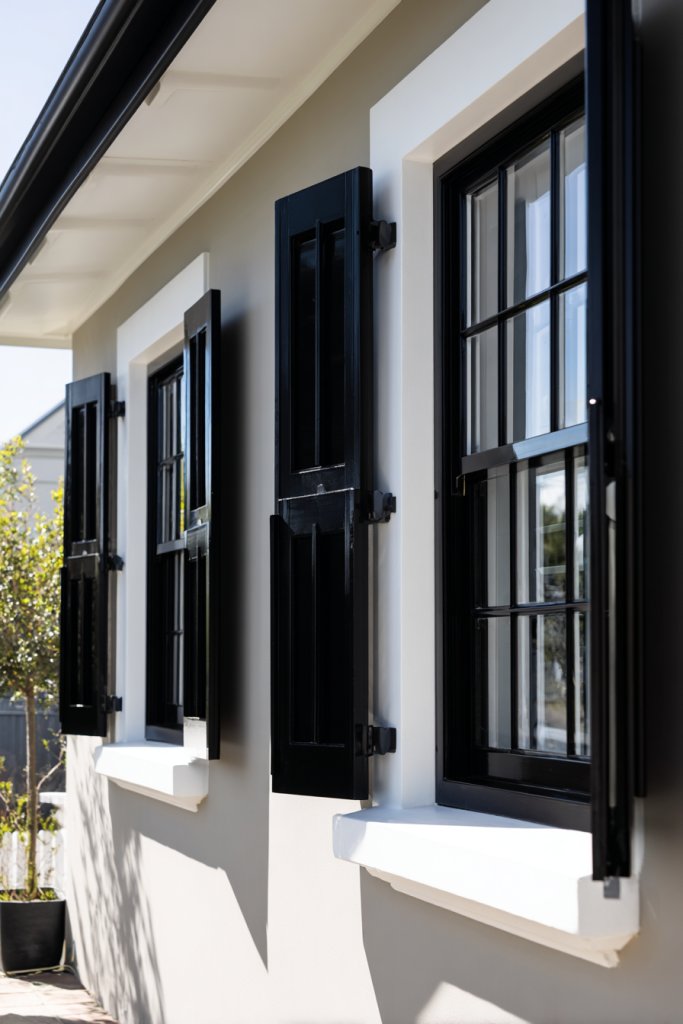
Windows are more than just openings—they’re opportunities to add style and personality. Eye-catching window frames and shutters can dramatically boost your home’s curb appeal. Yet, many homes stick with plain, overlooked windows that blend into the facade.
Imagine bold window frames in contrasting colors—like black or white against a colorful exterior—or decorative trims with intricate details. Shutters, whether functional or decorative, add charm and symmetry, especially when painted in vibrant or complementary shades. Open shutters reveal a peek into your decor, adding a cozy, inviting touch.
Opt for traditional wood shutters for a classic look, or modern composite panels for low maintenance. Play with sizes—large, statement windows or small decorative ones—depending on your house’s architecture. For a whimsical vibe, add decorative moldings or patterns around the windows. Seasonal paint colors or finishes keep the look fresh.
Choose durable, weather-resistant materials suitable for your climate. Measure carefully to ensure a perfect fit, and use appropriate fasteners for mounting. If installing shutters functional, ensure hinges operate smoothly and can withstand weather. Painting or finishing should be done with exterior-grade products for longevity. Regular upkeep keeps the details sharp.
Customize with decorative hardware, painted patterns, or custom carvings. Use contrasting colors for frames and shutters to make windows pop. Incorporate window decals or film for privacy or style variations. Personal touches like floral window boxes are discouraged here, but decorative trim or motifs work well.
Stylish window frames and shutters add charm and symmetry, making your home more inviting. They’re an affordable way to refresh your exterior with personality. With a little effort, your windows can become the highlight of your facade.
12. Stylish Outdoor Seating Nooks Near Entrance
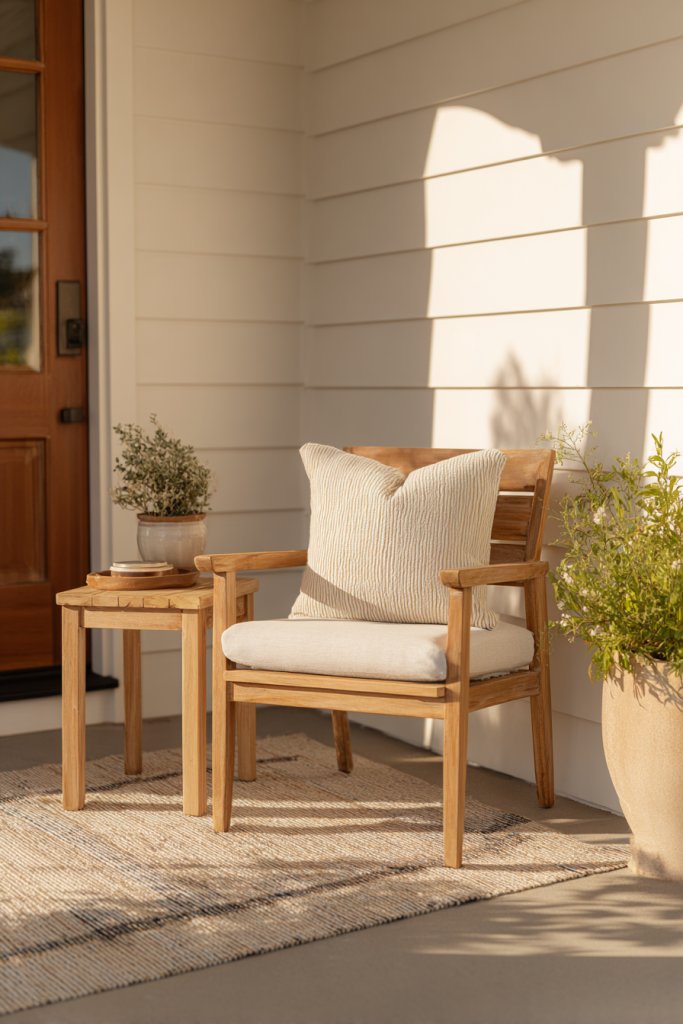
Ever wish your front porch felt more like a cozy retreat? An outdoor seating nook right near the entrance invites you and guests to linger and enjoy the view. But many worry it will clutter space or look out of place.
Picture a small, inviting bench or a pair of outdoor chairs with plush cushions and a side table, nestled under a porch or by the front door. Add a weather-resistant throw or decorative pillows to enhance comfort and style. Surround the area with potted plants or lanterns for ambiance. It’s a little oasis that welcomes visitors and adds charm.
Choose furniture that fits your space—compact bistro sets, built-in benches, or floating chairs. For a rustic look, use reclaimed wood or wrought iron; for modern, opt for sleek, minimalist designs. Incorporate seasonal textiles or decorative accents to keep it fresh year-round. Even a small corner can be transformed into a cozy nook.
Start by assessing space and traffic flow. Select weatherproof furniture that matches your style and budget. Use outdoor cushions and textiles for comfort, ensuring they are easy to clean. Place the seating where it’s most visible and accessible, ideally with a view of your garden or home entry. Add lighting or small decorative elements for evening use.
Personalize with custom cushions, outdoor rugs, or decorative lanterns. Incorporate seasonal decor—like wreaths, fairy lights, or small sculptures—to keep it inviting. Use multifunctional furniture, like storage benches, to maximize utility. Personal touches turn a simple nook into a signature feature.
A cozy outdoor seating nook creates a welcoming vibe that elevates your home’s charm. It’s an easy way to add personality and comfort, making your front entrance a favorite spot. Plus, it’s perfect for lazy mornings or chatting with neighbors.
13. Decorative Wall Panels or Cladding in Contrasting Colors
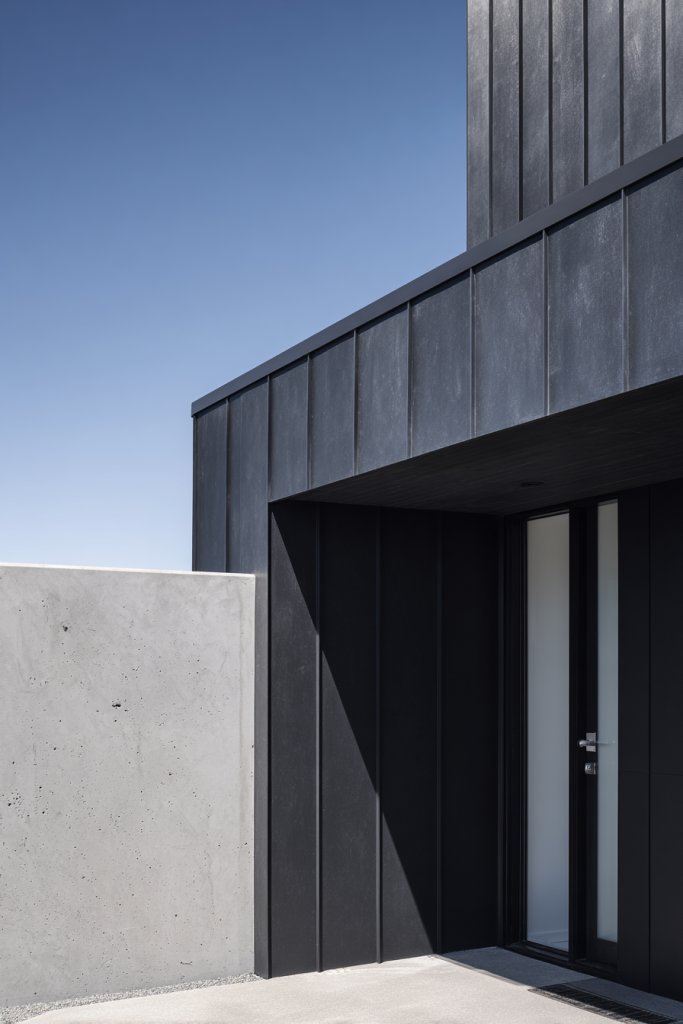
Flat, monochrome facades can feel boring or uninspired. Decorative wall panels or cladding in contrasting colors are a bold way to add depth and personality. But many hesitate, unsure of how to incorporate such features without overwhelming the design.
Imagine geometric or textured panels in bold colors like black and white or vibrant hues, installed on sections of your front wall. These panels create a layered effect, breaking up large blank surfaces. When paired with smooth finishes or different materials, they add visual intrigue. The contrast draws the eye and emphasizes architectural details.
Mix materials like wood, metal, or composite for diverse textures. Use panels as accents around entryways or along garage facades. Seasonal color updates or removable panels make it easy to refresh the look. Combining contrasting panels with neutral backgrounds enhances visual impact.
Select panels designed for exterior use—consider durability, weather resistance, and ease of installation. Prepare the wall surface by cleaning and leveling. Secure panels with appropriate fasteners, following manufacturer instructions. Seal joints to prevent water infiltration. For best results, hire a professional for complex designs.
Add custom patterns, logos, or motifs to panels for a personal touch. Incorporate LED strip lighting behind panels to create a dramatic nighttime glow. Use contrasting colors strategically to highlight specific features or create focal points. Personal touches make the panels a signature element.
Decorative wall panels instantly modernize your exterior and add curb appeal. They’re an affordable way to create a bespoke facade that reflects your style. With thoughtful design, you can turn simple panels into an eye-catching masterpiece.
14. Vertical and Horizontal Lining for Architectural Depth
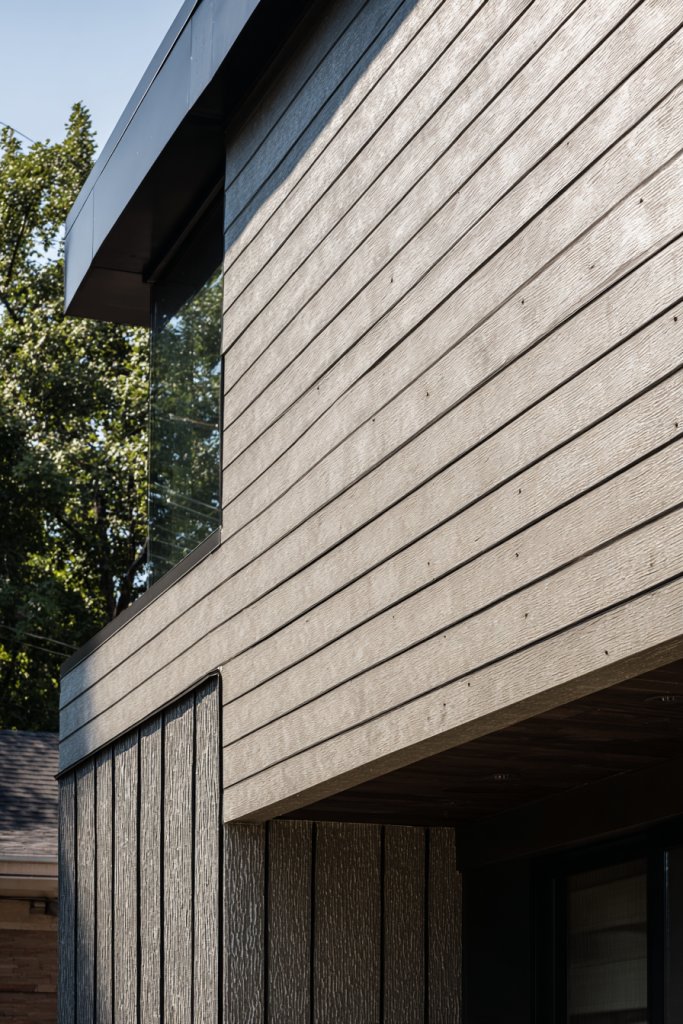
Is your home’s facade feeling flat or lifeless? Vertical and horizontal lines in exterior cladding or finishes can add architectural depth and interest. Many homeowners overlook these subtle details, missing a chance to elevate their home’s profile.
Picture a home with sleek vertical siding that emphasizes its height, or horizontal paneling that creates a broad, grounded look. These lines can be achieved with wood, fiber cement, or metal siding, adding texture and rhythm. When combined with contrasting colors, they emphasize architectural features and guide the eye across the facade.
Use vertical lines for a contemporary, tall appearance, or horizontal lines to evoke a more traditional or expansive feel. Mixing both can create a layered, dynamic look. Seasonal color schemes or finishes can refresh the appearance without major changes. Incorporate decorative trims or accents to highlight the line work.
Choose siding materials with visible lines or install strips to create the effect. Measure carefully to ensure straight, even lines. Use high-quality fasteners and weatherproof sealants. For a seamless look, align lines with architectural features like windows or corners. Regular maintenance preserves the crispness of the lines.
Add contrasting paint or staining to emphasize the lines further. Incorporate lighting along vertical or horizontal joints for subtle night illumination. Personalize with custom trims or decorative elements that follow the line patterns. Such details add sophistication and personality.
Vertical and horizontal lines create visual depth that makes your home stand out. They’re a simple yet effective way to modernize or traditionalize your facade. With some planning, you can achieve a striking architectural statement.
15. Modern Garage Door Designs with Artistic Finishes
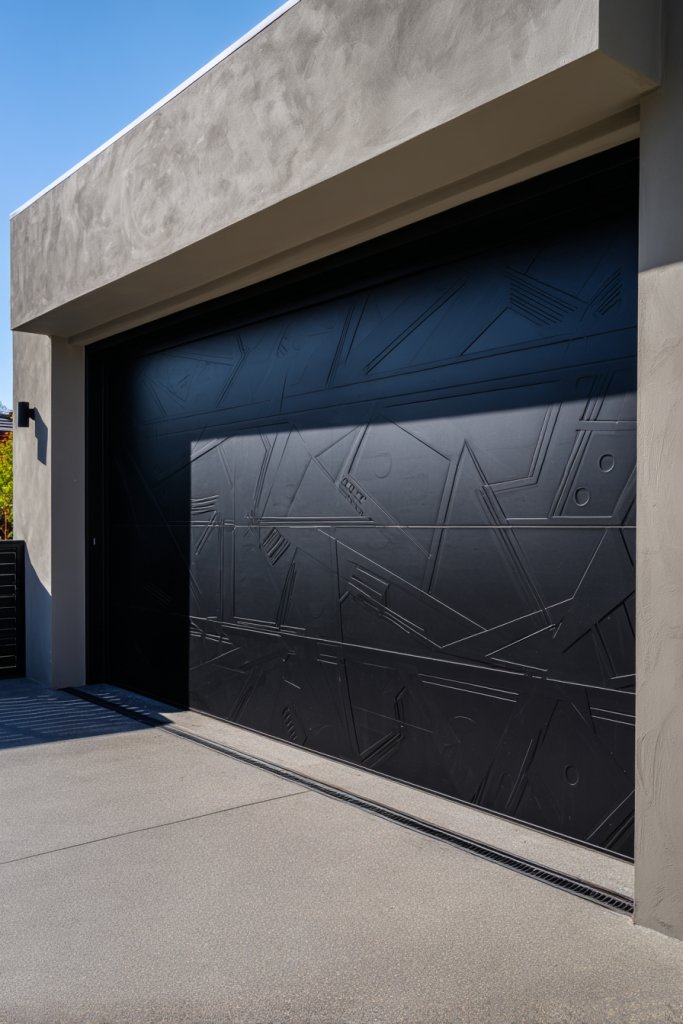
Your garage door is often the largest visual element on your front facade. A modern, artistic design can turn it into a statement piece rather than an eyesore. But many stick with plain, generic doors that don’t contribute to curb appeal.
Imagine a sleek, textured metal door with geometric patterns or subtle embossing. Alternatively, a wood-look finish with a matte or gloss coating adds warmth and character. Glass panels or artistic inserts can introduce light and transparency, making the door feel less like a barrier and more like a design feature. The finishes can be matte, metallic, or textured for added dimension.
Choose from panel designs, frosted glass, or textured finishes to suit your style. For a minimalist look, opt for smooth, monolithic doors; for a more artistic vibe, incorporate decorative patterns or contrasting materials. Color plays a crucial role—think bold hues or metallic shades for impact. Seasonal or trend-based finishes can refresh the look over time.
Select durable, weather-resistant materials suitable for your climate—aluminum, steel, or composite. Work with a professional for precise measurements and installation. Consider adding decorative hardware or custom panels to enhance the design. Finish with specialized coatings or paints that resist fading and weathering. Regular cleaning and maintenance preserve the artistic finish.
Personalize your garage door with custom artwork, monograms, or decorative hardware. Add lighting fixtures or side accents to highlight the design at night. Choose finishes that complement your overall exterior palette. Seasonal color updates or decorative details can keep the look fresh and aligned with your home’s style.
A modern, artistically finished garage door can dramatically boost your home’s exterior appeal. It’s a statement of style and personality that sets your home apart. With professional help and a clear vision, you can create a garage facade that’s both functional and fabulous.
16. Subtle Landscaping with Low-Maintenance Shrubs
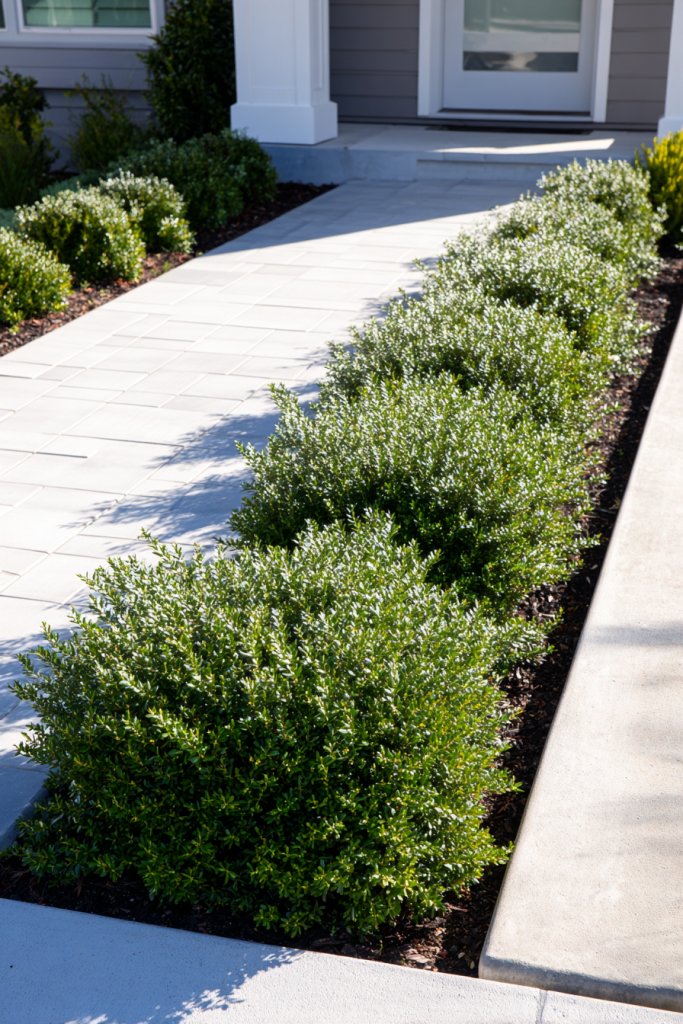
Many homeowners want a well-kept yard that looks polished without spending hours on maintenance. Subtle landscaping with low-maintenance shrubs offers a simple yet effective way to frame your entrance and add elegance. But the fear is that it might look dull or uninspired.
Picture a neatly trimmed hedge or a row of evergreen shrubs lining your walkway, providing structure and greenery without constant pruning. The shrubs’ subtle textures and muted colors complement your home’s facade, creating a seamless transition from yard to house. Mulched beds or gravel pathways add to the clean, low-maintenance look. Seasonal flowers or berries can add slight pops of color.
Choose from various evergreen shrubs like boxwood, juniper, or holly for year-round greenery. Use different heights and shapes for variety—tall, narrow specimens or rounded bushes. For small spaces, compact varieties work best. Incorporate textured ground covers or decorative gravel to reduce lawn mowing and watering needs.
Plan your layout by measuring space and selecting suitable low-maintenance plants. Prepare soil by removing weeds and adding compost. Plant shrubs at the right depth, spacing them for growth. Mulch around plants to conserve moisture and suppress weeds. Regular watering and occasional pruning keep them looking tidy with minimal effort.
Add decorative borders or edging to define beds. Incorporate seasonal accents like ornamental grasses or flowering shrubs for variety. Use stone or wood mulch for texture and weed control. Personalize your landscape with small sculptures or decorative stones that complement your home’s style.
Low-maintenance shrubs create a tidy, polished look that enhances curb appeal without a lot of work. They’re perfect for busy lifestyles or those who prefer effortless beauty. With thoughtful plant choices, your yard becomes a stylish, welcoming space.
17. Creative Use of Lighting to Highlight Architectural Features
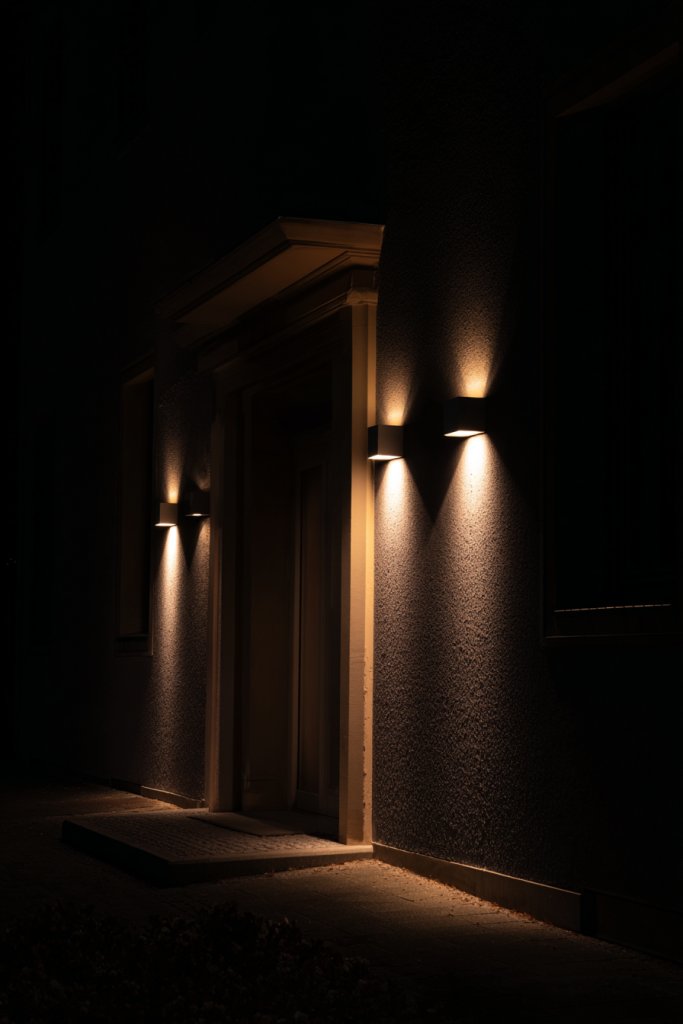
Ever noticed how some homes seem magical at night while others fade into the dark? Creative lighting can highlight your home’s architectural features, making it stand out after sunset. But many homeowners overlook the power of well-placed lighting and stick to basic porch bulbs.
Visualize uplights at the base of your facade accentuating textured walls or stone finishes. Spotlights focus on decorative gables, columns, or unique trim details. Pathway lights gently illuminate walkways while adding safety. Colored or dimmable lights allow you to set different moods, transforming your home into a nighttime masterpiece.
Choose from landscape, accent, or wall-mounted lighting fixtures to suit your style. Modern fixtures with sleek lines or vintage-inspired lanterns can complement your home’s architecture. Use smart lighting controls for scheduling and color changes. Seasonal lighting, like string lights or fairy lights, can add a playful touch.
Plan your lighting zones carefully, ensuring consistent coverage of key architectural elements. Use outdoor-rated fixtures and weatherproof wiring. Position fixtures to avoid glare and ensure even illumination. Hire an electrician for safe wiring, especially if adding new circuits. Use timers or smart controls for convenience and energy efficiency.
Add decorative elements like colored lenses, custom fixtures, or artistic sculptures that incorporate lighting. Highlight landscaping features or outdoor art (if applicable). Use lighting to emphasize your home’s silhouette or focal points. Personal touches like themed lighting for holidays make your exterior lively.
Thoughtful lighting transforms your home into a captivating nightscape. It’s an investment in beauty and safety that pays off in curb appeal. With a little planning, you can create a warm, inviting glow that makes your home truly shine.
18. Artistic Planters with Structural Plants for Added Texture
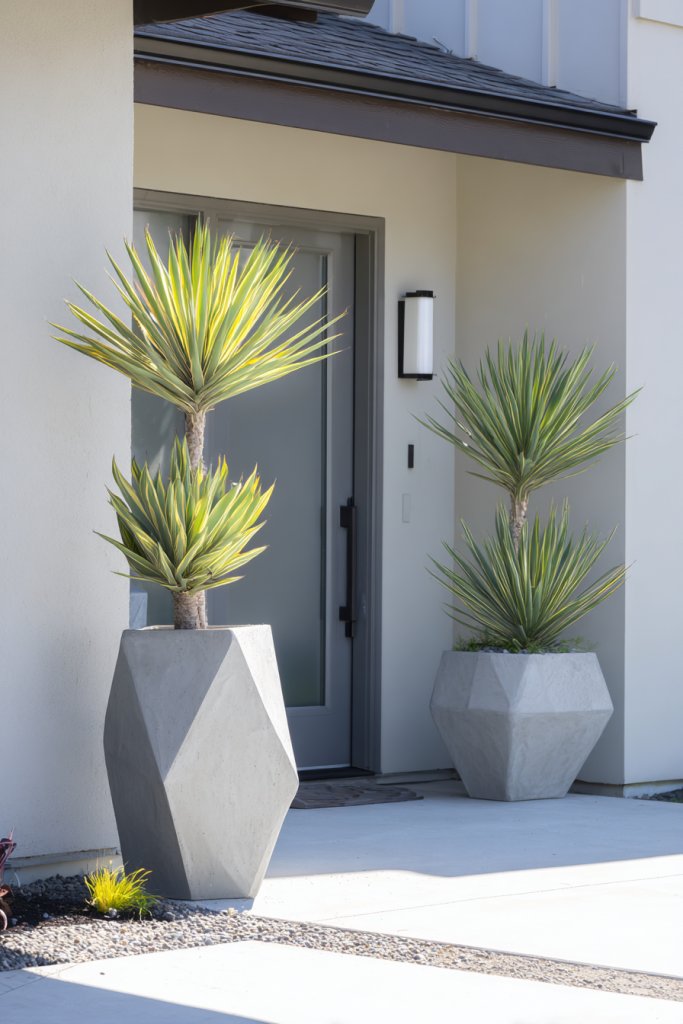
Looking for a way to add structure and texture to your front yard without overwhelming it? Artistic planters filled with structural plants can create focal points and add visual interest. Many assume they need lush foliage or flowers, but bold, sculptural plants are equally impactful.
Imagine large, geometric concrete or metal planters with sculptural succulents, yucca, or agave. The striking shapes and textures contrast with the smooth exterior walls, creating a modern, artistic vibe. The plants’ architectural forms, like spiky leaves or rosette shapes, add depth and dimension. Lighting can cast dramatic shadows, enhancing their visual appeal.
Choose planters in various materials—metal, concrete, ceramic—for different styles. Incorporate a mix of tall, narrow plants and low, spreading varieties for layered interest. Seasonal changes can be made with different plant choices, like ornamental grasses or seasonal succulents. Placement near entryways or along pathways guides the eye.
Select sturdy, weatherproof planters suited for outdoor conditions. Plant your chosen structural plants with proper soil and drainage. Position them at eye level or near doorways for maximum impact. Water sparingly, as many architectural plants prefer dry conditions. Regular pruning maintains their sculptural shape.
Add decorative gravel, stones, or mulch around the pots. Incorporate lighting to highlight their shapes at night. Personalize with custom-painted planters or unique arrangements. Seasonal accents like holiday-themed decorations can give your outdoor space a fresh look.
Artistic planters with structural plants create a bold, modern statement that’s both functional and stylish. They’re low-maintenance and versatile, perfect for adding texture without clutter. With simple choices, you can craft an outdoor display that’s both artistic and inviting.
19. Layered Façade with Cladding and Trim Contrasts
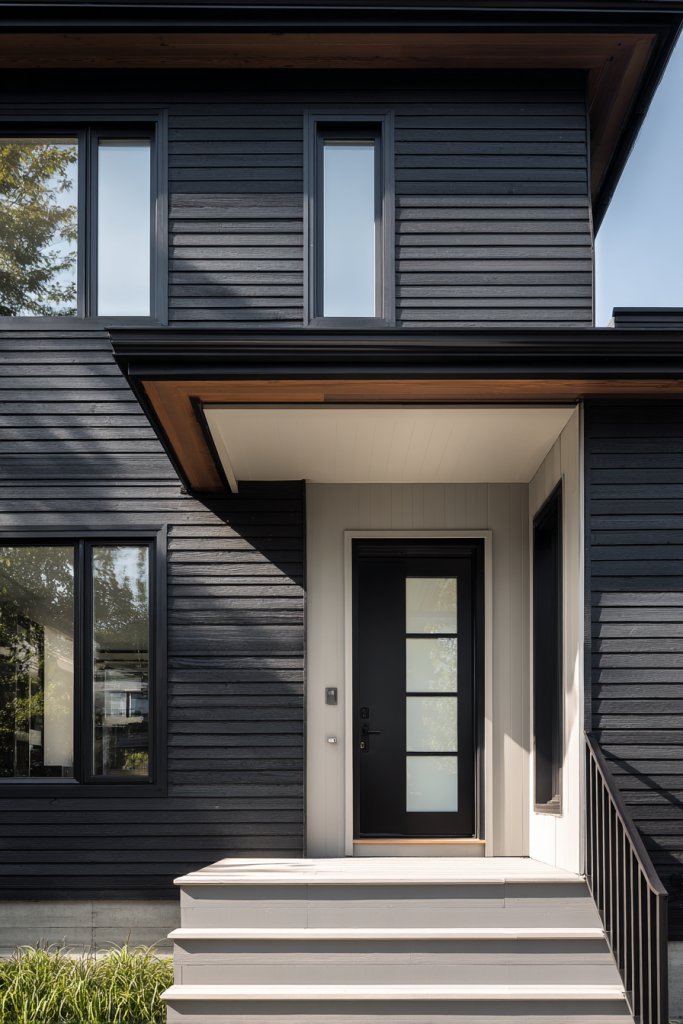
Does your home’s exterior feel flat or monotonous? A layered façade with contrasting cladding and trim can add depth, dimension, and visual interest. Many shy away from mixing materials, fearing it will look chaotic or mismatched.
Imagine a front wall with a combination of horizontal siding, vertical wood panels, and stone accents, all separated by crisp trim or molding. The contrasting textures and colors create a rich, complex look that draws the eye. Architectural details like window trims or soffits further emphasize the layering. The overall effect is sophisticated and curated.
Mix materials like wood, stone, stucco, or metal in different sections of your façade. Use contrasting colors or finishes—matte versus gloss, light versus dark—to enhance the effect. Seasonal or trend-based color updates can refresh the look. Incorporate decorative trims, brackets, or moldings for additional depth.
Plan your design carefully—sketching a layout helps visualize the layers. Choose durable, exterior-grade materials suited for your climate. Install each layer with proper fasteners and sealants, paying attention to transitions to prevent water infiltration. Use contrasting paint or stains to highlight different textures. Hire a professional if needed for complex installations.
Add decorative features like corbels, brackets, or custom moldings. Change out accent materials seasonally or for special occasions. Incorporate lighting along the layered sections to accentuate their depth at night. Personal touches like house numbers or plaques can be integrated into the design.
A layered façade creates a rich, inviting look that makes your home stand out. It’s a versatile technique that suits many architectural styles. With careful planning and execution, you can craft a stunning, textured exterior that reflects your personality.
20. Incorporating Modern Canopies or Awnings in Unique Shapes
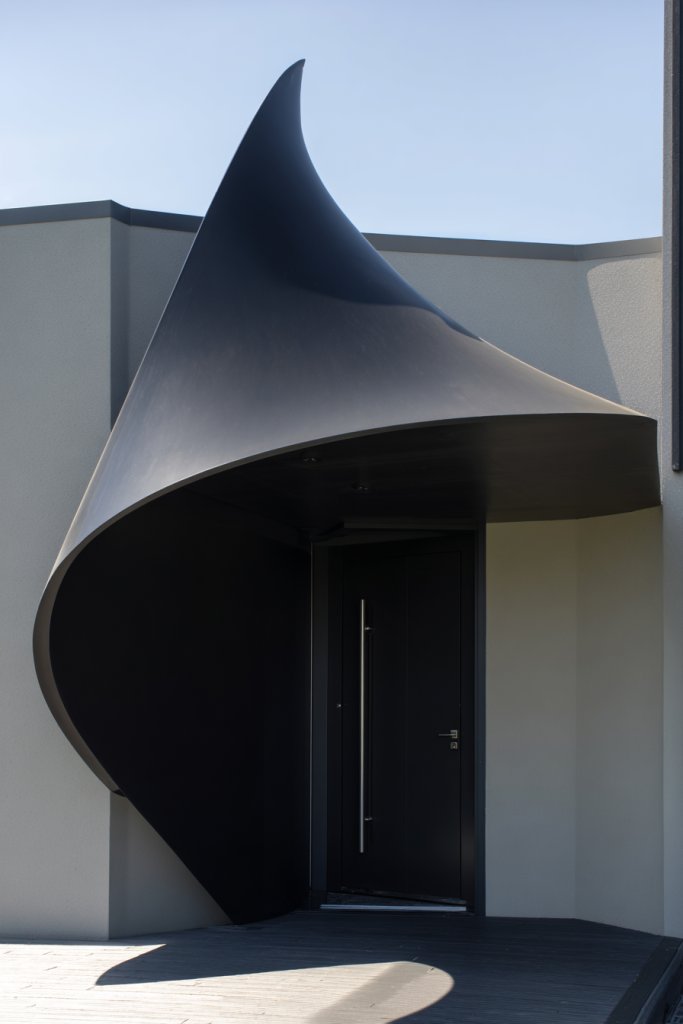
Does your front entrance lack that wow factor? Modern canopies or awnings in unique shapes can add architectural flair while providing shade and shelter. Many think of traditional fabric awnings, but there’s a world of innovative designs waiting to elevate your entry.
Imagine a sleek, curved metal canopy with an asymmetrical design that complements your home’s lines. Alternatively, a geometric, angular awning in contrasting colors creates visual tension and modern appeal. The canopy extends just enough to shade the door, with integrated lighting or hidden supports for a floating effect. It frames your entrance with style.
Choose from materials like metal, glass, or composite for durability and aesthetics. Shapes range from rounded, swooping curves to sharp, angular forms—adapt to your home’s architecture. Seasonal or color accents can personalize the look, and lighting can be integrated into the structure. The size and shape should harmonize with your façade’s overall geometry.
Assess structural capacity and weather resistance before selecting a design. Work with a professional to ensure safe attachment and proper load distribution. Fabricate or purchase custom supports that match your chosen shape. Install with secure fasteners, sealing joints to prevent leaks. Consider lighting integration for nighttime drama.
Add LED lighting or embedded fixtures to highlight the shape at night. Incorporate colors or finishes that match your home’s palette—matte, gloss, or textured surfaces. Personal details like custom logos or patterns can be incorporated into the design. Seasonal accents or fabric covers can refresh the look seasonally.
Modern, uniquely shaped canopies make your entry memorable and stylish. They blend form and function seamlessly, boosting curb appeal. With professional help and a clear vision, you can create a spectacular entrance that’s both practical and artistic.
21. Minimalist Design with Clean Lines and Neutral Palette
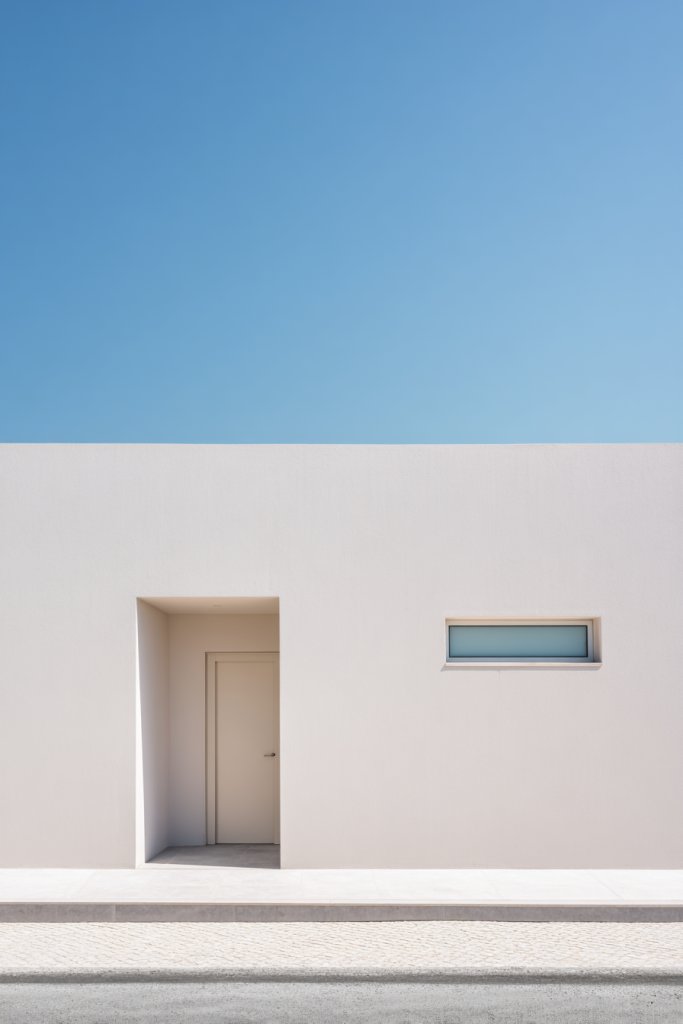
Sometimes, less truly is more. Minimalist front elevations with clean lines and a neutral palette create a sleek, timeless look that appeals to modern tastes. But many worry that minimalism might look plain or lack personality.
Visualize a facade with smooth, unadorned surfaces in shades of white, beige, or gray. The design relies on simple geometric forms—flat walls, rectangular windows, and subtle detailing—without clutter or ornamentation. The focus is on proportion, balance, and material quality. Natural light plays a big role in emphasizing the purity of the design.
Use high-quality materials like fiber cement, stucco, or painted wood for a refined look. Play with textures—matte versus glossy finishes—to add subtle depth. Incorporate building features like flush-mounted windows or integrated trims for a seamless appearance. Seasonal accents are unnecessary, as the simplicity stands on its own.
Choose a neutral color palette and stick to it for all exterior elements. Keep lines straight and surfaces smooth, avoiding ornate moldings or trims. Use minimal hardware—perhaps a sleek handle or house number—aligned with the clean aesthetic. Focus on symmetry and proportionality for visual harmony. Regular cleaning keeps the surfaces looking pristine.
Personalize with subtle differences—like textured wall panels or embedded lighting—to add interest without clutter. Incorporate outdoor furniture or accessories that match the minimalist theme, such as a simple bench or sculptural piece. Use lighting to highlight architectural lines at night. Keep accessories understated but meaningful.
A minimalist facade exudes confidence and elegance, making your home stand out with understated chic. It’s a style that ages well and suits many architectural types. Embrace simplicity and enjoy a clean, modern look that’s easy to maintain.
Conclusion
Exploring these diverse front elevation design ideas equips you with the perfect inspiration to enhance your home’s curb appeal. Whether you opt for bold colors, unique materials, or charming architectural details, each idea has the potential to elevate your home’s exterior. Don’t hesitate to try out these concepts—your dream front yard is just a design away. Start transforming your home’s facade today and turn your vision into reality!
