Imagine walking into a space that instantly calms your senses and invites relaxation—that’s the magic of minimalist decor. Minimalist room ideas have gained immense popularity because they emphasize simplicity, clean lines, and clutter-free environments that promote peace of mind.
In this article, you’ll discover a variety of ideas to transform your home into a serene oasis. From monochrome palettes to clever storage solutions, these tips will help you create a tranquil and stylish space that reflects your personality and promotes well-being.
1. Embrace Neutral Color Palettes for Serenity
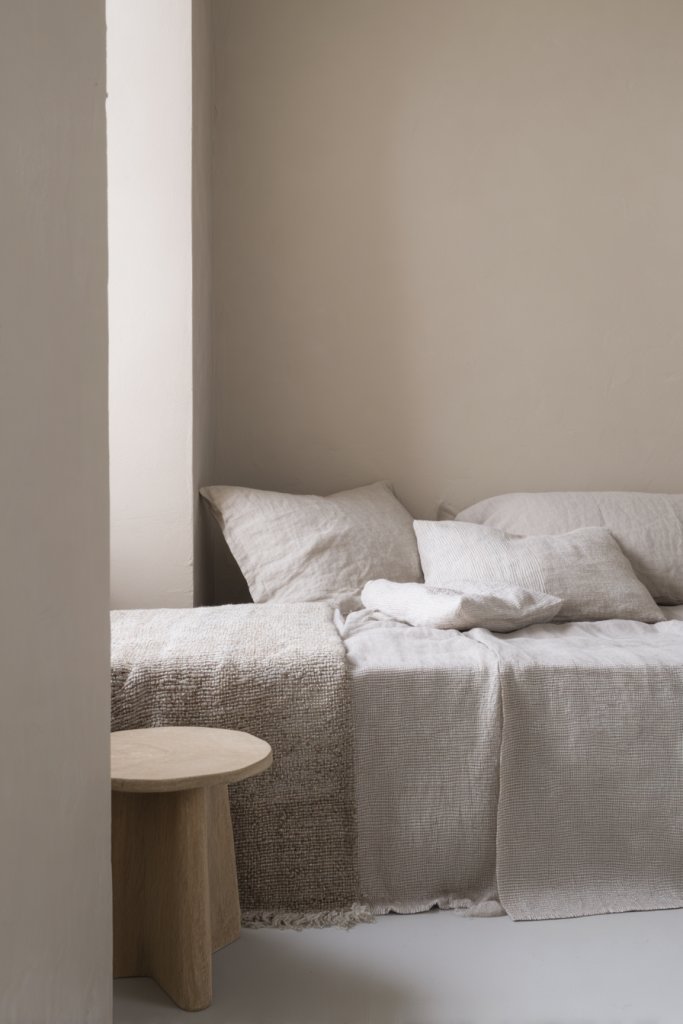
Ever wish your space felt more peaceful and less chaotic? Using neutral colors can instantly calm any room, turning it into a sanctuary. Bright colors may energize, but they can also be overwhelming, especially when you crave relaxation. Neutral palettes offer a soothing backdrop that helps you unwind after a hectic day. Plus, they make your space feel more expansive and harmonious.
Imagine soft whites blending seamlessly with warm beige and cool greys, creating a gentle, cohesive environment. The matte finish of these tones absorbs light softly, avoiding glare and harsh contrasts. Textures like linen curtains or cotton bedding in these shades add tactile warmth. The overall effect is a serene haven where every element feels in tune, inviting you to breathe deeply.
You can add seasonal touches through subtle accessories—think a plush cream throw in winter or a light taupe cushion in spring. These palettes work across different styles, from Scandinavian minimalism to rustic farmhouse. For small rooms, stick with light shades to enhance openness; larger spaces can handle darker, richer neutrals. Mixing textures keeps the look lively without breaking the calming vibe.
Start by selecting a base neutral color, then choose complementary shades for accents. Use matte or eggshell finishes for walls to avoid reflections. Incorporate textiles like cotton sheets, linen throws, and wool rugs to deepen visual interest. Keep furniture in natural wood or painted finishes that blend well with the palette. Avoid overly glossy surfaces, which can disrupt the tranquil atmosphere. Layer different textures carefully for added depth.
Introduce personal touches with textured cushions, cozy throws, or subtly patterned curtains in the same palette. Add a statement sculptural object or a handcrafted ceramic piece to anchor the room. You can also vary the shades slightly for different seasons—warmer tones in winter, cooler shades in summer. Keep decor minimal to preserve the peaceful aesthetic while allowing your personality to shine through.
Neutral color schemes are timeless, making your space feel effortlessly elegant. They provide a perfect backdrop for evolving decor styles and personal updates. Once you master this palette, decorating becomes easier, with fewer clashes or mismatched elements. Embrace the calm—your sanctuary awaits. Ready to transform your room into a peaceful retreat? 🙂
2. Incorporate Hidden Storage Solutions to Reduce Clutter
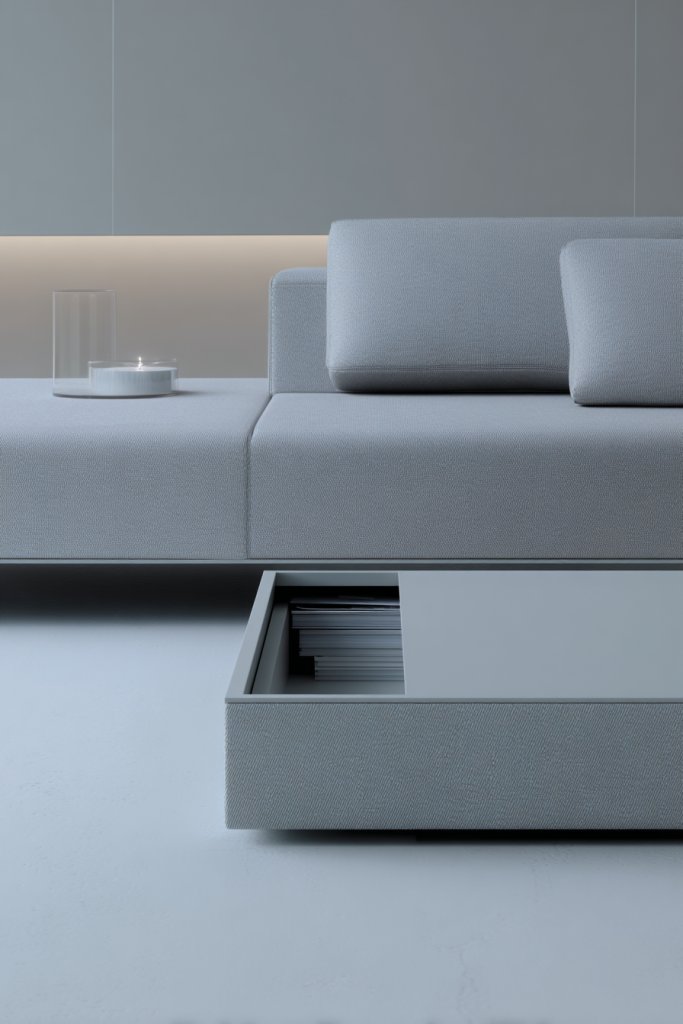
Clutter can turn a peaceful space into a chaotic mess faster than you can say ‘organized.’ Hidden storage solutions are the secret sauce to keeping essentials out of sight but within reach. They make your room look neat without sacrificing style. If you hate constantly tidying, this trick is your new best friend. The goal? An effortlessly clean look that still holds all your stuff.
Think of sleek, built-in cabinets tucked seamlessly into walls or under the bed, blending into the room’s architecture. Imagine a floating bench with internal compartments or a coffee table with hidden drawers. These elements keep surfaces clear, letting the room breathe. Materials like matte laminate or painted MDF hide away clutter while maintaining a minimalist aesthetic.
Choose storage that complements your decor, from modern handleless units to rustic wooden chests. For small spaces, vertical solutions like tall cabinets maximize height without taking up floor space. In bedrooms, under-bed drawers are a game-changer—perfect for seasonal clothing or extra bedding. Use decorative baskets or fabric bins inside cabinets for an extra layer of organization. Seasonal adjustments can involve swapping out lighter or heavier storage accessories.
Start by identifying clutter hotspots and measuring available space. Invest in furniture with built-in storage, like beds with drawers or modular shelving units. Use furniture that doubles as a display piece—top surfaces for decor, hidden compartments for storage. Consider installing wall-mounted cabinets or floating shelves with concealed brackets for a sleek look. Keep frequently used items accessible and less-used items tucked away. Label bins to simplify tidying routines and avoid chaos.
Personalize your storage with custom labels or decorative boxes that match your room’s theme. Incorporate soft-close mechanisms for a quiet, premium feel. Mix open shelving with hidden compartments to balance display and concealment. Use soft textiles or faux-fur-lined boxes inside cabinets for a touch of luxury. Regularly review and declutter to keep the system effective and stress-free.
Smart storage transforms even the smallest rooms into functional retreats. It elevates your space’s style while reducing stress. Plus, it’s incredibly satisfying to open a drawer or cabinet and find everything perfectly organized. Once you see how much tidier your space feels, you’ll wonder why you didn’t do this sooner. Decluttering has never looked so good!
3. Choose Floating Shelves for a Clean, Open Look
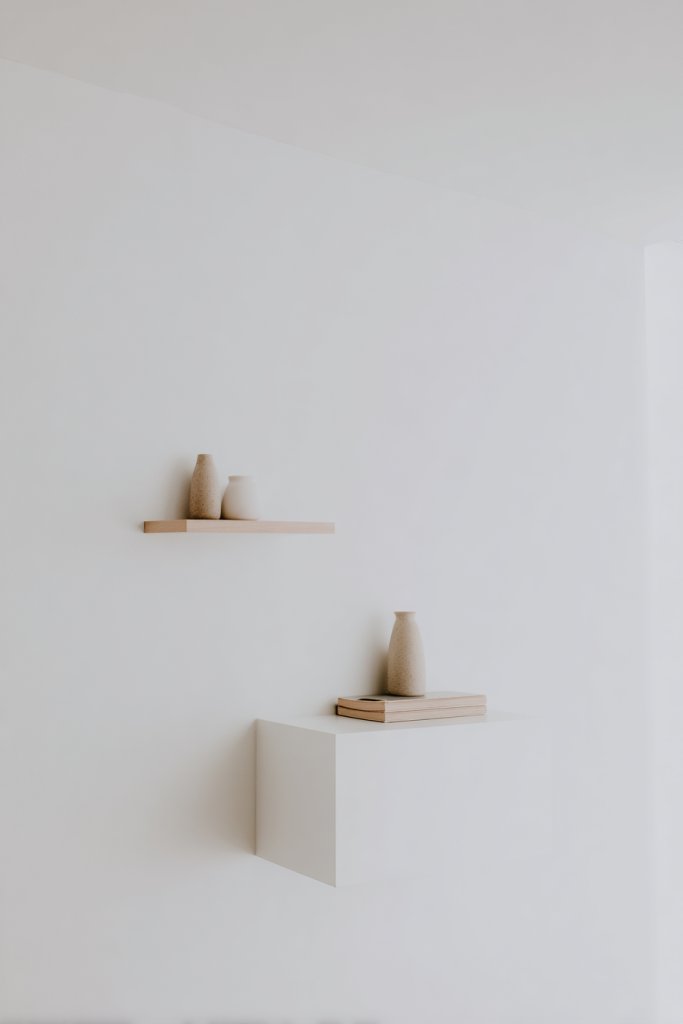
Ever feel overwhelmed by cluttered surfaces and bulky furniture? Floating shelves offer a sleek alternative, giving your room an airy, open feel. They provide essential storage or display space without weighing down the aesthetic. If you crave minimalism but still want to showcase your favorite items, this is your solution. Less visual noise, more room to breathe.
Picture slim, wall-mounted shelves in matte black or natural wood, floating effortlessly against a neutral wall. They hold your favorite books, decorative objects, or candles—think less is more. The absence of visible brackets creates a seamless look that feels modern and uncluttered. The open space beneath adds a sense of height and openness, making the room appear larger.
Use floating shelves to add visual interest in different rooms—above beds, in kitchens, or entryways. Vary the lengths and arrangements for an eclectic look, or keep them symmetrical for a more ordered feel. For seasonal updates, swap decor items or add small plants or textiles for a fresh vibe. Choose materials like reclaimed wood or painted MDF depending on your style and budget.
Start by choosing the right wall, ensuring it can support the weight of your shelves. Use a level and measuring tape to mark out the placement precisely. Install brackets securely into wall studs for maximum stability—don’t just drill into drywall. Attach the shelves with concealed hardware for a floating effect. Keep the load balanced to avoid sagging over time. Regularly dust and check for loose fittings to maintain the clean look.
Personalize your shelves with a curated mix of objects—minimalist ceramics, small sculptures, or meaningful souvenirs. Use ledges or small risers on the shelves to create dimension. Incorporate different textures through textiles or decorative boxes underneath for a layered look. Change out items seasonally to keep the display fresh and engaging. Remember, less clutter on shelves keeps the space feeling calm.
Floating shelves elevate your decor game without adding visual weight. They teach you that simple changes can dramatically improve your space’s vibe. Once you master installing shelves, you’ll find endless ways to customize and organize. Your room will look effortlessly curated, like a pro designer just left. Ready to float your way to a more spacious, stylish home?
4. Use Textured Bedding and Fabrics for Subtle Depth
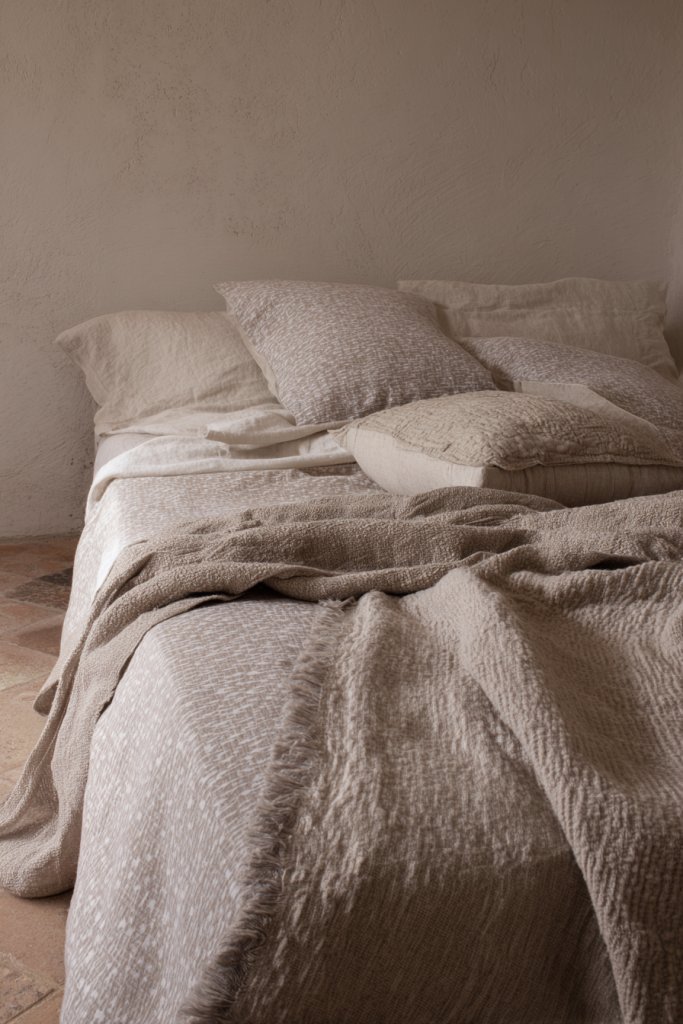
Blank walls and plain furniture can make a room feel flat and uninspired. Textured bedding and fabrics add depth and warmth without cluttering the space. They create a cozy atmosphere that draws you in and makes your bedroom a retreat. If you’re tired of bland, smooth surfaces, this simple upgrade can make all the difference. Comfort and style in one package.
Imagine a bed dressed in a soft cream linen duvet, topped with a chunky knit throw blanket in neutral tones. Layering textured cushions and blankets adds tactile richness that invites touch. Natural fabrics like cotton, linen, and wool feel breathable and luxurious, enriching the visual experience. The interplay of textures catches the light differently, creating a dynamic, inviting look.
Mix textures seasonally—light cotton for summer, plush velvets or faux-furs for winter. For a minimalist look, keep to a limited palette of textures in similar shades, avoiding visual chaos. In small rooms, choose a few textured throw pillows or a cozy blanket to add interest without overwhelming. You can also incorporate textured curtains or rugs for additional layers of softness.
Start with quality textiles that complement your overall color palette. Opt for natural fibers when possible, as they tend to be breathable and durable. Layer different textures in your bedding, like a quilted duvet paired with a woven throw. Use a variety of pillow cases—smooth, ribbed, or embroidered—for visual interest. Mix and match textures in your curtains, rugs, and upholstery carefully to create harmony.
Add personal touches with embroidered or patterned textiles that reflect your style. Swap out bedding seasonally or when you want a refresh—think a waffle-knit throw in winter. Use textured cushions to add a pop of tactile interest on a neutral bed. Incorporate handcrafted or vintage textiles for a unique feel that’s all your own. Less is more—select a few key pieces for maximum impact.
Textured fabrics transform a bedroom from flat to fabulous with minimal effort. They remind you that small details matter and can elevate your decor instantly. Once you experience the cozy, layered look, you’ll want to extend the same approach to other rooms. Your space will feel more inviting, more personal—like a true sanctuary. Ready to get tactile?
5. Install Recessed or Track Lighting for Soft Illumination
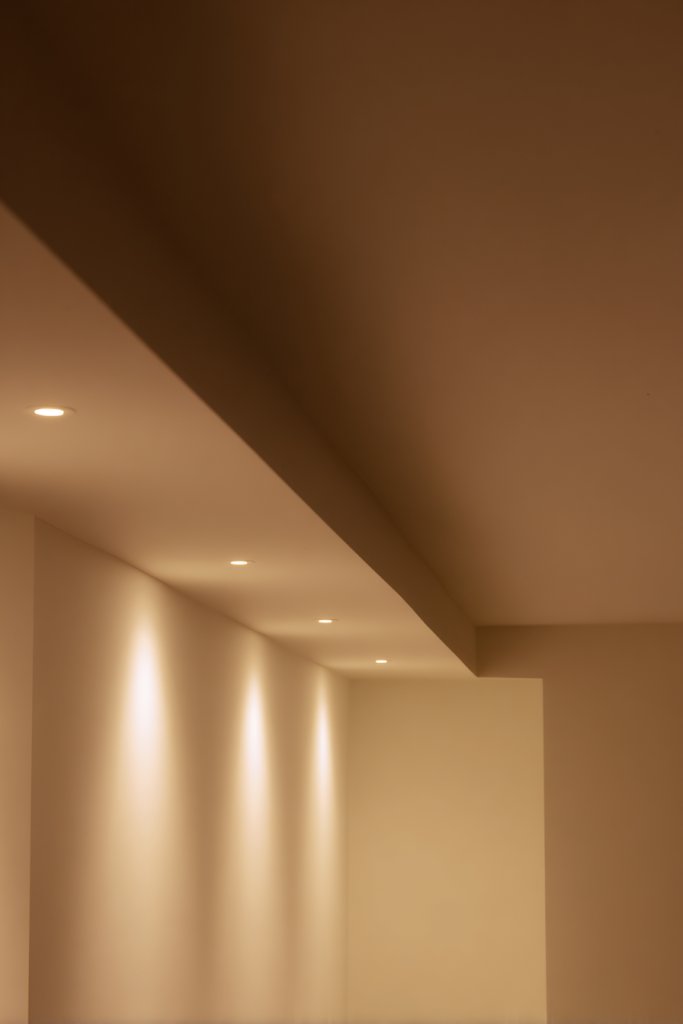
Harsh overhead lighting can make a room feel sterile and uninviting. Soft, layered illumination creates a calming ambiance that’s perfect for relaxing or winding down. Recessed and track lighting options allow you to control the mood without cluttering the ceiling. If you crave a more soothing, intimate environment, this lighting upgrade is a game-changer. Who doesn’t want a cozy glow instead of blinding fluorescents?
Imagine a ceiling with discreet recessed lights casting a gentle, even glow across the room. Or picture a sleek track system with adjustable heads focusing warm light on artwork, a reading nook, or your favorite corner. These fixtures blend seamlessly into the architecture, eliminating bulky lamps and cords. The result? A clean, modern look that feels both functional and atmospheric. Dimmers add extra control, allowing you to fine-tune the vibe.
Choose warm white bulbs for a cozy feel or cooler tones for a more energetic space. Use dimmers to adjust lighting intensity, making the room versatile for different activities. For bedrooms, install soft uplights or wall washers to highlight textures and architectural features. In living rooms, combine recessed lighting with wall sconces or candles for layered warmth. Adapt the setup based on your room’s size and function.
Start by planning your lighting layout—identify key areas you want to highlight or soften. Hire a professional for recessed lighting installation to ensure safety and precision. Select fixtures that match your decor style—sleek, minimalist trims or more decorative options. Use LED bulbs for energy efficiency and longevity. Incorporate dimmers and switches that allow flexible control over brightness and ambiance. Test different configurations to find what feels best.
Personalize your lighting with smart controls or voice-activated switches for convenience. Add indirect lighting behind crown molding or under shelves to create a subtle glow. Use colored LED strips in coves or alcoves for a fun, modern touch. Layer multiple lighting sources—overhead, task, and accent—to craft a tailored environment. Keep fixtures simple to maintain the minimalist aesthetic.
Thoughtful lighting transforms a room into a sanctuary where you want to spend time. It shows that smart design is about mood, function, and subtlety. Once installed, you’ll enjoy how a simple change elevates your entire space. It’s an affordable upgrade that makes a big difference. Ready to shed light on your decor?
6. Opt for Minimalist Furniture with Clean Lines
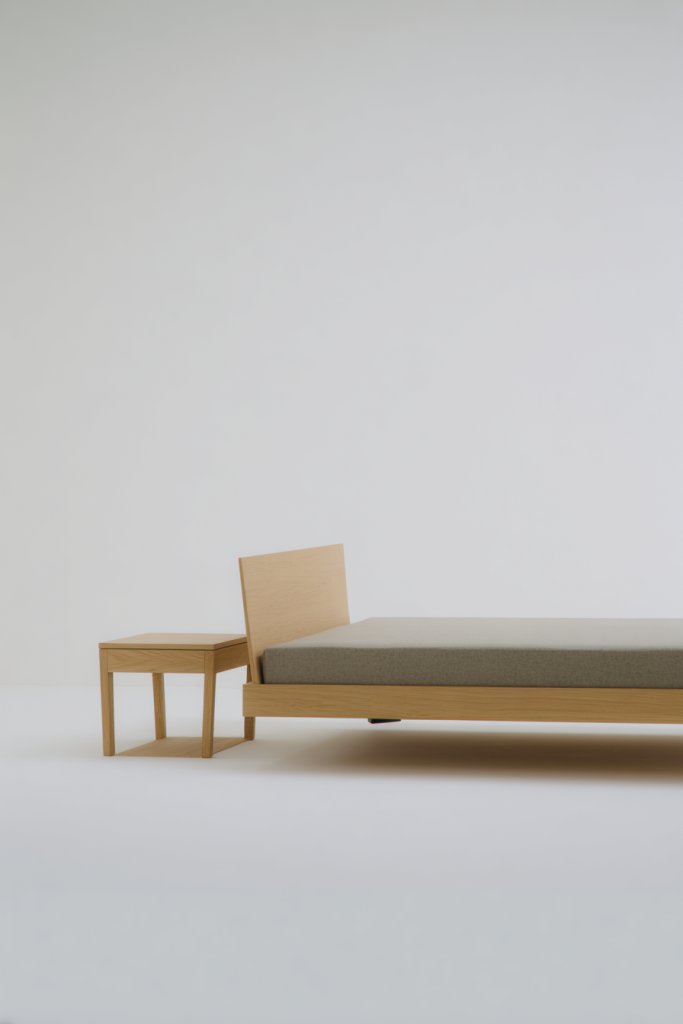
Cluttered furniture with ornate details can make even the biggest rooms feel crowded. Minimalist furniture with sleek, clean lines instantly creates a sense of order and calm. It emphasizes simplicity and function, helping your space look more open and less chaotic. If you prefer a modern, uncluttered aesthetic, this style is your new best friend. Less fuss, more space.
Picture a sofa with a slim profile, upholstered in neutral fabric, with no decorative frills. A coffee table with straight, unadorned legs and a smooth surface complements the look. The furniture’s geometric shapes and crisp edges make the room feel more spacious and organized. The absence of ornate details allows your decor to shine without competing for attention. It’s all about understated elegance.
Choose furniture with modular or multi-functional features—like a bench that doubles as storage or a bed with built-in drawers. For small spaces, select pieces that are proportionate and avoid bulky arms or overly thick legs. In larger rooms, use larger, statement pieces that maintain a minimalist silhouette. Mix materials—wood, metal, or glass—to add subtle visual interest while keeping lines simple.
Focus on quality over quantity by selecting fewer, well-designed pieces. Use neutral tones to unify the look, and keep upholstery free of busy patterns. Invest in furniture with a streamlined profile—think flat surfaces and straight edges. Arrange pieces to allow easy movement and avoid blocking windows or pathways. Regularly clean and maintain surfaces to keep the minimalist aesthetic pristine.
Add softness with textiles like plain linen cushions or a simple wool rug. Incorporate sculptural or geometric decor objects that echo the furniture’s clean lines. Use subtle color accents through throws or small accessories—think black, white, grey, or earthy tones. Personalize your space with items that have meaning but keep the overall design uncluttered. Less is definitely more.
Choosing minimalist furniture teaches you the value of quality and intentional design. It proves that simplicity can be both functional and beautiful. Once you embrace this style, decorating becomes a matter of curating a few key pieces rather than overwhelming your space. Your home will look timeless and effortlessly stylish. Ready to declutter your furniture choices?
7. Incorporate a Single Statement Piece as Focus
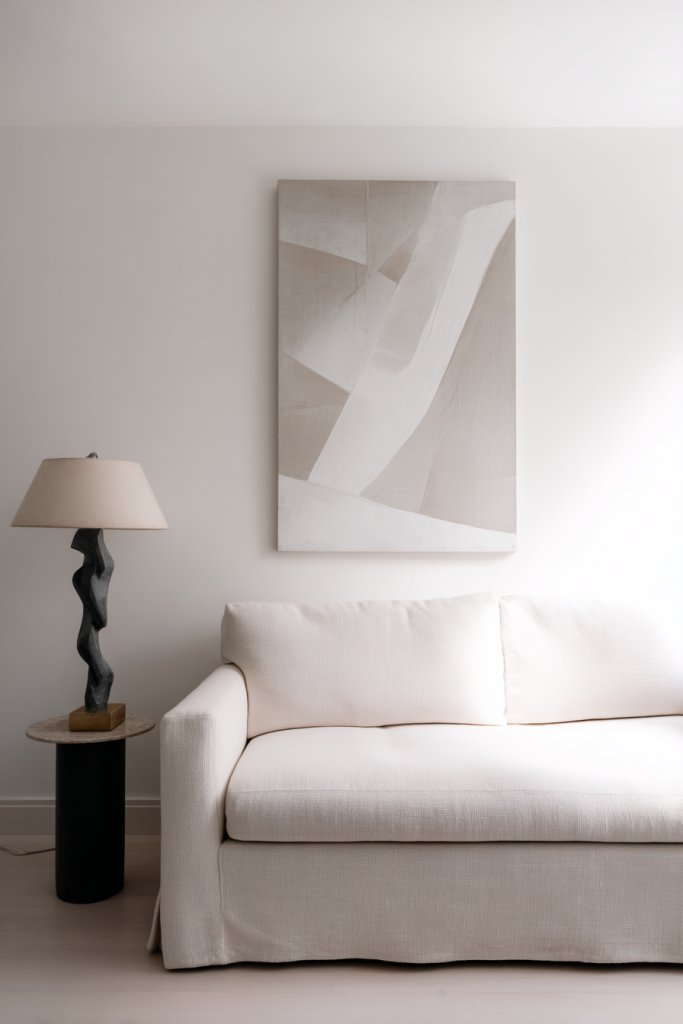
Too much decor can scatter attention and dilute the overall vibe of a room. A single bold or unique piece can serve as a focal point, anchoring your design and adding personality. It guides the eye and creates a sense of intentionality. If you want to make a statement without clutter, this approach is perfect. Sometimes, one well-chosen item is all you need.
Envision a sculptural side chair in a muted room or a sleek, modern side table with an interesting shape. This piece draws attention through its form, material, or subtle color contrast. Placed strategically, it becomes a visual anchor that elevates the entire space. The design could be minimalist but impactful, like a monochrome geometric sculpture or a textured ceramic object. It’s about making a simple, bold statement.
Choose a statement piece that reflects your personality—an artistic chair, a unique lamp, or a sculptural console. Keep the rest of the decor subdued to amplify its impact. Change the focus piece seasonally or for different occasions—swap out a decorative object or move it to a new spot for fresh energy. Use neutral tones or subtle textures for the main decor, letting the statement piece stand out.
Start by identifying what excites or inspires you—an art piece, a vintage find, or a sculptural furniture piece. Place it where it naturally catches the eye, such as at the end of a room or beside a window. Keep surrounding elements simple, avoiding competing decor. Use lighting to highlight the item, maybe a small spotlight or accent lamp. Maintain clean lines around the piece to enhance its presence.
Accessorize the statement item with complementary textures or subtle details that don’t compete for attention. For example, a textured cushion nearby or a sleek tray on a side table. Keep the rest of the decor minimal and cohesive, so the focus remains on the centerpiece. Rotate or update your focus piece over time to keep your space fresh and engaging.
A single statement piece can transform your entire room into a curated masterpiece. It teaches you to choose quality over quantity and to see the beauty in simplicity. Once you master this, decorating becomes less about filling space and more about highlighting what matters. Your space will feel intentional, stylish, and uniquely yours.
8. Use Monochrome Wall Treatments for Cohesion
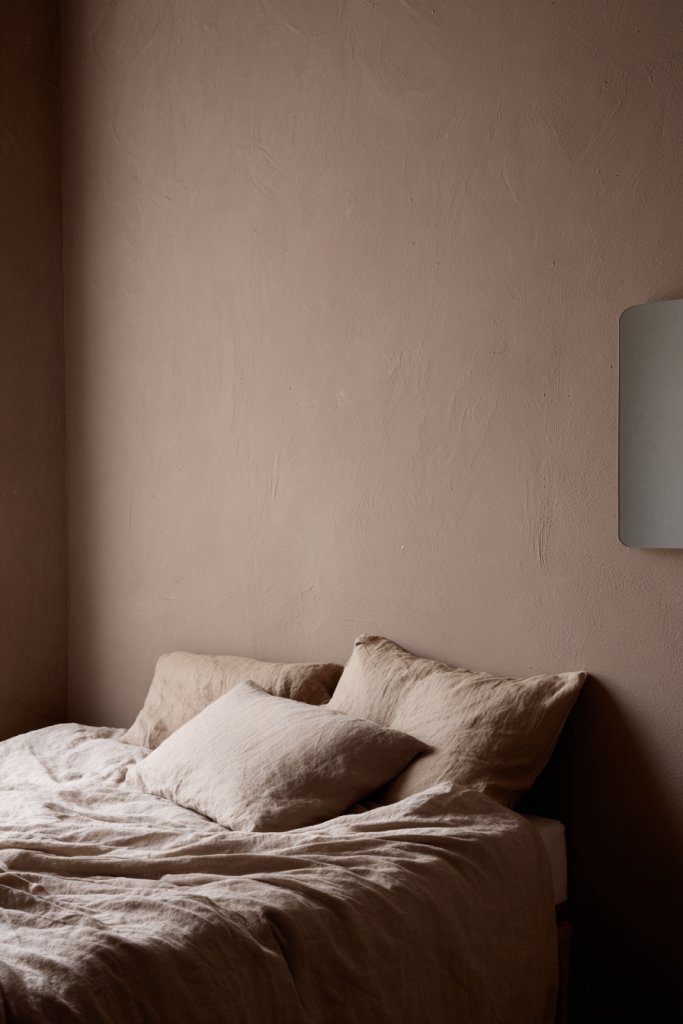
Walls often serve as the backdrop for your decor, but they can also be the source of visual chaos if not handled carefully. Monochrome wall treatments create a seamless, unified look that promotes calm and coherence. They make a room feel more expansive and less busy. If you want a background that enhances your minimalist aesthetic, this is a smart choice.
Imagine walls painted in a subtle, muted taupe or soft grey, perfectly matching your bedding and furniture. The even color creates a calming canvas that allows textured fabrics and sculptural decor to stand out. Matte finishes absorb light gently, avoiding glare and creating a cozy, enveloping atmosphere. The monochrome palette fosters visual harmony, making everything feel connected.
Use different shades of the same color for subtle variation, adding depth without breaking the cohesion. Accent walls in a slightly darker or lighter tone can add interest without creating fuss. For small rooms, lighter shades enhance brightness; darker tones add warmth. Incorporate textures through wall plaster, paint techniques, or subtle surface patterns for added dimension.
Choose a color palette that complements your furniture and textiles. Use high-quality matte or eggshell paint to prevent reflections. Prepare walls by filling holes and sanding surfaces for a smooth finish. Apply multiple coats for even coverage, and consider using painter’s tape for clean edges if creating an accent wall. Keep the color consistent across different rooms for a cohesive home feel.
Add subtle variations with textured wall finishes or subtle surface patterns like horizontal or vertical stripes. Incorporate architectural details such as molding or paneling painted in the same color for a sophisticated look. Use accessories like textured throws or cushions to add tactile interest. Remember, the goal is harmony, so keep it simple and elegant.
Monochrome walls are timeless and versatile, making decorating straightforward. They help your space look more polished and intentional. Once you see how a unified color enhances your decor, you’ll feel more confident in choosing cohesive palettes. It’s a simple yet powerful way to elevate your entire home’s aesthetic. Ready to paint your way to serenity?
9. Install Floor-to-Ceiling Curtains for Soft Boundaries
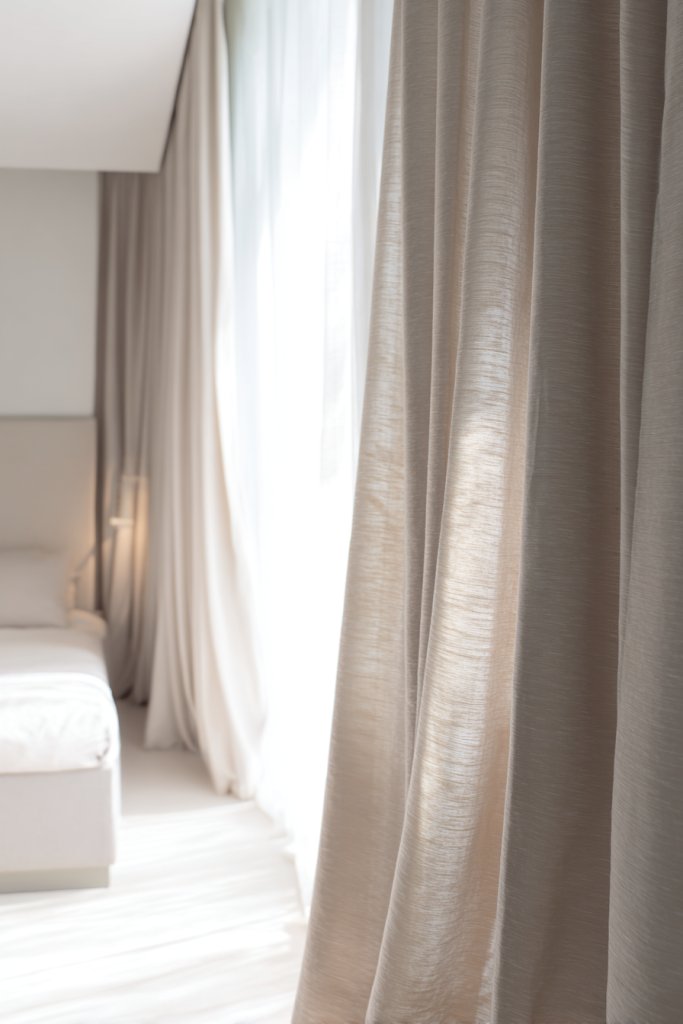
Rooms without proper boundaries can feel open but also a bit unfinished or stark. Floor-to-ceiling curtains create a soft boundary that adds privacy and coziness while maintaining an airy feel. They’re perfect for framing windows or dividing spaces subtly. If you want a gentle, elegant way to define areas without cluttering your room, this is it. Plus, they add a dash of softness to any decor.
Imagine flowing, lightweight fabrics in neutral shades cascading from ceiling to floor, gently swaying with the breeze. The fabric filters natural light, creating a warm, diffused glow that softens the entire space. Textured or matte finishes prevent glare, while subtle pleats add visual interest. These curtains frame your windows beautifully, adding height and a sense of enclosure without heaviness.
Choose sheer fabrics for a light, airy effect, or heavier linen or velvet for more privacy and warmth. Use neutral tones like ivory, beige, or soft grey for a calm look, or go bold with darker hues for drama. For a minimalist vibe, keep the curtains unadorned; for a more layered aesthetic, add subtle tiebacks or decorative rods. Seasonal adjustments can involve swapping fabrics or colors.
Measure your windows carefully to ensure proper length and fullness. Install ceiling-mounted rods or tracks that conceal hardware for a clean look. Use sturdy anchors and brackets to support the weight of heavy fabrics, and ensure curtains hang straight without puckering. Consider blackout linings for rooms needing more privacy or sleep-friendly environments. Regularly clean and maintain to keep them looking pristine.
Personalize with subtle decorative details—like fabric trims or subtle embroidery. Play with layering curtains of different textures or colors for depth. Use tiebacks or sleek rods that match your room’s hardware for a cohesive look. Incorporate subtle patterns or textures in the fabric for visual interest without overwhelming the space. Keep the overall look simple and elegant.
Floor-to-ceiling curtains are a low-cost, high-impact way to elevate your decor. They teach you that soft, flowing elements can create structure and intimacy. Once you add them, your space instantly feels warmer and more inviting. They also offer practical benefits, like controlling light and privacy. Ready to drape your way to a more beautiful home?
10. Create Open Floor Plans for Airy Space
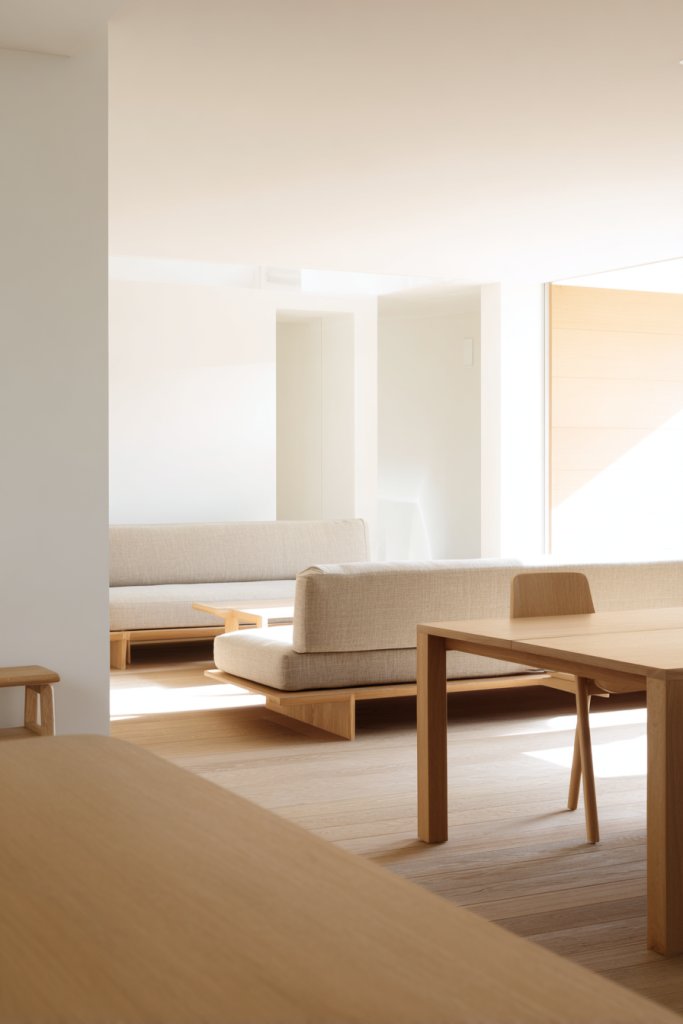
Cluttered, partitioned rooms can make even spacious homes feel cramped. An open floor plan promotes flow and freedom of movement, creating an airy, welcoming environment. It’s ideal if you crave a sense of expansiveness and social connectivity. Plus, it simplifies decorating—less walls mean fewer constraints. Who doesn’t want a home that feels larger and more inviting?
Imagine a living area seamlessly flowing into a dining space, with minimal walls or barriers. The furniture is arranged to encourage circulation, with clear pathways and open sightlines. Light-colored flooring and walls enhance the feeling of space, while furniture with streamlined profiles avoids visual clutter. The overall effect is a spacious, uncluttered environment that feels both functional and relaxing.
Use rugs or different flooring materials to define zones without walls. Keep furniture low-profile and arranged to maximize openness. In small homes, consider removing non-structural walls or using glass partitions to maintain separation while preserving the open feel. Seasonal changes might involve swapping in lighter curtains or adding movable screens for privacy. The key is flexibility and flow.
Start by removing unnecessary walls or barriers, consulting professionals if needed. Plan your layout to ensure furniture placement promotes openness and easy navigation. Use light, neutral colors for walls and flooring to enhance brightness. Incorporate multipurpose furniture—like extendable tables or modular seating—adaptable for different needs. Keep clutter out of sight with hidden storage options. Ensure structural stability if removing walls.
Layer in personal touches through textiles, decorative objects, or color accents that define zones subtly. Use lighting to highlight different areas—recessed spots or track lighting work well. Add architectural features like beams or columns for visual interest if desired. Maintain a cohesive style throughout to unify the space, but don’t be afraid to mix textures and materials.
Open floor plans foster a sense of freedom and social interaction, making your home more inviting. They teach the value of flexible, multifunctional spaces that adapt to your lifestyle. Once you experience the spaciousness, you’ll wonder why you ever confined yourself. It’s a bold, modern choice that pays off in comfort and style. Ready to open up your space?
11. Incorporate Natural Materials Like Wood and Stone
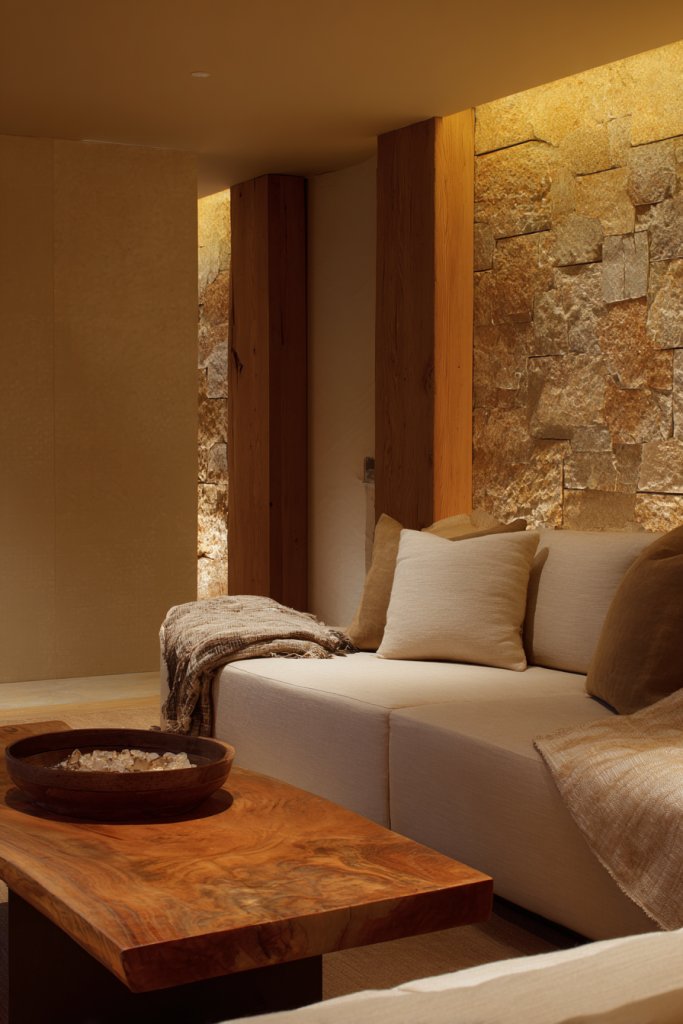
Artificial finishes can make a space feel cold and disconnected. Incorporating natural materials like wood and stone instantly grounds your home, creating a warm, inviting atmosphere. These elements add texture and depth, making your decor feel rich yet minimal. If you crave a space that breathes tranquility, natural materials are your best bet. They connect you to nature without leaving home.
Picture a living room with a reclaimed wood coffee table, a stone accent wall, or wooden beams overhead. The natural grain and irregularities add character, making each piece unique. Textured stone or concrete surfaces contrast beautifully with soft textiles, creating a balanced tactile experience. The warm tones of wood and cool greys of stone evoke calm and stability, transforming your space into a retreat.
Mix raw, unfinished wood with smooth, polished stones for visual interest. Use lighter woods like oak or ash for a Scandinavian feel; darker woods like walnut evoke richness. In kitchens and bathrooms, incorporate stone countertops or tiles for durability and style. Seasonal accents might include woven baskets or clay pottery. Keep the overall palette neutral to preserve the minimalist vibe.
Source sustainably harvested or reclaimed wood to add authenticity and eco-consciousness. Use natural stone or concrete tiles for floors or feature walls. Choose finishes that highlight the material’s natural beauty—matte or satin rather than glossy. Combine with textiles and decor in neutral shades to avoid visual overload. Maintain the natural look by avoiding overly processed finishes or synthetic coatings.
Add handcrafted wood or stone accents—such as carved sculptures or bespoke furniture—to personalize your space. Incorporate textured textiles like wool throws or linen cushions to complement the natural elements. Use subtle finishes like oil or wax on wood to enhance grain patterns. Mix in ceramic or clay decor objects for additional tactile interest. Keep clutter minimal to let the natural materials shine.
Natural materials remind us of the beauty of simplicity and imperfection. They help you create a space that feels authentic, warm, and calming. Once you see how these elements transform your home, you’ll appreciate the craftsmanship and natural aesthetic. It’s a timeless choice that ages gracefully and gains character over time. Ready to bring nature inside?
12. Use Symmetry to Achieve Visual Balance
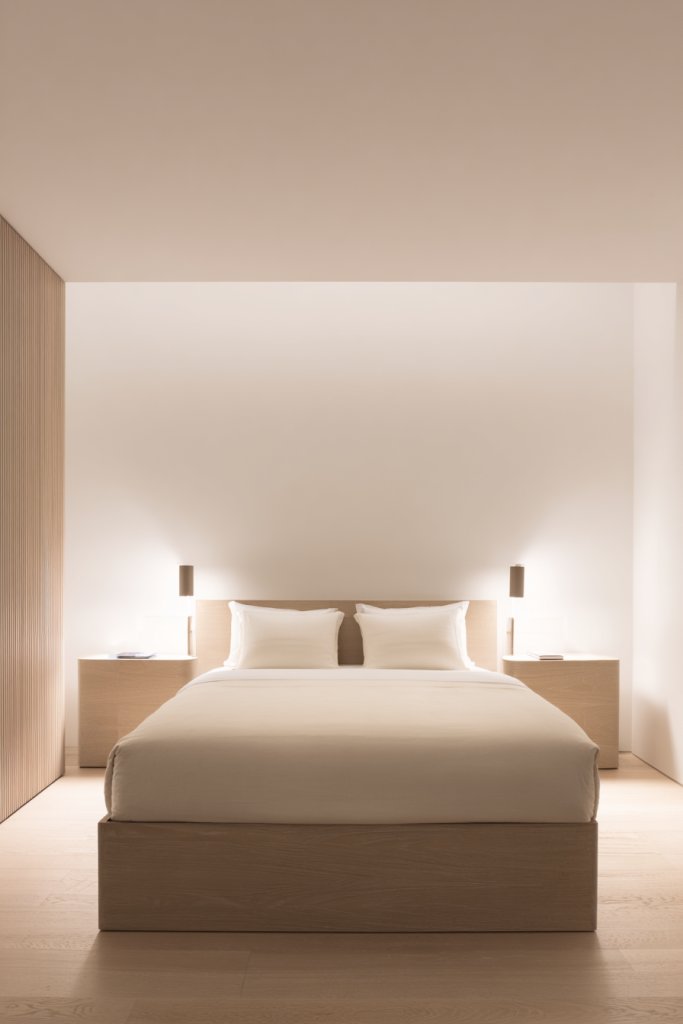
A room that feels off-balance can make you feel uneasy without even realizing it. Symmetry provides a natural sense of order, making your space feel harmonious and peaceful. It’s a classic approach that instantly elevates your decor. If you want your room to look polished and thoughtfully designed, symmetry is your secret weapon. It’s about creating calm through balance.
Imagine matching nightstands on either side of your bed, each topped with a similar lamp or decor item. Or picture a symmetrical arrangement of art or shelving units on a wall, mirroring each other perfectly. This creates a visual rhythm that guides the eye smoothly around the space. The overall effect is organized, balanced, and pleasing to the senses.
Apply symmetry in furniture placement, decor, or architectural details—like window treatments or moldings. For small spaces, mirror a single element on each side to create balance without overwhelming. In larger rooms, you can repeat patterns or shapes for a cohesive look. Use this principle to anchor focal points or define zones within an open plan.
Start by identifying key elements to mirror—like lamps, artwork, or furniture. Arrange items in pairs or evenly spaced groups to maintain balance. Use measuring tools and levels to ensure symmetry. Keep color and texture consistent on both sides for cohesion. Regularly step back and assess to ensure balance feels natural, not forced. Adjust as needed for a harmonious flow.
Introduce subtle asymmetries for a relaxed vibe once balance is achieved—like different but complementary decor items. Use symmetry to highlight a focal area, such as a fireplace or bed. Incorporate decorative textiles or accessories that echo each other’s shapes or colors. Keep the overall aesthetic clean and uncluttered to let the symmetry shine.
Symmetry provides a foolproof way to create a calm, orderly environment. It teaches that intentional design elevates everyday living. Once you master balancing elements, decorating becomes easier and more satisfying. Your space will look professionally styled without much effort. Ready to bring harmony into your home?
13. Keep Surfaces Clear with Essential-Only Decor
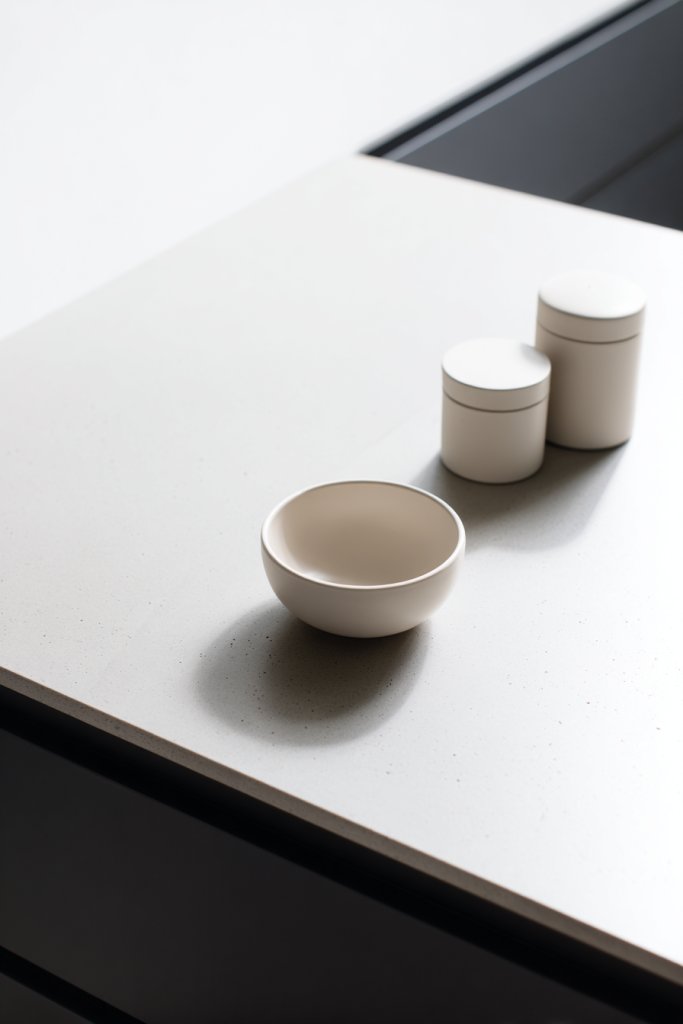
Countertops and tables cluttered with unnecessary items can instantly make a space feel chaotic. Keeping surfaces clear promotes calm and makes your home look instantly more organized. It’s a simple principle that transforms any room into a serene retreat. If you crave a tidy, minimalist vibe, this is your go-to strategy. Less clutter, more tranquility.
Picture a sleek kitchen countertop with just a few essentials—a minimalist bowl, a cutting board, and a decorative jar. Or a side table with a single sculptural object and a cozy throw draped nearby. The key is to only display what you truly love or use regularly, creating visual breathing room. The empty space acts as a frame that highlights your chosen decor.
Use storage bins or trays to organize daily essentials out of sight but within reach. Limit decorative objects in bedrooms or living rooms to a handful of meaningful items. Rotate accessories seasonally or for special occasions to keep the look fresh. Prioritize quality over quantity—better to have a few striking pieces than many cluttered ones.
Start by decluttering your surfaces, removing non-essential items. Use attractive storage containers or baskets to keep items out of direct sight. Establish a routine to regularly tidy surfaces—doing it daily prevents buildup. Invest in multi-purpose furniture that includes hidden compartments. Keep only items that add value or joy, and remove everything else.
Select a few statement objects—like a sleek clock or a minimalist sculpture—to serve as focal points. Use attractive containers for everyday items like keys or remote controls. Incorporate textured textiles on the furniture or add a small centerpiece that’s functional yet stylish. Regularly reassess your surfaces to maintain the clutter-free look.
Minimal surfaces teach discipline in decorating and living. They show that quality and intention matter more than quantity. Once you get into the habit, maintaining a clutter-free space becomes second nature. Your home will look more polished and inviting, boosting your confidence in your style. Ready to clear the chaos?
14. Add a Simple, Uncluttered Workspace
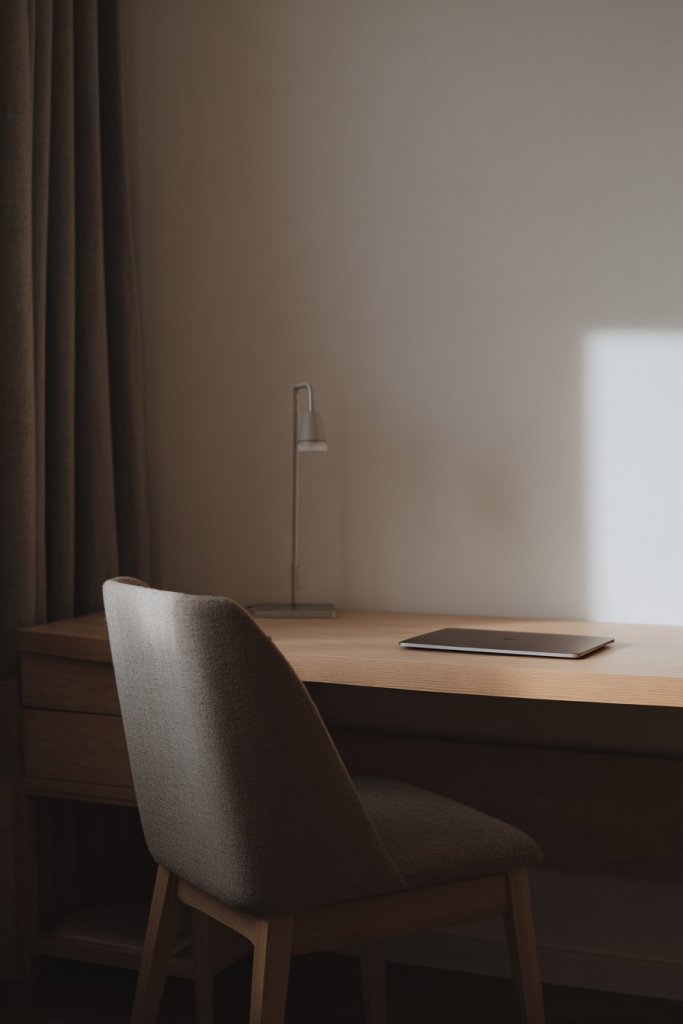
A cluttered workstation can kill productivity and increase stress. An uncluttered workspace promotes focus, creativity, and a sense of calm. When your environment is free of distractions, it’s easier to get into the flow. If you want a space that inspires work and relaxation simultaneously, this is your answer. Less mess, more success.
Imagine a sleek desk with a smooth surface, minimal accessories, and a single task lamp. The space is open and free of unnecessary items, with only a few essential tools visible. Neutral tones and clean lines make the area feel calm and organized. The absence of clutter helps your mind focus solely on your tasks, turning work into a more enjoyable process.
Use hidden storage or drawers to keep supplies out of sight. Choose a simple desk in neutral or natural finishes—think light wood or matte black. Incorporate ergonomic, streamlined chairs to complement the minimalist vibe. For seasonal changes, swap accessories or add a small plant or textured cushion for a cozy touch—though avoid overdoing it. Keep the space adaptable to your needs.
Start by decluttering your current workspace, removing anything unnecessary. Invest in a clean-lined desk with storage options, or add organizers inside drawers. Use cable management tools to hide wires and keep surfaces tidy. Choose a comfortable chair that supports long hours without cluttering the look. Regularly tidy and reassess your setup to keep it functional and minimal.
Personalize with a sleek clock, a simple framed photo, or a textured mouse pad. Incorporate a few functional accessories—like a minimalist pen holder or a textured desk mat—to add tactile interest. Use soft lighting or a small, sculptural lamp to enhance ambiance. Maintain a ‘less is more’ attitude to keep your mind clear and your space inspiring.
A tidy workspace boosts confidence and productivity, making work feel less like a chore. It shows that thoughtful design supports your goals. Once you see how a clean desk improves your focus, you’ll want to keep it that way. It’s a small change with a big impact on your daily routine. Ready to work smarter, not harder?
15. Implement Soft, Non-Intrusive Color Accents
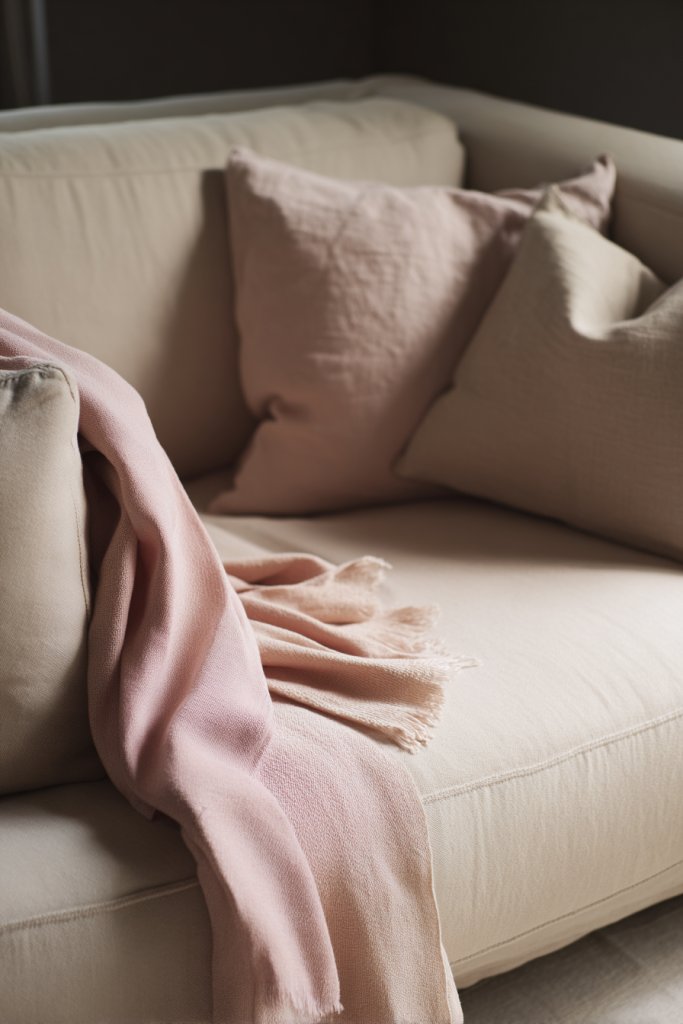
A room in all neutral tones can sometimes feel a bit flat. Adding soft, non-intrusive color accents breathes life into your space without overwhelming it. These subtle hints create visual interest and personality while maintaining the calm aesthetic. If you want your decor to feel lively yet serene, this is your perfect compromise. Small touches, big impact.
Imagine a neutral sofa adorned with pastel cushions or a light-colored throw in blush or mint. A muted pink vase or a soft blue rug can add just enough color without clashing. These accents are gentle enough to blend seamlessly into your overall palette, creating a layered, harmonious look. They make the room feel curated and thoughtfully styled, not busy.
Use pastel or muted tones in textiles, artwork, or accessories—think a soft cream candle or a pale lavender vase. Seasonal updates can include swapping pillow covers or throws for warmer or cooler shades. Keep the color palette limited to two or three complementary hues for cohesion. For a bolder look, add a pop of color through a single statement piece, like a cushion or small decor object.
Select textiles or decorative objects in soft, muted shades that complement your main color scheme. Incorporate these accents gradually—start with cushions, then add small accessories. Use color strategically in areas you want to highlight or soften. Mix textures like velvet, linen, or silk to add depth. Avoid bright, saturated hues that can overpower the calm foundation.
Personalize with subtle color combinations that reflect your personality—blush and grey, mint and taupe, or blush and cream. Use color in a variety of textures for a layered look, like plush cushions and silky curtains. Incorporate metallic or matte finishes for a sophisticated touch. Keep the overall design minimal, letting small color accents do the magic.
Soft, understated color accents help your space feel lively without losing its calming vibe. They teach you that restraint and subtlety can be powerful design tools. Once you master this, decorating becomes more playful and personalized. Your home will look cohesive, stylish, and uniquely yours. Ready to add a gentle splash of color?
16. Hang Minimalist Wall Art or Prints in Neutral Frames
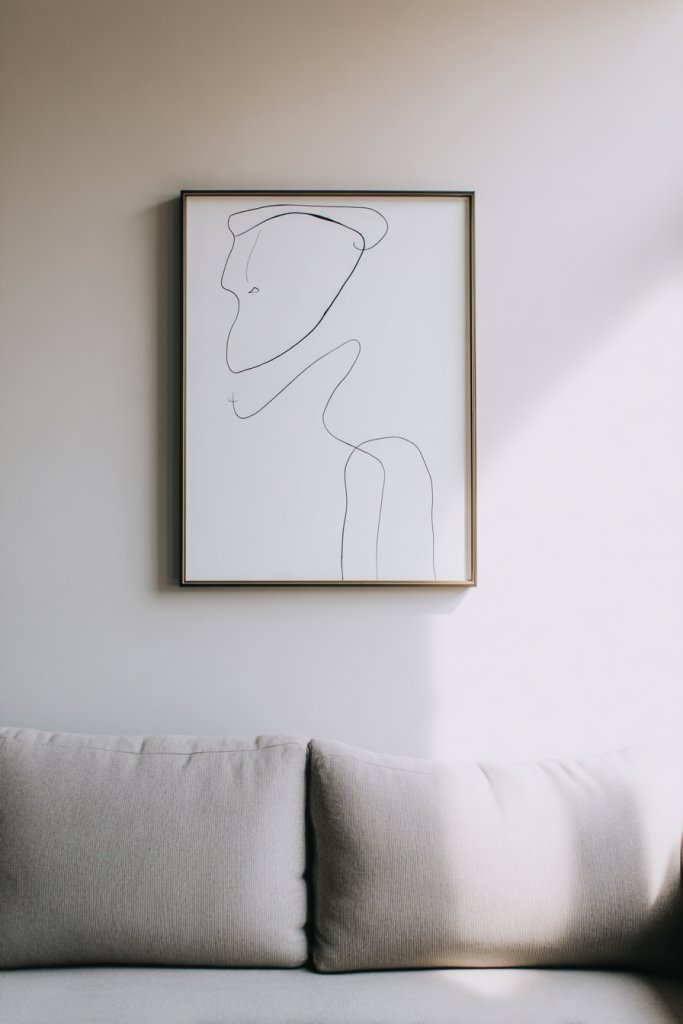
Blank walls can make a room feel unfinished or empty. Minimalist wall art or prints in neutral frames add visual interest without clutter. They serve as subtle focal points that elevate your decor. If you love art but hate visual chaos, this approach is perfect. Less is more when it comes to creating a calm, stylish environment.
Picture a large, abstract print in shades of grey and beige, framed in a simple, slim-line neutral frame. It hangs above a sleek sofa or bed, acting as a quiet statement piece. The art’s simplicity complements the room’s overall aesthetic, adding depth without distraction. The neutral tones blend seamlessly into the background, enhancing the room’s cohesiveness.
Choose simple, abstract, or geometric artwork that aligns with your style—scandinavian, modern, or boho. Opt for frames in neutral colors like black, white, or natural wood for a minimalist look. Change art seasonally or for special occasions, swapping out prints or rotating frames. Keep wall spacing consistent and balanced for a polished presentation.
Select artwork that fits your space and mood—large pieces for a focal point or smaller prints arranged in a grid. Use hanging hardware that minimizes visual clutter, such as slim wire or concealed hooks. Keep the framing simple—think matte black or natural wood—to avoid distraction. Maintain symmetry and height for visual balance. Regularly dust and keep the glass clean for clarity.
Customize your art choices with prints that reflect your personality—abstract, minimalist photography, or subtle illustrations. Incorporate a mix of sizes and orientations for visual interest. Use matching or contrasting frames for a curated look. Layer with textured textiles or lighting to highlight the art without overwhelming the space.
Minimalist art in neutral frames is a versatile, timeless decor strategy. It shows confidence in restraint and taste. Once you see how simple art elevates your walls, you’ll trust your eye more. Your space will look curated and sophisticated, inspiring you to keep refining your decor. Ready to hang your new favorite pieces?
17. Use Low-Profile, Streamlined Seating Options
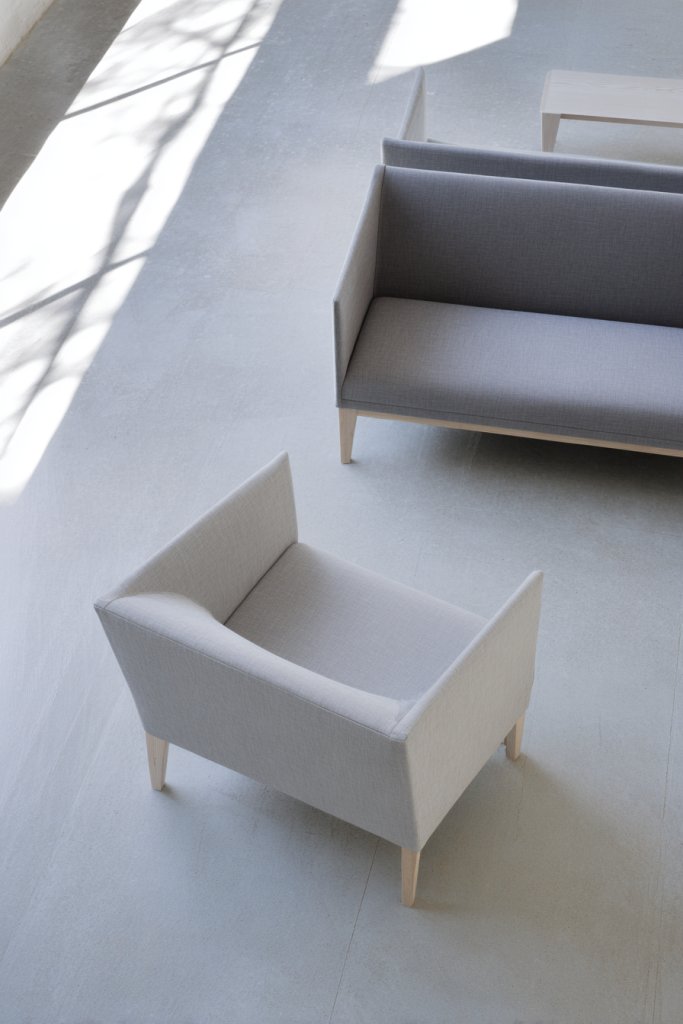
Bulky, overstuffed furniture can make a room feel cramped and cluttered. Low-profile, streamlined seating options create an open, airy environment that feels effortless. They maximize space and promote a sense of calm. If you prefer a minimalist, modern look, this style is essential. Sleek seats make your room feel bigger and more inviting.
Imagine a slim-profile sofa with thin legs and a simple, unadorned upholstery in neutral tones. Or picture a set of minimalist armless chairs with clean lines, placed under a low table. The furniture’s understated shape keeps the focus on the room’s space and light. The visual weight is light, and the overall feel is calm and uncluttered.
Choose furniture with slim arms and legs in materials like metal or light wood. Opt for upholstered pieces with sleek, simple designs—no tufting or ornate details. For small spaces, use multi-functional seating like fold-away chairs or benches. Large rooms benefit from a low-profile sectional or modular seating that can be rearranged. Mix and match textures for added subtle interest.
Start with measuring your space to select appropriately scaled furniture. Focus on smooth, clean lines and neutral colors to maintain minimalism. Use lightweight materials to ease rearrangement and cleaning. Keep the area around seating uncluttered, and avoid bulky tables or accessories nearby. Regularly vacuum or spot-clean upholstery to keep it looking fresh. Balance with other decor elements for a cohesive look.
Add textured cushions or throws in complementary colors for comfort, but keep overall simplicity. Incorporate sculptural or geometric accent pieces that echo the furniture’s clean lines. Use custom upholstery or subtle patterns to reflect your personality subtly. Keep accessories minimal, focusing instead on the quality and silhouette of your seating.
Low-profile furniture teaches restraint and appreciation for form. It proves that less bulky pieces can be both stylish and functional. Once you experience how spacious and calm your room feels, you’ll be motivated to stick to this aesthetic. Your home will look modern, fresh, and thoughtfully curated. Ready to sit comfortably in style?
18. Incorporate Gentle Textures with Rugs or Throws
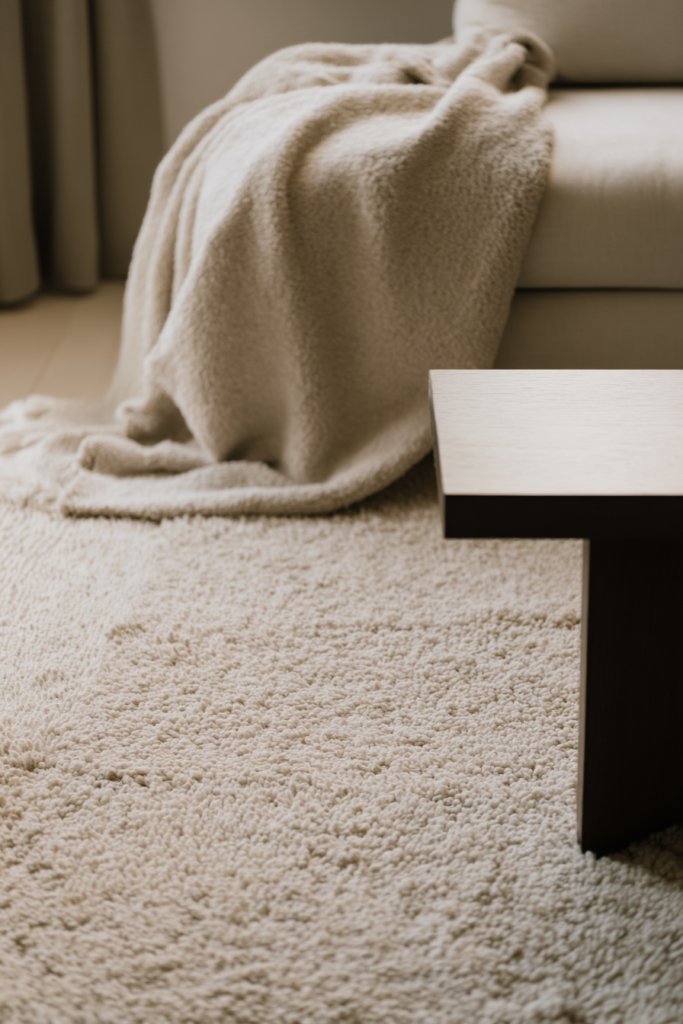
Flat, smooth surfaces can make a room feel dull and uninspired. Adding gentle textures with rugs or throws introduces warmth and softness, instantly elevating the space. They soften hard floors and sharp furniture lines, creating a cozy, inviting atmosphere. If you want to make your home feel more layered and tactile, this is your go-to trick. Comfort and style in one.
Imagine a low-pile, neutral-toned rug with a subtle geometric pattern under a simple coffee table. Or envision a soft, chunky knit throw draped over a sleek armchair. These textures add visual depth and invite touch, making the space feel layered and comfortable. The tactile contrast enriches your decor without cluttering it, creating a cozy retreat.
Choose rugs in natural fibers like wool, jute, or cotton for durability and aesthetic appeal. Layer rugs of different textures or sizes for added interest, especially in open-plan spaces. Use throws in soft, muted shades to complement the overall palette, switching seasonally for variety. Keep the patterns simple—stripes, solids, or subtle geometrics—for a minimalist look.
Select rugs that fit your space and style—aim for neutral tones to maintain calm. Position rugs to define zones or ground seating areas, ensuring they are large enough to be under furniture legs. Layer throws on sofas or beds for tactile and visual interest. Regularly vacuum and rotate rugs to prevent wear and keep them looking fresh. Use quality materials to ensure longevity.
Add textured cushions or pillow covers matching your throw or rug for a cohesive look. Incorporate handcrafted or vintage textiles for a personal touch. Use different textures and shades to create subtle contrasts that add depth. Keep clutter minimal around these elements to preserve the calm, layered aesthetic. Personal touches make your space uniquely yours.
Textured rugs and throws remind us that comfort and style go hand in hand. They teach that small details can make a space feel warm and curated. Once you see how textures transform your environment, you’ll want to keep experimenting. Your space will feel more inviting, cozy, and thoughtfully designed. Ready to add tactile luxury?
19. Maximize Natural Light with Unobstructed Windows
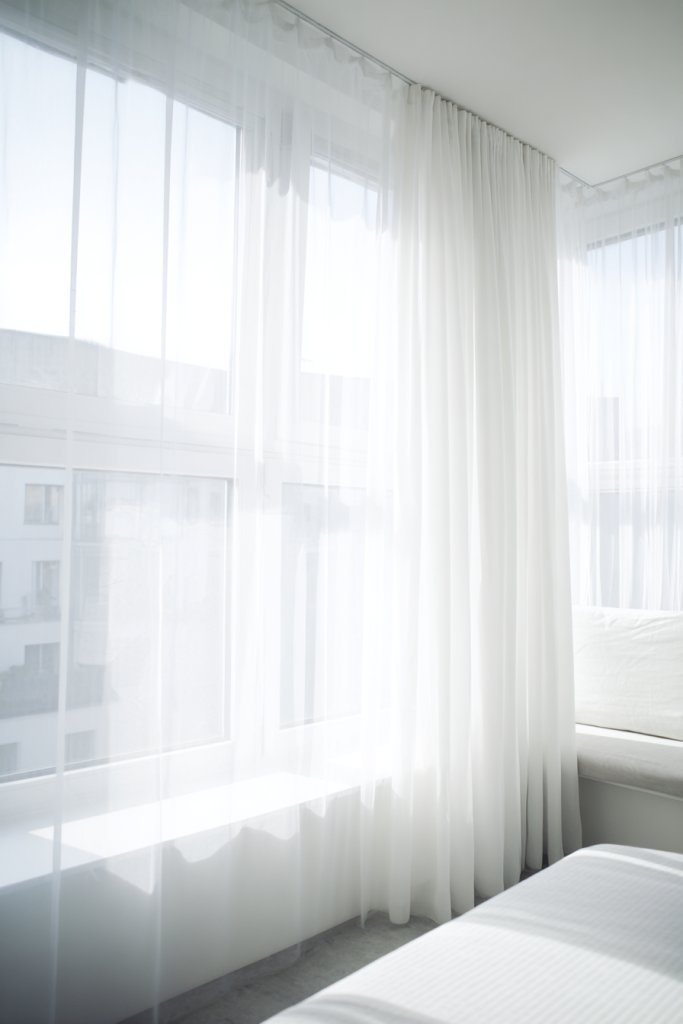
Dark, cluttered spaces can feel cramped and unwelcoming. Maximizing natural light transforms your home into a bright, uplifting sanctuary. It reduces the need for artificial lighting during the day and makes everything look more vibrant. If you crave a fresh, open atmosphere, this simple change can dramatically improve your space. Let the sunshine do the heavy lifting.
Imagine large, unobstructed windows with sheer, flowing curtains that diffuse daylight softly. The room is flooded with natural light, highlighting textures and colors in a gentle glow. Light-reflecting surfaces like mirrors or glossy finishes amplify the brightness. The overall effect is a feeling of spaciousness and vitality, making your home happier and more inviting.
Use sheer or light-colored curtains to maximize light while maintaining privacy. Keep window areas clear of heavy furniture or clutter, allowing full access and unobstructed views. For rooms that need more privacy, consider layered window treatments—blinds combined with sheer curtains. Seasonal adjustments might involve changing curtain fabrics or adding decorative film overlays.
Start by assessing your windows and removing any unnecessary obstructions—furniture or decor that block light. Choose light, airy curtains or blinds that can be fully opened. Regularly clean windows to ensure maximum clarity and brightness. Use mirrors strategically to reflect light into darker corners. Keep window sills clear of clutter for a clean, open look.
Personalize with decorative curtain rods or tiebacks that match your overall decor. Incorporate reflective surfaces like a mirror to expand the space visually. Use plants or decorative objects away from windows to avoid shadows or obstructions. Experiment with different curtain lengths and textures seasonally to keep things fresh.
Maximizing natural light teaches the value of simplicity and openness. It makes your space feel more alive and welcoming. Once you experience the difference, you’ll want to keep your windows unobstructed to enjoy the benefits. Bright, airy spaces boost your mood and productivity, making your home healthier and happier. Ready to let the sunshine in?
20. Introduce Minimalist Decorative Objects
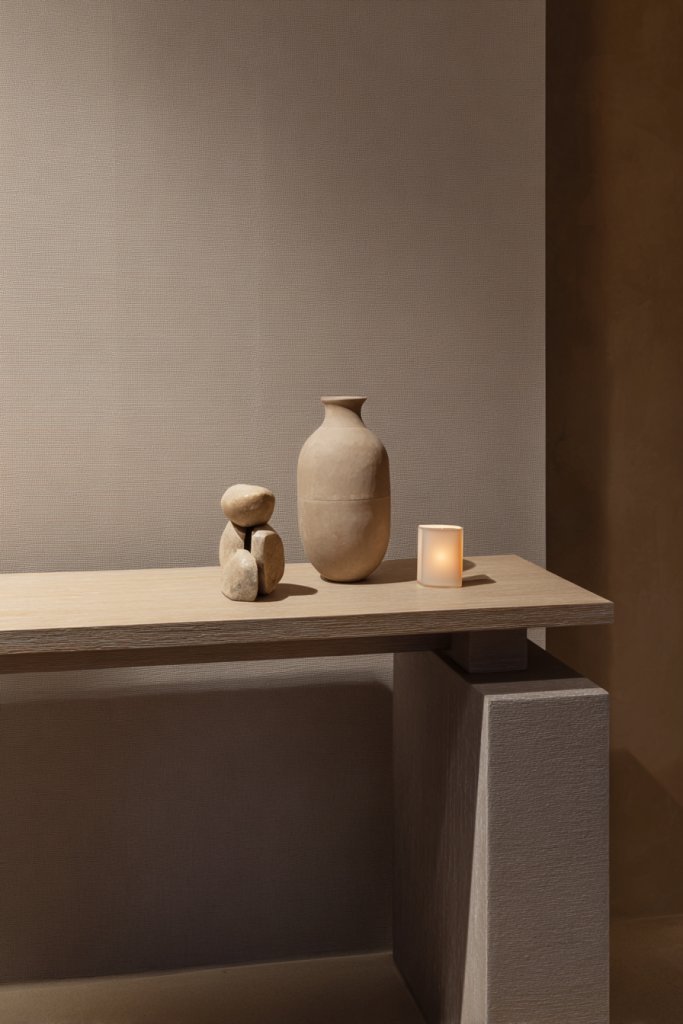
Overloading a room with decorative items can quickly turn minimalism into clutter. Curating a few well-chosen objects can add personality without overwhelming the space. They serve as subtle accents that reflect your style and taste. If you want your decor to be intentional and sophisticated, this approach is key. Less clutter, more impact.
Imagine a sleek ceramic dish on a side table, or a simple, modern clock on the wall. These objects add visual interest and personality while keeping the overall look clean and uncluttered. Focus on quality over quantity—select pieces with clean lines, subtle textures, or understated finishes. They act as accents that support your room’s calm aesthetic.
Choose a few signature items—like a sculptural bowl, a modern vase, or a unique clock in neutral tones. Change or rotate decor seasonally to keep the look fresh. Keep surfaces mostly clear, with only one or two objects per space. Incorporate functional items that double as decor, such as a sleek tray or a minimalist sculpture.
Start by decluttering surfaces and selecting a few statement pieces that resonate with your style. Place objects at different heights or on risers to create visual interest. Maintain balance by spacing items evenly and avoiding crowding. Use materials like ceramic, metal, or matte finishes to keep the look cohesive. Regularly assess and swap out decor to keep your space feeling intentional.
Add personal meaning with handcrafted or vintage objects that tell a story. Use textures and finishes that complement your overall decor—matte, glazed, or textured surfaces create subtle interest. Incorporate a few decorative textiles like a woven placemat or a textured cushion to add tactile contrast. Keep the overall look minimal but meaningful.
Minimalist decor objects demonstrate that less truly is more. They help you focus on quality and intention, not quantity. Once you see how carefully curated objects elevate your space, decorating becomes less about filling space and more about highlighting your personality. Your home will look refined, stylish, and thoughtfully designed. Ready to curate your favorites?
21. Declutter Regularly for a Consistently Calm Space
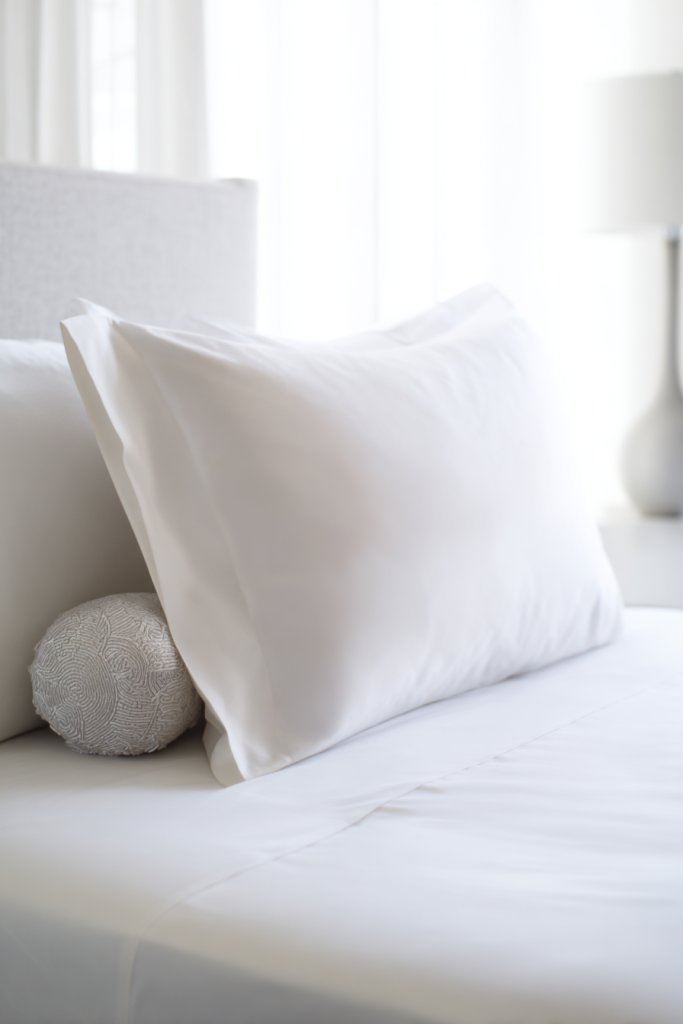
Clutter can sneak in quickly and turn a peaceful environment into chaos. Regular decluttering keeps your space feeling calm, clean, and inviting. It prevents accumulation of unnecessary items that distract or stress you out. If you want to maintain a serene sanctuary, consistent tidying is essential. It’s about creating sustainable habits that support your lifestyle.
Picture a tidy living room with neatly folded throws on a sofa, organized shelves, and clear surfaces. Everything has a designated place, and surfaces are free of excess. This visual simplicity promotes a sense of order and peace. The room’s spaciousness invites relaxation and mindfulness, making your home a true retreat from everyday chaos.
Set weekly or daily routines to tidy and organize. Use storage solutions like baskets or trays to keep items orderly. Regularly assess your belongings—donate or discard items you no longer need. Seasonal decluttering helps you refresh your space and prevent buildup. Incorporate habits such as putting things away immediately after use to maintain cleanliness.
Create a decluttering schedule that fits your routine—daily, weekly, or monthly. Tackle one area at a time for manageable progress. Use storage bins or containers to organize items by category. Be honest about what you need and love; let go of duplicates or items that no longer serve you. Regularly reassess your space to prevent clutter from reaccumulating.
Make decluttering enjoyable by playing music or rewarding yourself after sessions. Keep a donation box handy for items you plan to give away. Incorporate simple organizational tools like labels or clear containers for easy maintenance. Celebrate your progress to motivate ongoing habits—your space will thank you.
Consistent decluttering reinforces mindful living and appreciation for your space. It shows that maintaining calm is an ongoing process, not a one-time fix. Once you get into the habit, your home will always feel balanced and peaceful. It’s a small effort that yields big rewards—more clarity, less stress. Ready to keep your space zen?
Conclusion
Exploring these minimalist room ideas showcases how simplicity can lead to stunning, calming spaces. By trying out these concepts, you’ll find your home becoming more organized, peaceful, and inspiring. Take the leap today and craft a space that not only looks beautiful but also nurtures your soul—your calm, minimalist sanctuary awaits!
